Senate Passes 15-10 a Provisional Certificate So Families Without a Title Can Apply for Housing Aid
CoquiList · With information from Oficina de Servicios Legislativos (SUTRA)
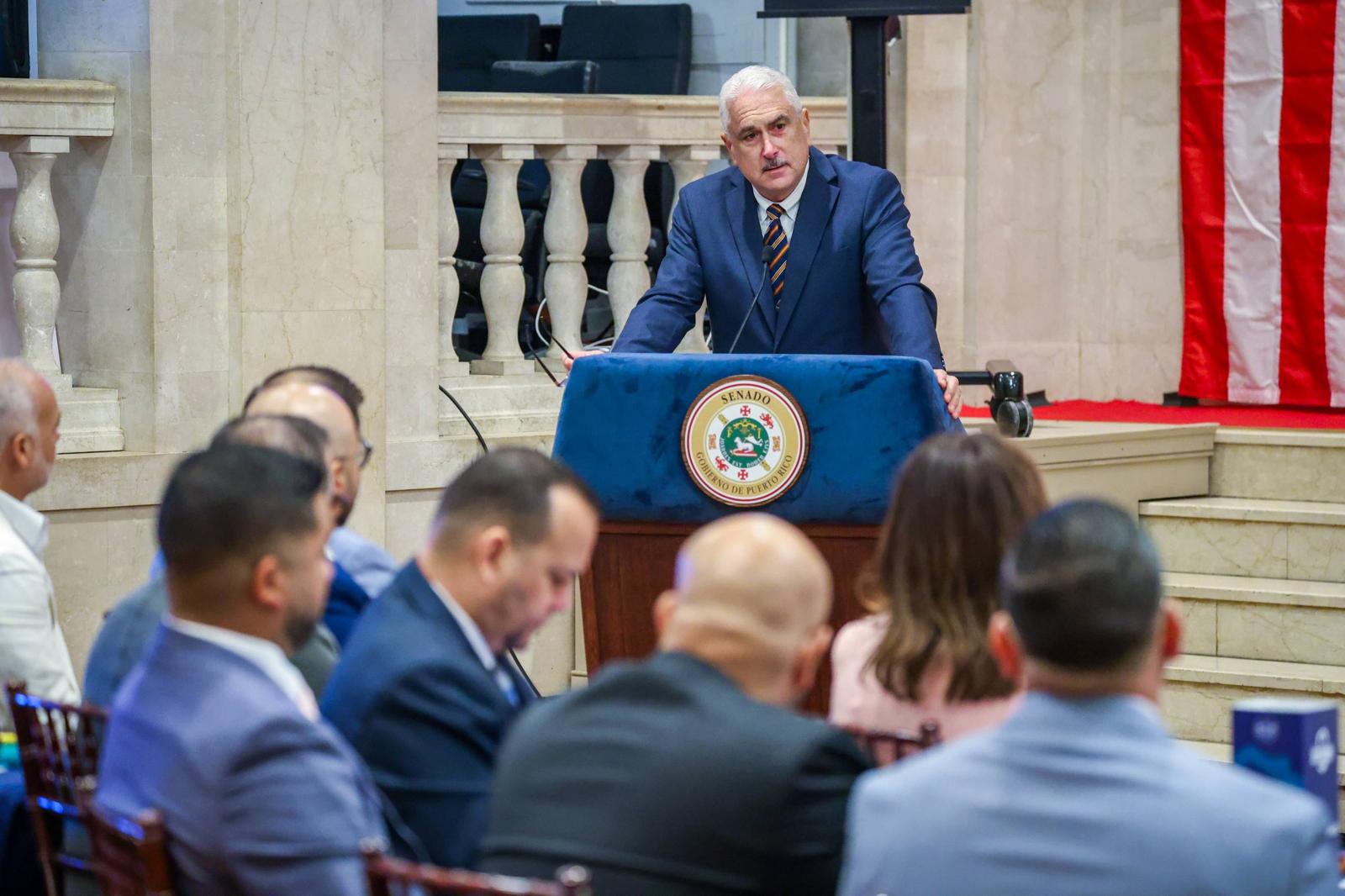
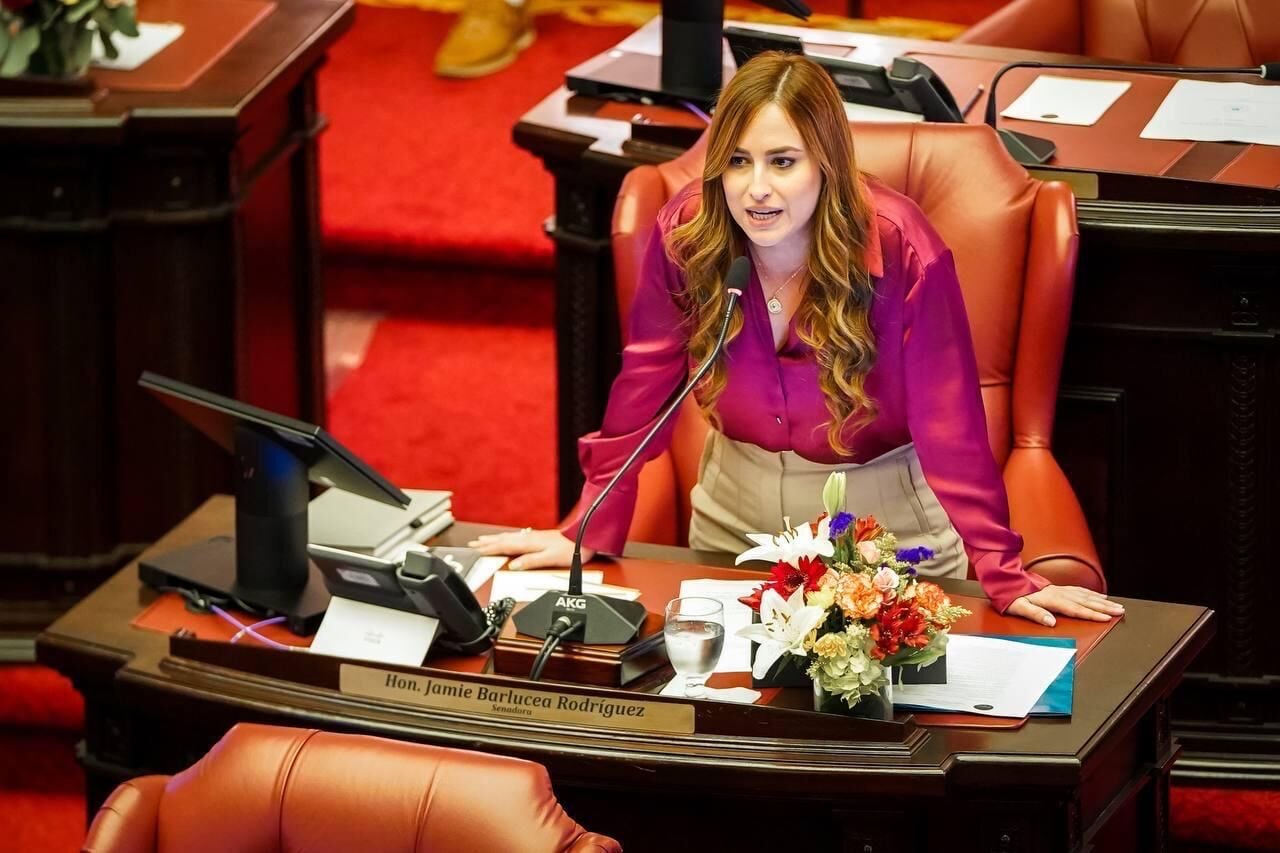
Thousands of Puerto Rican families live in homes they inherited or built on family land without ever recording a title in the Property Registry. That missing paperwork is often what keeps them out of aid to repair, mitigate or rebuild their homes after a disaster. On Wednesday, November 11, the Senate took a step toward addressing it: it passed Senate Bill 1348 by 15 votes in favor, 10 against and 3 abstentions 12.
The measure creates a free provisional certificate that could be used to show a reasonable hereditary, ownership, possessory or family interest in a home when applying for public assistance 23. On Thursday, November 12, the bill had its first reading in the House of Representatives and was referred to the House Committee on Legal Affairs, according to the official legislative record 1. It is not law yet.
Background
The bill was filed on June 29, 2026 and went on June 30 to the Senate Committee on Legal Affairs, which issued its report with amendments on the same day as the final vote, November 11 1. It amends Articles 1, 2, 20 and 22 of Law 118-2022 and adds a new Article 3-A 14. The author is Senator Roxanna Soto Aguilú 24.
The goal addresses a familiar problem on the island: many homes, especially in communities where houses pass from parents to children without notarial paperwork, lack a clean chain of title. Federal recovery programs require proof of ownership or some right to the property, and people who cannot supply it end up stuck in a bureaucratic limbo 2.
Key facts
- Senate vote: 15 in favor, 10 against, 3 abstentions, on November 11, 2026 12.
- Cost to the applicant: the certificate would be free 2.
- What it shows: a reasonable hereditary, ownership, possessory or family interest in the home 23.
- How to get it: people with no registered title or other traditional document could submit alternative documents and a sworn statement 2.
- What it would be for: limited access to public aid programs for housing, repair, mitigation, emergencies, resilience and recovery; the bill also orders regulations to be issued 1.
- Status: first reading in the House on November 12 and referred to the Committee on Legal Affairs 1.
The text also sets clear limits. The certificate is not a recordable title or a declaration of heirs. It does not allow anyone to sell, mortgage or transfer the home, and it does not remove other people's rights to the property. Whether each program accepts it will depend on that program's own rules and federal requirements, and it does not guarantee eligibility or payment 23.
What it means for you
If you live in an inherited house, or on a family lot without a recorded deed, this bill could open a door that is closed today. Instead of waiting years for a declaration of heirs or a title lawsuit, you could present a free provisional certificate along with your documents and a sworn statement.
But it is too early to count on it. The bill has not passed the House, has not been signed by the governor and has no regulations. Nobody can apply for the certificate today. Even once it exists, each program will decide whether to accept it and under what conditions, so it does not replace the work of regularizing your title when that is possible 23.
What it does not do also matters: it does not let you sell or mortgage the house. It is a tool for accessing aid, not a property title.
How to / Checklist
- Start gathering evidence of your link to the home now: water and power bills in your name or your parents' name, CRIM property tax records, death certificates of prior owners, photos and mail addressed to the property. These papers will help no matter what happens with the bill.
- Track P. del S. 1348 in the Legislative Services Office's SUTRA system: https://sutra.oslpr.org/medidas/161600 1.
- If you want to weigh in or ask for priority, contact your representative's office in the House or the Committee on Legal Affairs, which now holds the bill 1.
- If you already applied for R3 or another recovery program and were denied for lack of title, keep the denial letter; it will help you reapply if the measure becomes law.
- In the meantime, check your case status or current requirements with the Department of Housing (https://www.vivienda.pr.gov) or the government's recovery portal (https://recuperacion.pr.gov).
- Be wary of anyone charging you for a "certificate" before the law and its regulations exist. The bill says it would be free 2.
What's next
The House Committee on Legal Affairs will decide whether to hold public hearings, amend the text or send it straight to the floor 1. If the House approves it with changes, the Senate would have to concur or the bill would go to a conference committee. Only then would it reach the governor, and agencies would still need to write the regulations that define which alternative documents are accepted 12.
The tight Senate vote, with 10 votes against and 3 abstentions, suggests the debate over its safeguards, in particular how to prevent fraudulent claims on someone else's property, is not over 2. That issue carries extra weight right now, as the Department of Justice investigates forged deeds on public land. CoquiList will keep following the bill in the House.
Sources
- Legislative Services Office, SUTRA, P. del S. 1348 (status and dates): https://sutra.oslpr.org/medidas/161600
- Ey Boricua, "Senado avala medidas para facilitar ayudas de vivienda tras desastres" (November 12, 2026): https://eyboricua.com/senado-ayudas-vivienda-desastres-ps1404-ps1348
- Amended text of P. del S. 1348 (SUTRA): https://sutra.oslpr.org/SutraFilesGen/161600/ps1348-ent.pdf
- Puerto Rico Senate, filed text of P. del S. 1348: https://senado.pr.gov/document_vault/medidas_legislativas/ps1348-26.pdf
Sources
CoquiList summary and local context. Read the linked sources for the original reporting.
Ask about this story
Ask anything about this article — in English or Spanish.
Log in to ask about this story.
Comments (0)
Log in to join the conversation.
No comments yet — be the first.