Regular gasoline slips under a dollar a liter as crude falls from $104 to $85, with DACO listing 97.7 cents
CoquiList · With information from Metro Puerto Rico
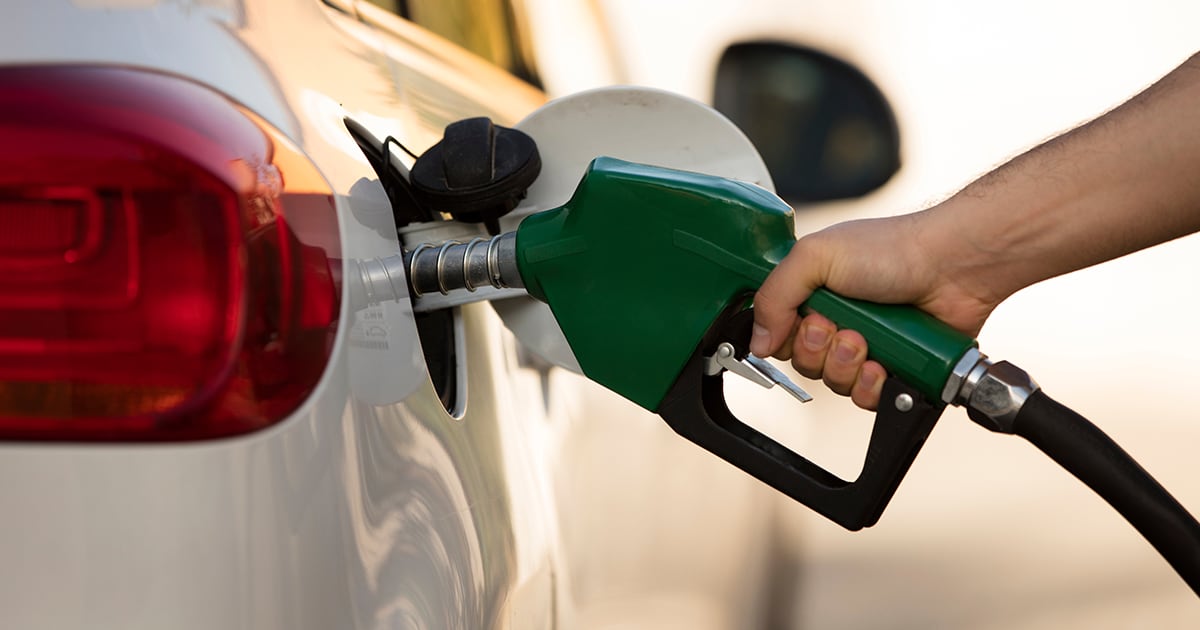
Gasoline is getting cheaper again in Puerto Rico. According to the prices DACO had in effect on Tuesday, November 17, a liter of regular gasoline sells for between 97.7 and 102.7 cents, which puts the cheapest stations under one dollar 1. Twelve days earlier, on Thursday, November 5, the range was 104.7 to 108.7 cents 2. A driver filling a 50-liter tank now pays between $48.85 and $51.35, instead of the $52.35 to $54.35 of that earlier update 12.
Why the price is falling
The trigger is outside the island. A barrel of crude went from about $104 on October 30 to about $85, a drop of roughly 17.8% in under three weeks, according to Luis Gueits, president of the Gasoline Retailers Association, in a radio interview on Wednesday, November 18 1. Gueits blamed a glut: as of November 13 there were more than 5.28 million barrels of crude in surplus, 5.12 million barrels of gasoline and an extra 351,000 barrels of diesel, because production outpaces demand, which has weakened 1. He added that markets have "gotten used to" the Middle East conflict between the United States and Iran, which had pushed prices up 1.
Federal data paint a more nuanced picture. The Energy Information Administration (EIA) reported that for the week ending November 6, U.S. commercial crude stocks rose 4.7 million barrels to 414.4 million, still 4% below the five-year average; gasoline inventories were about 1% above that average and distillates 8% below 3. In other words, gasoline has some slack, but there is no across-the-board abundance. Even so, the EIA projects global oil inventories will grow in the fourth quarter 4.
The numbers at the pump
DACO publishes a range for each category because every brand has different costs, partly because of its additive package 1. These are the per-liter prices as of November 17, alongside those of November 5:
- Regular: 97.7 to 102.7 cents (November 5: 104.7 to 108.7) 12.
- Premium: 111.7 to 120.7 cents (November 5: 118.7 to 128.7) 12.
- Diesel: 128.7 to 138.7 cents (November 5: 136.7 to 145.7) 12.
The cumulative drop in regular is 6 to 7 cents per liter versus November 5. Compared with Monday, November 2, when regular stood at 112.7 to 117.7 cents, the reduction reaches 15 cents per liter, about $7.50 less for every 50 liters 2. In gallons, using 3.785 liters per gallon, regular costs roughly $3.70 to $3.89 (CoquiList calculation from DACO figures).
Gueits also warned that the final price depends on how quickly each station restocks: a station that bought expensive fuel can take days to pass along the drop 1. The octane of premium (91, 92, 93 or 100) also affects price 1.
What it means for you
For a household with two cars using about 100 liters of regular a week, the 6 to 7 cent difference from November 5 works out to $6 to $7 less per week, and the comparison with November 2 raises the savings to about $15 a week (CoquiList calculation) 12. It does not fix the rise in the electric bill, but it helps just as the holiday shopping and travel season begins.
The range is wide: the gap between the cheapest and the priciest regular is 5 cents per liter, about $2.50 per 50-liter tank 1. Choosing where to fill up matters as much as the crude trend.
How to / Checklist
- Go to daco.pr.gov and check the list of gasoline and diesel prices by station before heading out; DACO updates it several times a week 1.
- Compare the price per liter, not per gallon, because DACO publishes in liters.
- If your station charges above the published maximum for your fuel type, report it to DACO. To file a complaint, write to [email protected] or visit daco.pr.gov.
- Use regular if your owner's manual does not require premium; the difference runs about 14 to 18 cents per liter between the published ranges 1.
- Avoid filling up right after a drop if your station has old inventory: wait a day or two for the new price to show up 1.
- Keep your receipt if you notice a difference between the price on the sign and what the pump charged.
What's next
The drop is not guaranteed. The EIA expects global inventories to grow in the fourth quarter, which points to downward pressure on prices, but analysts describe the market as volatile and tied to events in the Middle East 34. Gueits said the next few days will depend on station restocking 1. DACO will keep publishing its ranges, and consumers can compare on its portal.
Sources
- Metro Puerto Rico, "Excedente en la producción de petróleo provoca baja en el precio del combustible," November 18, 2026. https://www.metro.pr/noticias/2026/11/18/excedente-en-la-produccion-de-petroleo-provoca-baja-en-el-precio-del-combustible/
- Metro Puerto Rico, "Baja la gasolina tras el alza de principios de semana," November 6, 2026. https://www.metro.pr/noticias/2026/11/06/baja-la-gasolina-tras-el-alza-de-principios-de-semana/
- Oilandgas360, "Weekly Crude Oil Storage as of November 6, 2026" (EIA data), November 12, 2026. https://www.oilandgas360.com/crude-inventories-11-6-2/
- Morningstar / Dow Jones, "EIA Sees Global Oil Stock Builds in Fourth Quarter," November 10, 2026. https://www.morningstar.com/news/dow-jones/2026111012360/eia-sees-global-oil-stock-builds-in-fourth-quarter
CoquiList summary and local context. Read the linked sources for the original reporting.
Ask about this story
Ask anything about this article — in English or Spanish.
Log in to ask about this story.
Comments (0)
Log in to join the conversation.
No comments yet — be the first.