What the file DTOP gave ICE reveals: 6,126 provisional licenses in 68 municipalities, many expired
CoquiList · With information from NotiCentro (WAPA)
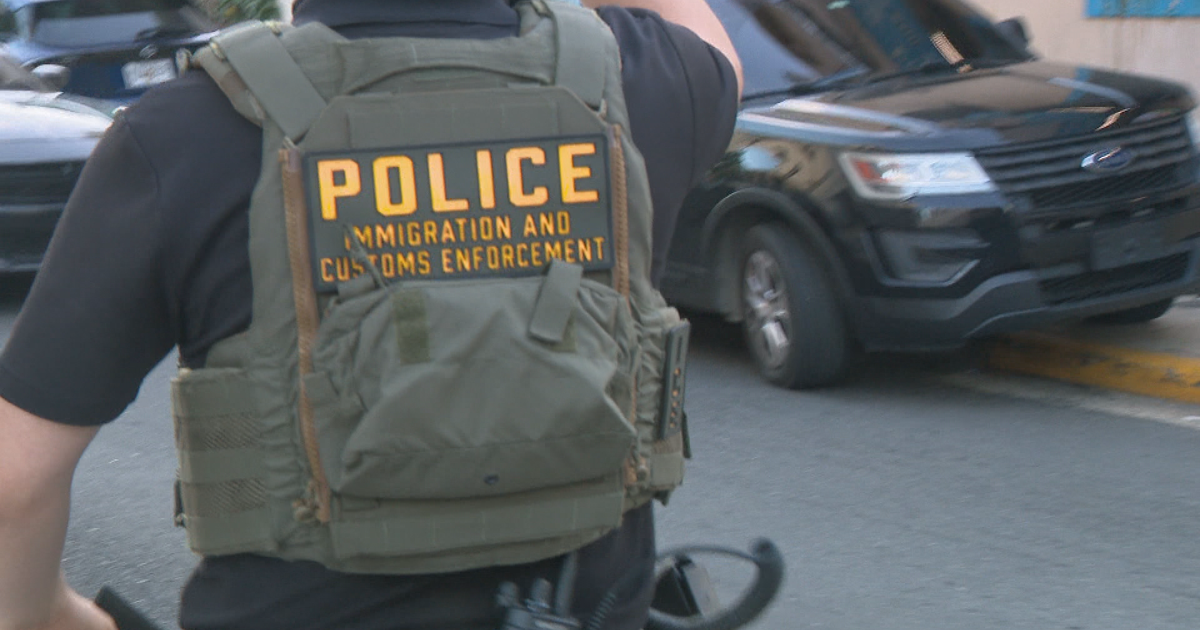
The file the Department of Transportation and Public Works (DTOP) handed to federal immigration authorities is no longer secret, and what it shows is broader than previously known. An analysis of the 73 pages that were released reveals records of 6,126 provisional driver's licenses, with addresses in 68 of Puerto Rico's 78 municipalities, and indicates the list included expired licenses and people who may have since regularized their status 12.
How we got here
Law 97 of 2013 lets immigrants without regularized status obtain a provisional driver's license, as long as they have lived in Puerto Rico for at least a year. The license lasts three years 2. The implicit bargain was simple: DTOP gave them a document to drive legally in exchange for their data, and that data was not supposed to be used for anything else.
That bargain shifted in January 2025. According to documents that surfaced in October, an administrative subpoena from the homeland security investigations arm, HSI, reached DTOP on January 26, 2025, with a February 7 deadline to respond. DTOP delivered the data on January 29, three days later 3. The ACLU of Puerto Rico argues there was no court order, that the subpoena was not processed lawfully, and that Secretary Edwin González Montalvo released the information voluntarily and without legal analysis 3. Governor Jenniffer González Colón has defended the handover, describing it as a federal mandate that agencies must comply with 4. DTOP, for its part, says its legal division reviewed the matter and that the data was pulled immediately 2.
The numbers in the file
The document, titled "EMI (Estado Migratorio Indefinido) 5 years," covers licenses issued between 2019 and 2025. DTOP gave it to the ACLU on October 14, 2026, with names, addresses, phone numbers and license numbers redacted, after the Puerto Rico Supreme Court ordered its release. The organization had sued on October 1, 2025, after DTOP refused its public records request 2.
What remains visible behind the redactions is the breakdown by municipality 2:
- San Juan: 4,420 records, about 7 in 10.
- Carolina: 459.
- Bayamón: 340.
- Canóvanas: 105.
- Caguas: 100.
- Toa Baja: 84.
- Guaynabo: 83.
- Trujillo Alto: 80.
Ten municipalities do not appear in the registry, among them Adjuntas, Arroyo, Jayuya, Lajas, Maricao and Patillas 2. Of the licenses, 1,742 were issued in 2024, the largest group 2. The last one included was issued on January 24, 2025, two days before ICE made the request, according to the analysis 2.
The most weighty finding is a different one: DTOP did not clean up its lists. Expired licenses, some dating to 2021, were mixed in with current ones, so people who were following the law, and who had even obtained legal status or other permits, may have been exposed 12. Figures vary by source: 6,321 people in the October reports and 6,126 licenses in the latest analysis 23. The difference has not been publicly explained.
What it means for you
If you or someone you know holds a provisional license, the risk is not abstract. The ACLU says it has sworn statements from people affected by interventions and detentions tied to this data, and it is weighing a damages action for violation of constitutional privacy 2. One recent case illustrates it: a Haitian man was stopped by Isabela police after a traffic infraction, identified as lacking regular status because he carried a provisional license, and referred to the Border Patrol 1.
For people who are not immigrants, the matter also touches the wallet and public trust. A damages suit against the government is ultimately paid with public funds, and the debate over what an agency does with the data you give it when you get a license affects every citizen.
The community feels the strain. José Rodríguez, president of the Comité Dominicano de Derechos Humanos de Puerto Rico, put it to Noticentro this way: "Thanksgiving is coming. There are fathers and mothers who will not be with their children" 1.
How to / Checklist
- If your license is expired or you have a new status (citizenship, residency, work permit), consult an accredited immigration attorney or a nonprofit legal clinic before renewing or changing documents. This article is not legal advice.
- If you were detained, questioned or visited by agents and believe it was due to this data, write down the date, time, place and names or badge numbers, and keep copies of every document.
- Contact the ACLU of Puerto Rico through aclu-pr.org: the organization says it is collecting testimony and weighing legal action 2.
- Always carry your valid license and the contact information of a trusted attorney or relative.
- Check your license's validity (three years from issuance) and renew on time, following the legal guidance you receive 2.
- Share this information with neighbors and relatives: many do not know whether their data was on the list.
What's next
The ACLU will decide whether to file suit, possibly as a class action, in state or federal court 3. Questions remain unanswered: why the file begins in 2019, how many earlier records may have been shared, and why DTOP did not separate expired licenses 2. The secretary has not responded about the date range 2. With political opposition and the Bar Association pressing La Fortaleza, the issue is expected to stay in the Legislature and the courts over the coming weeks.
CoquiList summary and local context. Read the linked sources for the original reporting.
Ask about this story
Ask anything about this article — in English or Spanish.
Log in to ask about this story.
Comments (0)
Log in to join the conversation.
No comments yet — be the first.