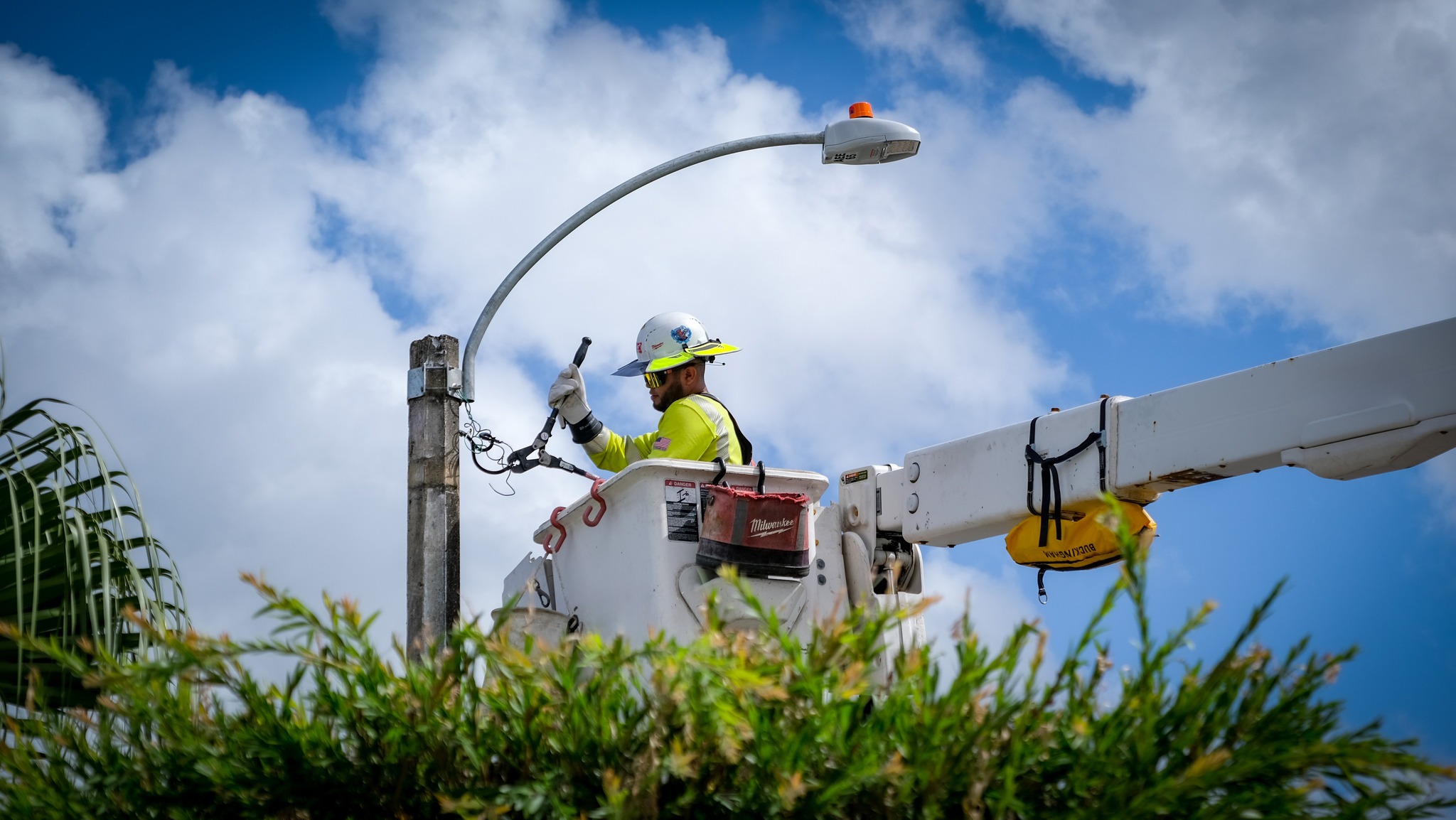
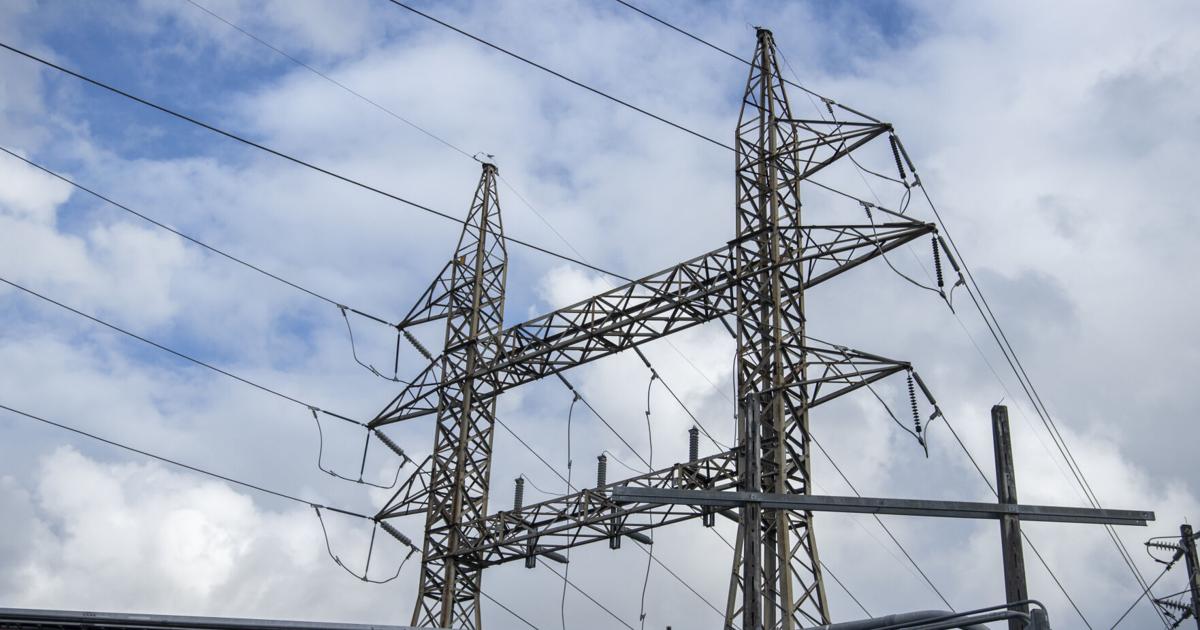
House proposal: 90 days without power shutoffs for late payments in December, January and February
CoquiList · With information from El Vocero
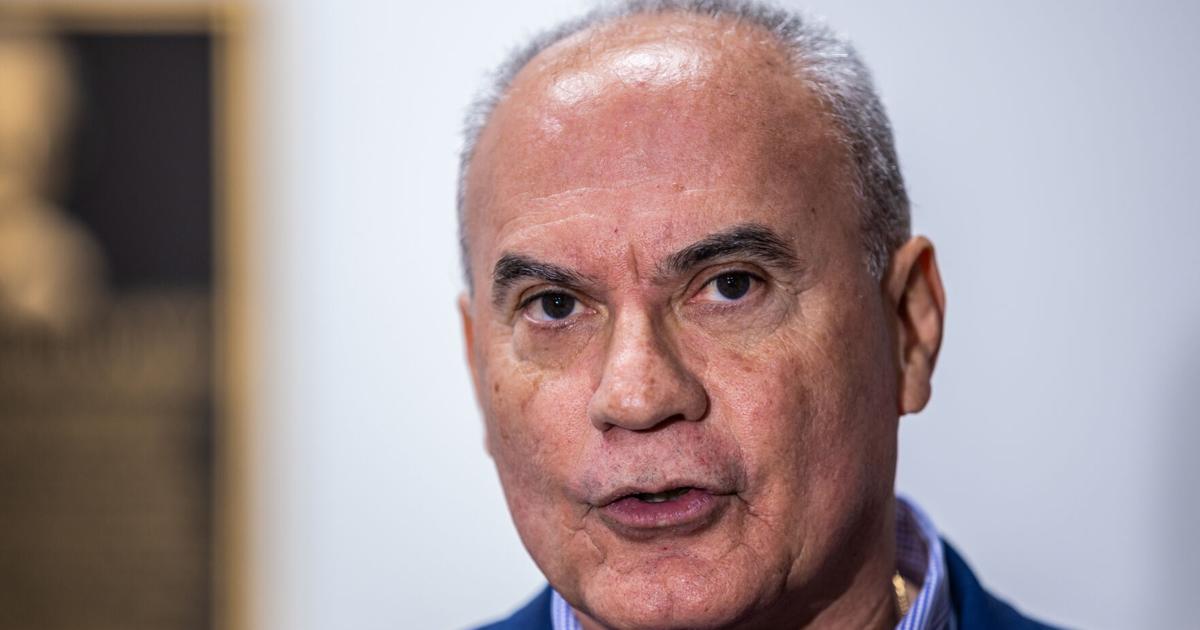
A 90-day moratorium on power shutoffs for late payments, covering December, January and February, is the proposal announced Sunday, November 22 by House Government Committee chair Víctor Parés (PNP). It is not law and has no bill number yet: the House will first request data to see what it would cost and how many customers it would reach 1.
Background
The pressure is on household wallets. The unsubsidized residential rate is 33.86 cents per kilowatt-hour, and a family of four using about 1,200 kWh is already getting bills above $350 this quarter 1. The October-to-December increase was 5.2848 cents per kWh: the residential rate went from 28.57 to 33.85 cents, an 18.5% jump 2.
The root cause is fuel. Since September 16, New Fortress Energy interrupted liquefied natural gas deliveries amid a dispute over the arrival of the tanker Amur River in San Juan Bay 2. On October 13 the ship docked, but only San Juan Unit 6 received gas; on October 31 the gas on board ran out, and diesel has been burned since 2. San Juan combined-cycle units 5 and 6 and the temporary units at Palo Seco have run on diesel since mid-September 3.
The numbers
- 90 days: length of the proposed moratorium, for December, January and February. Customers with overdue accounts would keep service and, afterward, would have to resume their payment plan or negotiate a new one 1.
- 1.5 million: customers served by LUMA. The proposal offers no figures on shutoffs or accumulated debt; that is exactly what Parés will request from LUMA: how many customers are behind, how much is owed in total and since when 1.
- $90.9 million: net recovery LUMA asked the Energy Bureau for over September and October fuel differentials. It comes from a $54.37 million shortfall in September and $45.15 million in October, minus purchased-power credits 2.
- $9.7 million: surplus certified by Hacienda from this year's tax relief checks, a non-recurring fund that Rep. Eddie Charbonier, chair of the House Hacienda Committee, wants to look at to cushion future increases 3.
Parés will also meet with Energy Bureau chairman Edison Avilés, consumer groups and Executive Branch officials, including the Secretary of Hacienda, and will ask the Legislative Budget Office for a fiscal impact study for fiscal year 2026-2027 and the next budget 1. His argument: "Esta Cámara de Representantes tiene un compromiso con aliviar la carga a nuestra gente" (this House is committed to easing the burden on our people) 1.
What it means for you
Today there is no moratorium. If you are behind, LUMA can keep applying its normal shutoff process, and the proposal does not protect you until it passes both chambers and the governor signs it 1. What there is, is a signal that shutoffs during a season of high bills are on the legislative agenda.
Your bill could also go up further. LUMA says the $90.9 million recovery would be folded into the next quarterly adjustment if the Bureau approves it, and that November could add more as long as diesel continues 2. Avilés has said consumers have not yet paid any of that diesel difference 2. LUMA and Genera will seek to recover the difference in the next rate review 3.
How to / Checklist
- Check your bill and note the overdue balance and the payment deadline. If you cannot pay in full, do not wait for the moratorium.
- Ask LUMA for a payment plan at 1-844-888-5862 or from your account at lumapr.com, before you get a shutoff notice.
- If you are cut off or charged something you do not understand, file a complaint with the Energy Bureau at energia.pr.gov or at 787-523-6262.
- Ask about assistance programs and bill subsidies if you qualify by income.
- Write to your representative or the House Government Committee so they know how many families are behind: the data Parés requests depends on those cases.
- Cut usage at peak hours (air conditioning, water heater, dryer) while the diesel lasts.
What's next
Parés will request the LUMA report, hold the meetings with the Bureau, consumers and Hacienda, and wait for the Legislative Budget Office study before filing anything concrete 1. Meanwhile the Bureau must decide how much of the $90.9 million in fuel costs moves into the quarterly adjustment 2, and Charbonier will keep hunting for non-recurring funds after the session ends, with next year's budget hearings as the next stop 3. The question that will decide it all: who pays for the months when the lights were not cut.
Sources
CoquiList summary and local context. Read the linked sources for the original reporting.
Ask about this story
Ask anything about this article — in English or Spanish.
Log in to ask about this story.
Comments (0)
Log in to join the conversation.
No comments yet — be the first.