ATI confirms final stages to resume fares on buses and public transit after two free years
CoquiList · With information from Primera Hora
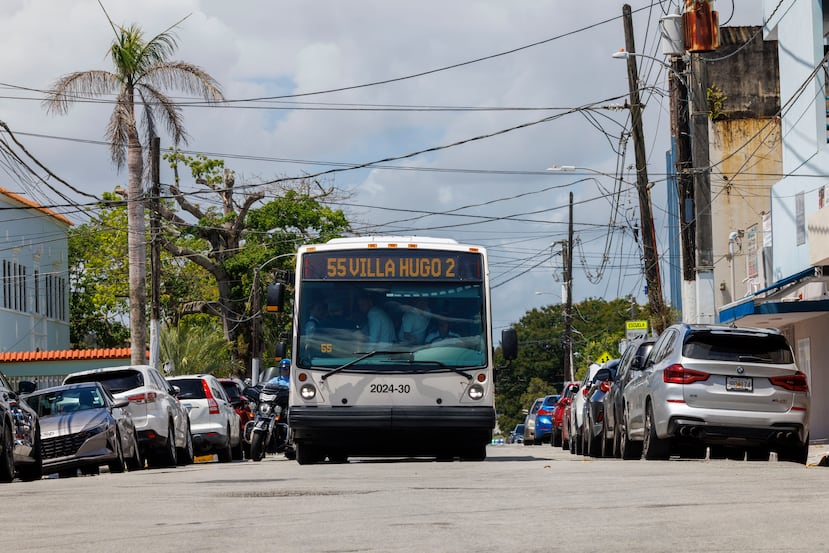
The Integrated Transportation Authority (ATI) confirmed it is in the final testing stages of the new electronic fare collection system that will end more than two years of free public transit in the metropolitan area. ATI Director Josué Menéndez stated that "we are in the final stages and testing of the system at stations" and that once the process is complete, the start date will be announced alongside an informational campaign for riders 1.
Free service began on March 1, 2024, when then-Governor Pedro Pierluisi eliminated fares across all public transit modes operated by ATI. Since then, millions of passengers have ridden at no cost on AMA buses, Metrobús, Tu Conexión routes, and Metro Urbano. The measure was sustained through federal government subsidies that covered operational costs, preventing ATI from falling into a financial deficit 1.
The original plan was to resume fare collection on January 1, 2026, but delays in testing the ticket acquisition system forced ATI to postpone the date indefinitely 2. Now, eight months past that missed deadline, Menéndez says the process is in its final stretch.
The fares to be implemented will not represent an increase over what passengers paid before 2024. The Urban Train fare will remain at $1.50, regular AMA and Metrobús buses will cost $0.75, and intermodal routes — such as Toa Baja to Bayamón and Caguas to Cupey — will be priced at $2.00. ATI also confirmed that transfers between train and bus will generate a single charge, benefiting passengers who combine modes on their daily commute 1.
While finalizing the fare system, ATI has also invested in modernizing the user experience. In May 2026, AMA launched the AMA Móvil app, a $450,000 tool that allows real-time tracking of bus locations and provides arrival time estimates. The app, available for iOS and Android, covers the system that transports approximately 4 million passengers annually 3.
What it means for you
If you depend on public transit to get to work, school, or medical appointments, prepare to start paying fares again in the coming weeks or months. Although ATI has not announced an exact date, the confirmation that they are in final testing stages indicates the change is near.
For most bus riders, the impact will be $0.75 per trip — $1.50 round trip. That adds up to about $7.50 per week for someone commuting five days, or roughly $30 per month. If you use intermodal routes, the cost rises to $2.00 per leg. These are not new increases, but after two years of paying nothing, the adjustment will be felt in the wallet.
The good news is that the single-charge transfer policy between train and bus remains in place, so you will not pay double if your route includes a mode change.
How to prepare
-
Download AMA Móvil from the App Store or Google Play. The app lets you see in real time where your bus is and plan your time better — especially useful now that routes will resume charging.
-
Have cash or your payment method ready. ATI has not yet publicly detailed whether the new system will use rechargeable cards, app-based payment, or traditional cash. Stay alert for the informational campaign they will announce before fares begin.
-
Know your fare. AMA and Metrobús buses: $0.75. Intermodal routes (Toa Baja-Bayamón, Caguas-Cupey): $2.00. Urban Train: $1.50. Train-to-bus transfer: single charge.
-
Review your routes. If you use Tu Conexión or Metro Urbano, confirm your route is still active and check updated schedules on the app or at stops.
-
Follow ATI and AMA official social media accounts to learn the exact start date for fare collection and details about the new ticketing system.
What comes next
ATI promises a robust informational campaign before activating fares, which should give passengers time to adjust. The main challenge will be the transition: after more than 29 months of free service, many users — particularly students and elderly riders — will need to reincorporate that expense into their budgets.
It also remains to be seen whether the new electronic ticketing system will actually work without hitches. Previous delays suggest the technology has been a headache for ATI, and the first-day experience will be crucial for public confidence in the system.
What is clear is that the era of free buses in Puerto Rico has its days numbered.
Sources 1 Primera Hora, "Más cerca el inicio del cobro del Tren Urbano y las guaguas públicas," August 11, 2026. 2 El Nuevo Día, "Retrasos en pruebas al sistema de boletos extienden los viajes gratis en el Tren Urbano y la AMA," December 27, 2025. 3 El Nuevo Día, "La AMA estrena nueva aplicación que permite conocer por dónde va la guagua y cuánto tarda," May 18, 2026.
Sources
CoquiList summary and local context. Read the linked sources for the original reporting.
Ask about this story
Ask anything about this article — in English or Spanish.
Log in to ask about this story.
Comments (0)
Log in to join the conversation.
No comments yet — be the first.