DTOP Orders Every CESCO to Register "Side by Side" UTVs, but Four-Wheel ATVs Remain Banned
CoquiList · With information from El Nuevo Dia
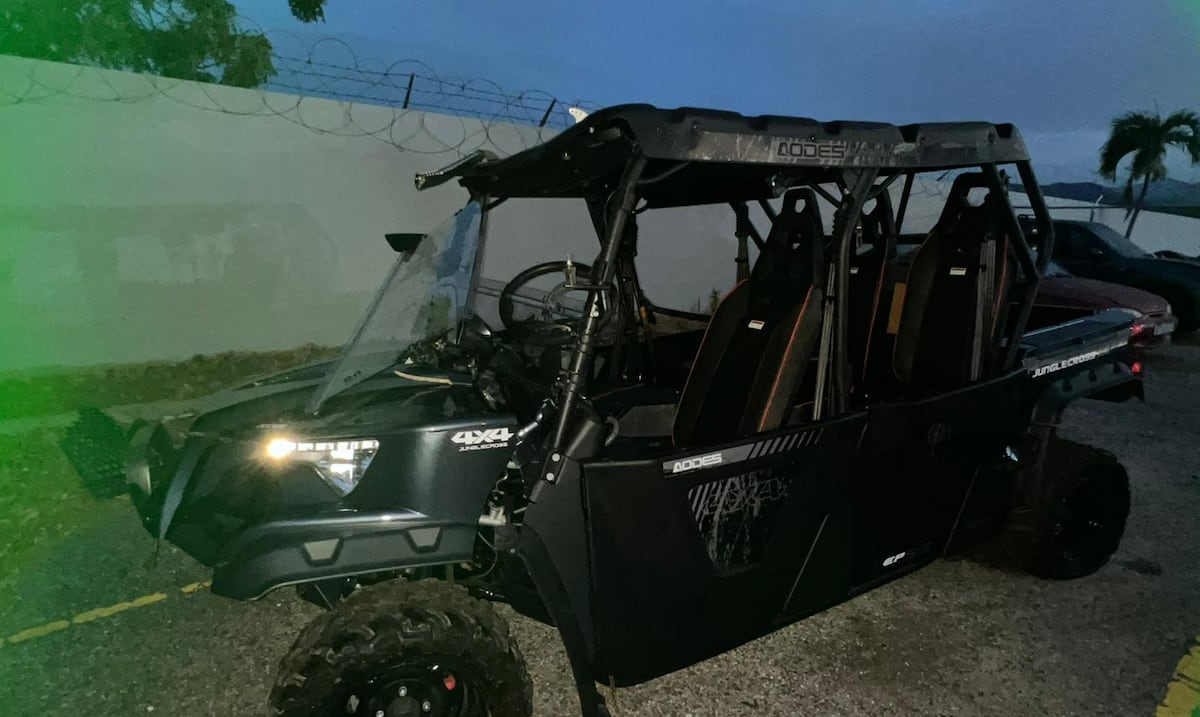
The secretary of Puerto Rico's Department of Transportation and Public Works (DTOP), Edwin Gonzalez Montalvo, signed an administrative order instructing every Driver Service Center (CESCO) on the island to inspect and register UTV-type vehicles, popularly known as "side by side" vehicles, effective immediately 13. The move came amid public confusion over whether DTOP had just legalized off-road vehicles in general, something the secretary was quick to deny: "We are not governing by decree. This is what current law already allows" 1.
What happened and why now
The order does not create a new law. According to Gonzalez Montalvo, what it does is standardize an inspection process for UTVs that, in practice, some CESCOs had already been applying since 2020 while others refused to process it, creating unequal treatment of dealers and vehicle owners across different municipalities 12. The process runs through form DTOP-DIS-360, which CESCO directors must use to inspect the vehicle before issuing a license plate 2.
The confusion stems from the fact that on February 26, 2026, the Senate blocked Senate Bill 916, a much broader piece of legislation that would have legalized not just UTVs but also four-wheel ATVs ("four tracks") and scrambler-type motorcycles on all public roads, including highways and expressways 3. The Senate's Transportation and Telecommunications Committee, chaired by Senator Hector Joaquin Sanchez Alvarez, issued a negative report after the Puerto Rico Police Department and the Puerto Rico Association of Insurance Companies warned about the risk of allowing these vehicles on high-speed roads 3. A working group convened by La Fortaleza had instead recommended limiting off-road vehicles to roads excluding highways, expressways, and restricted- or controlled-access roads 3.
The secretary insisted his administrative order does not revive what the Senate rejected: "this is completely different from the bill that was submitted, which did not clear the Senate... That bill allowed four tracks to run on the roads" 2.
The numbers and details that matter
Only four-wheeled UTVs designed for rough terrain, where passengers sit side by side (hence the name "side by side" or SxS), from brands such as Can-Am, Polaris and Kawasaki, qualify for registration under the new order 23. Explicitly excluded are four-wheel ATVs ("four tracks") and scrambler motorcycles, which remain banned from every public road in Puerto Rico 12. For a UTV to be approved, the vehicle must have working front and rear lights, rearview mirrors, a windshield, a horn, and seatbelts for every seat, according to Traffic Safety Commissioner Jose "Memo" Gonzalez Mercado 1. Secretary Gonzalez Montalvo stressed that the order took effect immediately "to avoid unjustified interruptions" that were affecting dealers and UTV owners who had spent months in administrative limbo 3.
Public reaction was swift: influencer Misael Gonzalez Trinidad, known as "Rey Charlie," celebrated the order on social media with the message "UTV vehicle registration is ordered immediately at all CESCOs in Puerto Rico. License plates for the carts" 3.
What it means for you
If you own a UTV or side by side from a recognized brand, you can now go to any CESCO in the country to request a license plate without depending on whether that particular center decided to process it or not 12. But if what you own is a four track or a scrambler motorcycle, this order does not cover you: you remain exposed to fines if you drive it on public roads, regardless of what you may have read on social media about a supposed blanket "legalization" of off-road vehicles 23. UTV dealers also gain certainty, since they no longer depend on each CESCO's discretion to close a sale.
How to do it / Checklist
- Confirm your vehicle is a genuine UTV or side by side -four wheels, side-by-side seating, brands like Can-Am, Polaris or Kawasaki- and not a four track or scrambler, which do not qualify 23.
- Verify the vehicle has working front and rear lights, mirrors, a windshield, a horn, and seatbelts for every seat before taking it in for inspection 1.
- Gather purchase documentation or the manufacturer's or dealer's certificate of origin.
- Go to any CESCO in Puerto Rico -you no longer need to find one that specifically "processes" UTVs- and request inspection under form DTOP-DIS-360 2.
- Pass the physical vehicle inspection with CESCO staff before the license plate is issued.
- Watch for whether DTOP or the Legislature define road-use restrictions (for example, excluding highways and expressways), since the recommendation from La Fortaleza and the Police pointed in that direction for the bill that failed 3.
- If you are a dealer, document every registration completed under the new order in case changes follow the public hearing announced in the Legislature.
What's next
Senator Hector Joaquin Sanchez Alvarez, chair of the Transportation and Telecommunications Committee, announced he will call a public hearing the following week for DTOP to explain the real scope of the administrative order, amid questions from some legislators over whether the agency is using a circular letter to achieve administratively part of what the Senate denied a bill months earlier 1. The debate over whether four tracks and scrambler motorcycles should be allowed on public roads -the core of Senate Bill 916, which failed in February- remains open, and a new, narrower bill attempting to regulate rather than fully ban those vehicles is likely to resurface 3.
Sources
CoquiList summary and local context. Read the linked sources for the original reporting.
Ask about this story
Ask anything about this article — in English or Spanish.
Log in to ask about this story.
Comments (0)
Log in to join the conversation.
No comments yet — be the first.