DTOP to transfer $114.4 million to 42 municipalities to repave state roads
CoquiList · With information from Telemundo Puerto Rico
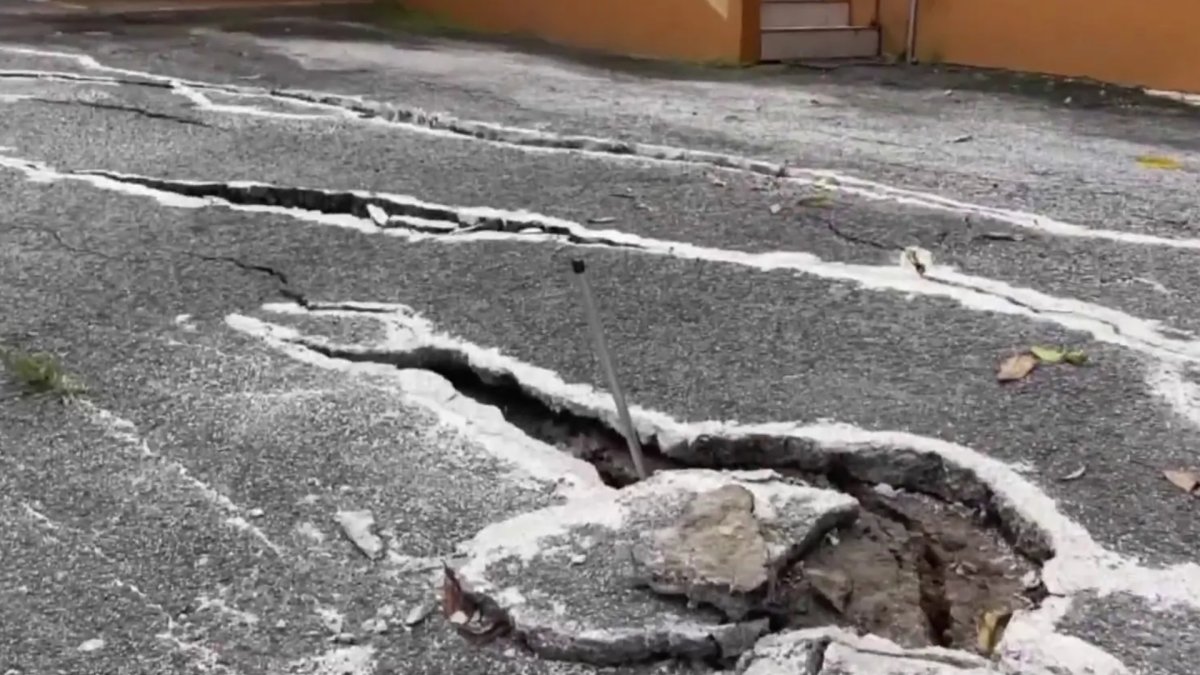
The Department of Transportation and Public Works (DTOP) confirmed this week that it will transfer $114.4 million to 42 municipalities across the island to repave sections of state highways, in what amounts to the second and third rounds of a pavement rehabilitation program that Governor Jenniffer Gonzalez Colon had flagged as a priority of her administration 1. The announcement came Monday, October 5, and places towns like Utuado, Arecibo, Humacao, Guaynabo and Bayamon among those receiving the largest allocations 2.
Context
The state of Puerto Rico's state highways — the numbered routes like PR-2, PR-3 or PR-111 that run through municipalities but are the central government's responsibility, not the mayors' — has for years been one of drivers' most consistent complaints. Potholes, eroded shoulders and cracked pavement from years of rain and deferred maintenance are part of the daily landscape in dozens of towns. To work around that administrative tangle, DTOP designed a transfer-agreement model: the central government hands the money directly to municipalities, which then execute the work under the agency's technical oversight, rather than waiting for state crews to show up on their own schedule 1. This is already the second and third batch of that effort, suggesting a smaller first round had already been completed or was underway before this announcement 3.
The numbers
The total figure is $114.4 million, split into two disbursements: $34.9 million in the second round and $79.5 million in the third 2. The money comes from the state budget certified to the Fiscal Oversight Board, not from federal emergency funds 3. Among the 42 municipalities benefiting, the highest individual allocations are: Utuado, for PR-111, at $9.6 million; the Panoramic Route (PR-143), at $9.5 million; Arecibo, for PR-2, at $9.5 million; Humacao, for PR-3, at $8.5 million; Guaynabo, for PR-177, at $7.7 million; and Bayamon, for stretches of PR-839, PR-29 and PR-2, at $6.5 million 12. The rest of the 42 municipalities — including Aguas Buenas, Aibonito, Barceloneta, Cabo Rojo, Caguas, Catano, Ciales, Corozal, Fajardo, Guanica, Guayama, Gurabo, Hormigueros, Juana Diaz, Lajas, Lares, Luquillo, Manati, Mayaguez, Morovis, Naranjito, Ponce, Rio Grande, Rincon, Sabana Grande, Salinas, San German, San Juan, San Lorenzo, Trujillo Alto, Vega Alta, Vega Baja, Yabucoa and Yauco — will receive smaller but equally concrete allocations for specific segments within their limits 1.
What it means for you
If you live in or drive daily through any of these 42 municipalities, this announcement is not just an abstract budget number — it is the prelude to heavy machinery, closed lanes and detours on your usual route over the coming months. The good news is that the money is already committed and does not depend on a future legislative vote, so the risk of this staying a mere announcement that never materializes is lower than with other infrastructure promises. The catch is that each municipality must sign its individual agreement with DTOP and submit a work plan — so how quickly your city hall finishes that paperwork can determine whether the machines show up on your block in November or in March of next year. It is also worth checking whether your specific road segment made the official list, since funding is allocated by stretch, not by entire municipality: a town can receive money for one piece of PR-2 and nothing for another road within the same municipal boundary.
How to act / Checklist
- Call or email your municipality's public works office and ask specifically whether your road or sector was included in the second or third round of the repaving program.
- Ask for the exact segment or mile marker covered by the agreement, since the funding applies per stretch and not to the entire numbered route.
- If your municipality has already signed its agreement, ask when the 30-day deadline to file a work plan with DTOP expires, since that date marks the real start of construction.
- Report potholes or specific damage in your area through DTOP's or your municipality's complaint system while you wait for formal repaving to begin, so it stays documented.
- If you frequently drive through Utuado, Arecibo, Humacao, Guaynabo or Bayamon — the ones with the largest allocations — plan alternate routes for the coming months, since those are the stretches most likely to see work start first given the size of the investment.
- Follow your municipality's and DTOP's official social media accounts for lane-closure notices before you head out.
What's next
DTOP has not yet published a public calendar with start and completion dates by municipality, so the next thing to watch is the formal signing of transfer agreements with each of the 42 city halls and the filing of work plans within the 30-day window. From there, the agency must certify that each municipality meets technical specifications before authorizing the release of funds, which has historically been the bottleneck in these kinds of programs. CoquiList will track the process to confirm whether work on the highest-funded roads — such as PR-111 in Utuado and the Panoramic Route — breaks ground before the fiscal year ends.
Sources
CoquiList summary and local context. Read the linked sources for the original reporting.
Ask about this story
Ask anything about this article — in English or Spanish.
Log in to ask about this story.
Comments (0)
Log in to join the conversation.
No comments yet — be the first.