Rivera Schatz Proposes General Fund Cover Power Subsidies and Lets Industries Sell Surplus Energy to the Grid
CoquiList · With information from Metro Puerto Rico
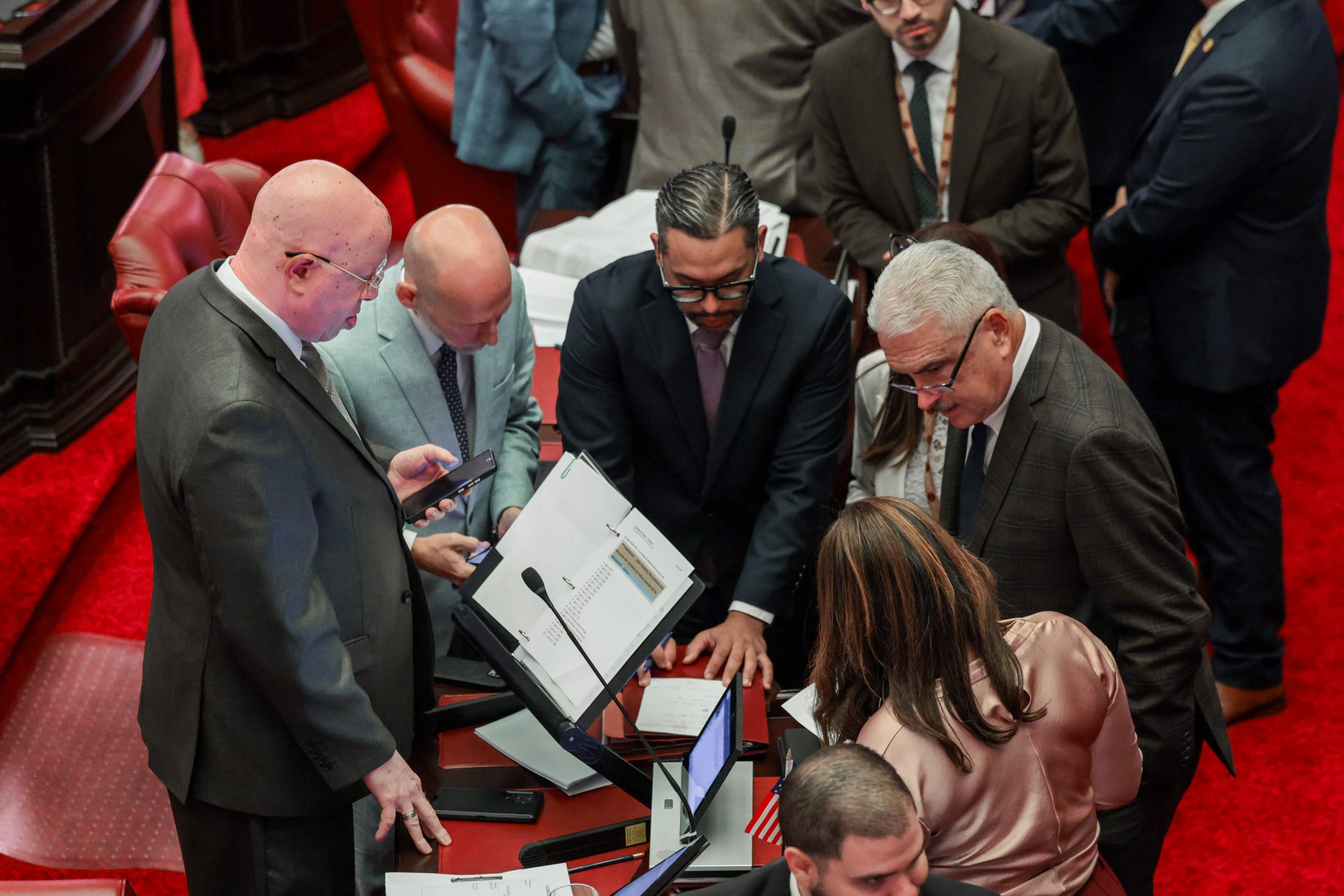
Senate President Thomas Rivera Schatz filed two measures on Friday, November 13, with one shared goal: lower the light bill without raising taxes. One would have the General Fund pay the subsidies that all of us carry on our bills today; the other would open the grid to surplus power from hospitals, industries and businesses. On Monday he left the door open to an extraordinary session to pass them. 13
Background
The electric bill is now one of the heaviest items in the household budget. The current rate sits around 33.86 cents per kilowatt hour (kWh), as noted in coverage of the filing. 2 Rivera Schatz put it this way: "People cannot keep devoting a growing share of their income to the light bill." 2
The proposal comes amid political tension around the power system. On October 30, Governor Jenniffer González said a similar proposal had been submitted to the Fiscal Oversight Board, but no progress has been made public. 2 The Senate measures also arrive in the final stretch of the ordinary session. 4
What the measures say
Senate Resolution 657 (RS 657). It proposes that the government cover, with General Fund money, the cost of electricity subsidies now reflected in customers' bills. The aid to the benefiting sectors would not be eliminated; what changes is who pays for it. 1 The Senate president said: "What we are proposing is that their cost not keep falling on other customers." 1
- Source of funds: the $904.2 million in contract savings reported by the government, with no new taxes. 12
- Deadline: 60 days to identify the resources and submit the corresponding legislation. 12
- Estimated impact: on Monday Rivera Schatz said the measure could cut bills by $40 to $60. 3
Senate Bill 1636 (PS 1636). It would let hospitals, industries and businesses with their own generation systems feed surplus energy into the grid, especially during peak-demand hours. It creates a separate category for this model and provides that existing renewable net metering agreements, such as those of people with solar panels, are not altered. 12
According to El Nuevo Día, the amendment would touch the net metering law, Ley 114-2007, which today is limited to residential and commercial customers with renewable equipment. It would allow non-residential customers to export energy generated from fossil fuels and receive compensation, with a limit. 4 On Monday, Rivera Schatz clarified that qualifying companies would receive a credit, not a cash payment. 3
What we still don't know
Reports do not detail the compensation cap in PS 1636, the amounts of the subsidies that would shift to the General Fund, or the eligibility criteria. There is also no vote date or assigned committee. 14 The Senate president has not discussed the matter with the governor, but said it "could be handled in an extraordinary session." He also downplayed possible opposition from the Board: "The Board has been wrong about a great many things, and I don't see how they could oppose this." 3
What it means for you
If you are a residential customer, the direct effect depends on the government finding and assigning the money. The $40 to $60 figure is the sponsor's own estimate, not a calculation from the Energy Bureau or LUMA, and the initial measure only orders a search for funds within 60 days. 13 Nothing changes on your bill yet.
If you have solar panels under net metering, the bill expressly says your current agreements are not touched. Still, read the final text if it reaches a vote. 2 If you run a hospital, an industry or a business with its own generation, PS 1636 could give you a credit for surplus energy, subject to a cap that is not yet known. 34
How to / Checklist
- Look up both measures by number (RS 657 and PS 1636) in the Senate's Single Legislative Tracking System: sutra.oslpr.org. You will see the text, the committee and any changes.
- Review your LUMA bill: note the kWh used and the subsidy charges so you know how much they weigh in your case.
- If you are on net metering, keep a copy of your interconnection contract to compare with the language of PS 1636.
- Write or call your district senator and the at-large senators to give your opinion. Directories are at senado.pr.gov.
- If you represent an industry or a hospital, ask your energy adviser whether your system would qualify as surplus generation and at what cost.
- Watch for an announcement of an extraordinary session, which would be when these measures get voted on. 3
What's next
The first signal will be whether the governor calls for or backs an extraordinary session, something Rivera Schatz said he has not discussed with her. 3 Then come the numbers: exactly where the $904.2 million would come from, how much of it would go to subsidies, and what the credit cap would be for surplus energy. And it remains to be seen what position the Fiscal Oversight Board takes, since it already has a similar proposal from the Executive on the table. 23
Sources
- Metro Puerto Rico, "Radican medidas para aliviar la factura eléctrica y ampliar la generación de energía," November 13, 2026.
- Primera Hora, "Rivera Schatz propone subsidio del gobierno para abaratar la tarifa de la luz," November 13, 2026.
- Metro Puerto Rico, "Rivera Schatz no descarta sesión extraordinaria para atender medidas que buscan bajar el costo de la luz," November 16, 2026.
- El Nuevo Día, "Rivera Schatz propone permitir a industrias recibir créditos por exportar energía generada con fuentes fósiles," November 14, 2026.
Sources
CoquiList summary and local context. Read the linked sources for the original reporting.
Ask about this story
Ask anything about this article — in English or Spanish.
Log in to ask about this story.
Comments (0)
Log in to join the conversation.
No comments yet — be the first.