Lawmakers propose using UPR's unclaimed properties to ease Puerto Rico's housing shortage
CoquiList · With information from Primera Hora
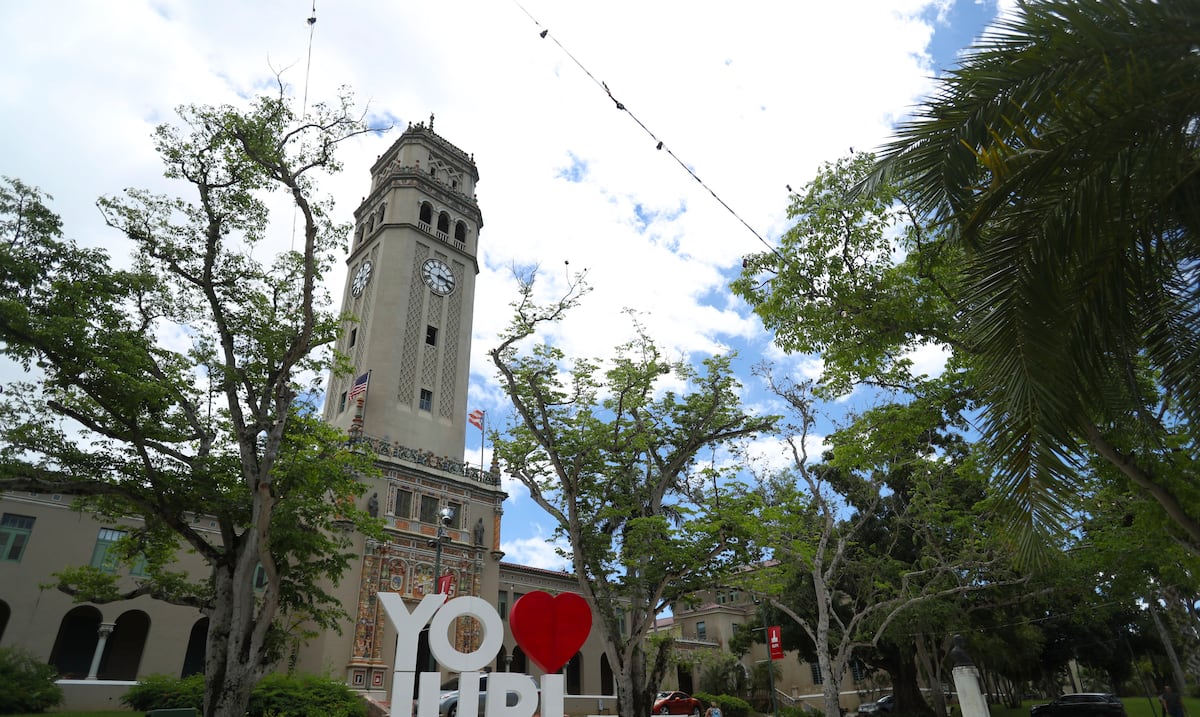
The president of the Puerto Rico House of Representatives' Finance Commission, Eddie Charbonier, announced on September 28 that the commission will launch a comprehensive review of unused properties held by the University of Puerto Rico (UPR), aiming to put them on the market through a faster process and use the proceeds to help address a housing deficit the commission says exceeds 60,000 units across the island 1. The proposal comes as officials estimate more than 300,000 vacant or abandoned properties exist throughout Puerto Rico, an inventory lawmakers have pointed to for years as part of the solution to the island's affordable housing crunch 1.
Where these properties come from
The reason UPR ended up owning hundreds of homes and land parcels has nothing to do with academics. Since 1930, Article 914 of Puerto Rico's Civil Code has established that property belonging to people who die without heirs or a will -so-called intestate or unclaimed estates- passes first to the Commonwealth and then to UPR's Permanent Fund 1. That fund, managed by the university's Real Estate and Investment Office, has been accumulating homes, lots and land parcels for nearly a century, many of which have sat unused and unmaintained for years 1.
Charbonier said UPR "has a portfolio of properties, many of which are unused, that could be placed on the market and sold through an expedited process" to generate resources tied to the real estate market, particularly housing units 1. The lawmaker said the Finance Commission will request an updated registry of those properties from the university, along with its sale protocols and how it handles the resulting revenue. "The updated registry is essential, as are the sales platforms and the profits generated," he said 1.
The numbers
- More than 60,000 units: the housing deficit cited by the legislative commission 1.
- More than 300,000 properties: the estimated number of vacant or abandoned homes and lots across Puerto Rico 1.
- 1930: the year the Civil Code established that intestate estates transfer to UPR's Permanent Fund 1.
- Second legislative attempt in two years: in 2024, then-Representative Jose "Che" Perez proposed eliminating the liens that burden many of these inherited properties, so UPR could sell them at higher prices with fewer legal obstacles 2. That effort never became law.
The current buy-sell process for these properties is, by the House's own account, slow and costly: each transaction requires appraisals, title searches, internal authorization from UPR's Governing Board and, in many cases, litigation to clear liens accumulated over decades of unpaid taxes, insurance or debts before the property ever reached the university.
What this means for you
If you're hoping to buy a home or lot at a reasonable price, this is not yet an active program -it's the start of a legislative review, not a sales rollout. But if you have a specific property in mind that you suspect passed to UPR for lack of an heir (say, a distant relative's home who died without a will), this announcement signals the university's inventory could start moving faster in the coming months. For affordable-housing developers and municipalities with vacant UPR-owned land within their boundaries, the review also opens a window to negotiate directly with the university before properties go to public auction.
How to do it / Checklist
- If you believe a relative died without a known heir and without a will, check the Property Registry (Registro de la Propiedad) to confirm whether the property has already transferred to UPR's Permanent Fund before assuming it's still available for a family claim.
- Contact UPR's Real Estate and Investment Office (Oficina de Bienes Raices e Inversiones) directly to ask whether an inventory of properties available for sale is published or being updated.
- If you're an affordable-housing developer or represent a municipality, request a meeting with the House Finance Commission to learn the public hearing schedule for this review.
- Track the House of Representatives' legislative record to see whether Charbonier files a formal bill, unlike the 2024 attempt, which never moved past an announcement 2.
- If you're interested in a specific property, request a registered-ownership certification from the Property Registry before investing time or money in purchase efforts.
What comes next
Charbonier did not offer a deadline for completing the review or say whether he will file a specific bill, unlike the similar 2024 effort by Jose "Che" Perez, which also never resulted in approved legislation 2. The Finance Commission still needs to summon UPR to public hearings to turn over the updated property registry, sale protocols and revenue-handling information Charbonier requested. Until that happens, the exact inventory of available properties -and its total value- remains a public unknown. CoquiList will follow the process and update this story if formal legislation is filed or if UPR publishes a registry of properties available for sale.
Sources
- Primera Hora, "Vuelven a proponer aliviar el problema de vivienda con las propiedades en desuso de la UPR," September 28, 2026. https://www.primerahora.com/noticias/gobierno-politica/notas/vuelven-a-proponer-aliviar-el-problema-de-vivienda-con-las-propiedades-en-desuso-de-la-upr/
- Primera Hora, "Buscan eliminar gravamenes para que UPR pueda ganar mas al vender sus propiedades." https://www.primerahora.com/noticias/puerto-rico/notas/buscan-eliminar-gravamenes-para-que-upr-puede-ganar-mas-al-vender-sus-propiedades/
Sources
CoquiList summary and local context. Read the linked sources for the original reporting.
Ask about this story
Ask anything about this article — in English or Spanish.
Log in to ask about this story.
Comments (0)
Log in to join the conversation.
No comments yet — be the first.