Your AAA water bill rises 2% a year: what the sewer charge and CCCE really are
CoquiList · With information from Autoridad de Acueductos y Alcantarillados
If it feels like your water bill goes up every year, you're right: it does. Since July 1, 2024, the Puerto Rico Aqueduct and Sewer Authority (AAA) has applied a 2% annual increase as part of a rate-adjustment plan set by the Fiscal Oversight Board that runs through 2038.12 That 2% is the floor: the adjustment can reach up to 5% a year based on the utility's real needs, with a cumulative cap of 30%.1
At CoquiList we broke your bill down line by line so you know exactly why you pay what you pay.
Your bill isn't just "the water you used"
Many people assume they pay for the gallons they consume and that's it. Not so. Your AAA bill has three main pieces:
- Drinking-water consumption. What comes out of your tap, measured by the meter.
- Sewer charge. Here's the surprise: it equals 113% of your drinking-water consumption.3 So for every dollar of water you use, you pay an extra $1.13 for wastewater handling. It's often the single most expensive line on your bill.
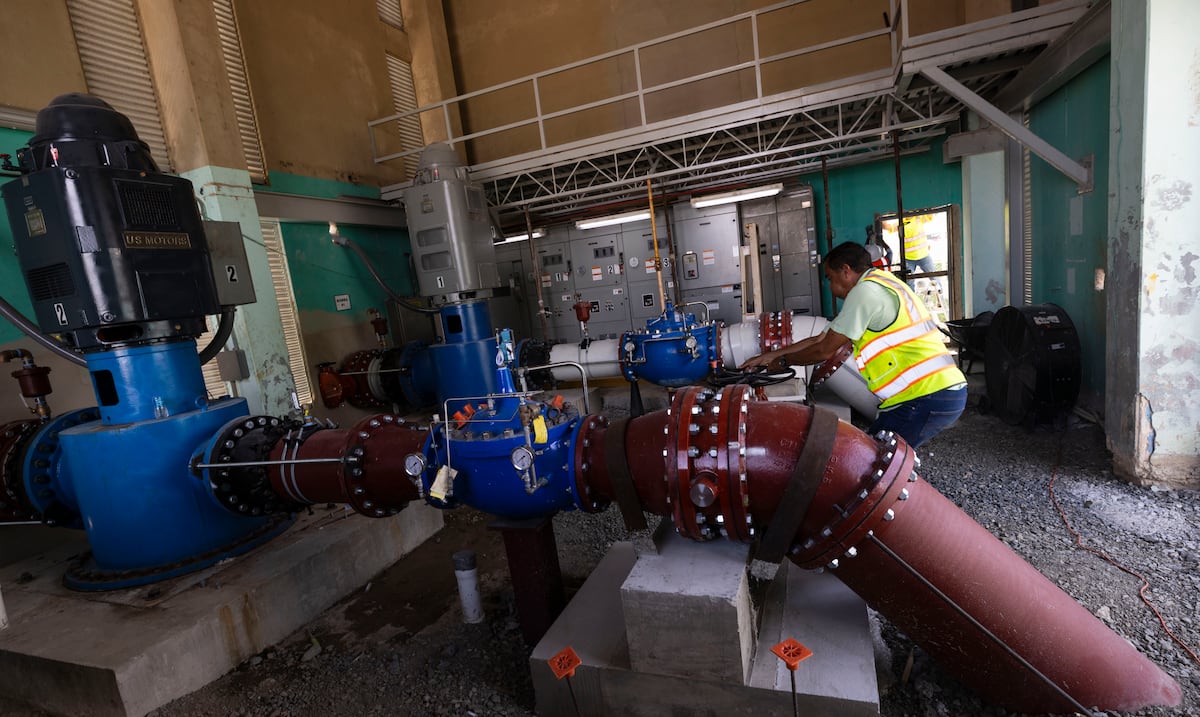
- CCCE (Fuel Adjustment and Energy Purchase Charge). The AAA uses enormous amounts of electricity to pump water across the island, and that cost is passed to you. The CCCE changes month to month with the price of energy; when electricity goes up, your water bill does too.3
Where that money goes
The fiscal plan that sets these increases also earmarks major investments: about $790 million in FEMA funds to replace meters and a $430 million reinvestment reserve for infrastructure.2 "The AAA's long-term operational and financial sustainability is essential to ensure reliable water service," said Robert Mujica Jr., the Board's executive director.2 In short, your water bill is funding the rebuild of an aging network.4
What it means for you
- Check the sewer charge. Because it's 113% of your usage, cutting the water you use lowers two lines on your bill at once.
- Hunt for leaks. A running toilet or a dripping faucet can waste thousands of gallons a month. Trick: note the meter reading at night and check it in the morning without using water; if it changed, you have a leak.
- Water and wash smart. Do it early or at dusk so it doesn't evaporate, and use a bucket instead of an open hose to wash the car.
- If the CCCE throws you off one month, remember it tracks the cost of electricity, not how much water you used. Compare it month to month.
- If debt piles up, the AAA offers payment plans and assistance programs; ask before your service is cut.
Understanding your bill is the first step to controlling it. The full rate breakdown is public and you can check it directly on the AAA portal.1
Sources
CoquiList summary and local context. Read the linked sources for the original reporting.
Ask about this story
Ask anything about this article — in English or Spanish.
Log in to ask about this story.
Comments (0)
Log in to join the conversation.
No comments yet — be the first.