House Approves Flat 10% Rate on Interest and Capital Gains for Residents Without an Act 60 Decree
CoquiList · With information from WIPR

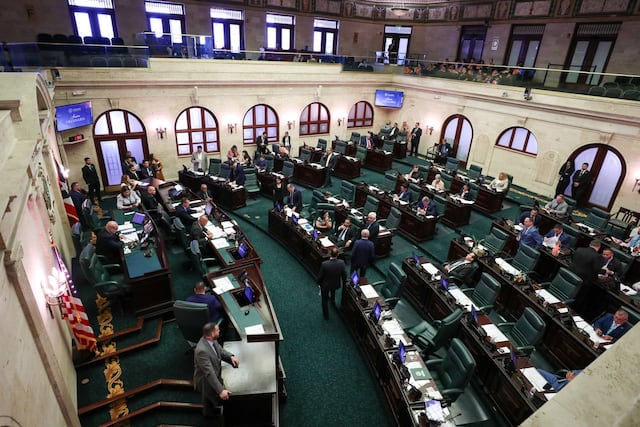
On September 11, the House of Representatives approved a measure that creates a special 10% flat tax on income from interest, dividends, and long-term capital gains for Puerto Ricans who do NOT hold a decree under Act 60 or Act 22, in an attempt to close the tax gap between lifelong residents and outside investors who have relocated to the island to claim those incentives 12.
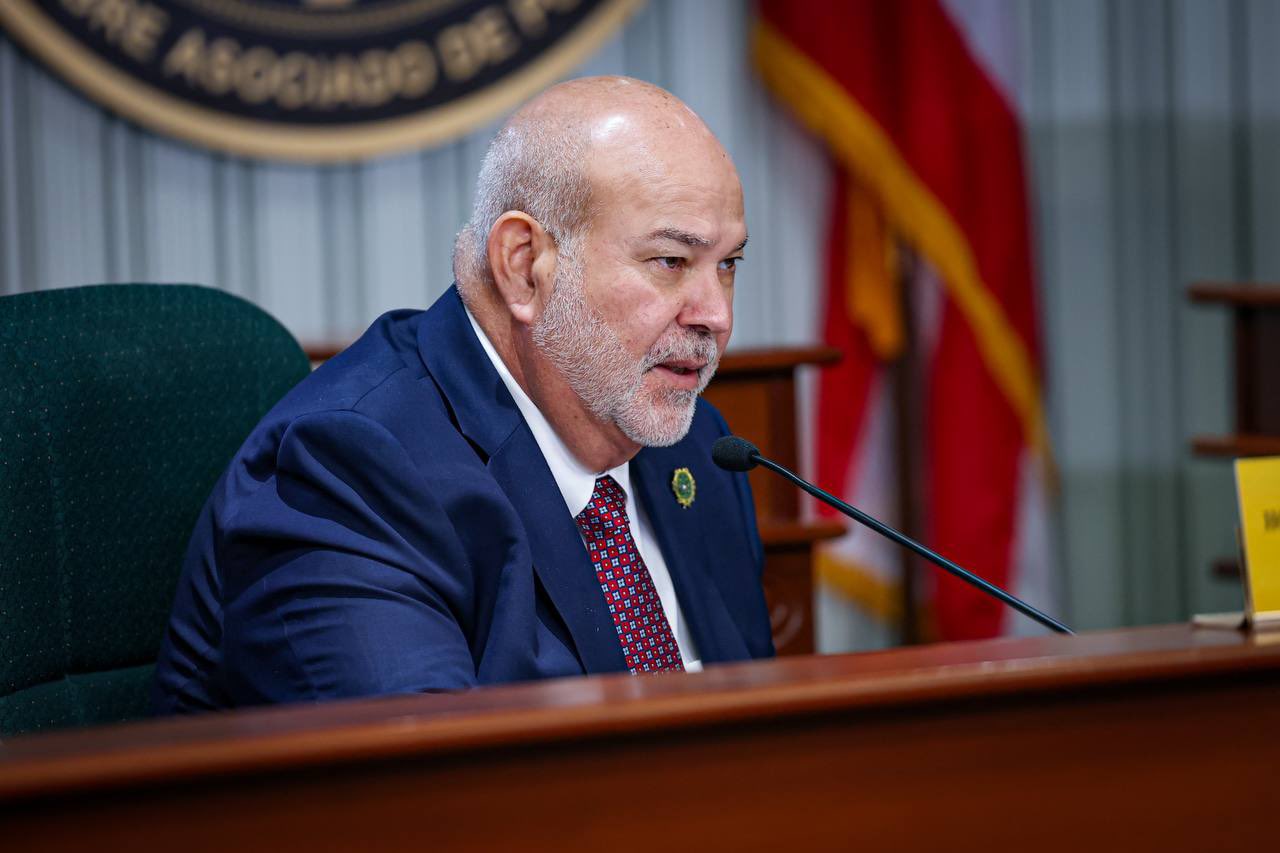
House Bill 501, an administration measure chaired by Representative Eddie Charbonier Chinea, president of the House Treasury and Budget Committee, passed with 46 votes in favor and four against, including the Puerto Rican Independence Party delegation and Proyecto Dignidad representative Lisie Burgos Muñiz 34. Charbonier Chinea explained that the measure "transforms an exclusive benefit into a universal option," aiming to incentivize capital repatriation and local investment among residents who have never applied for an exemption decree 12.
Background: a gap that has drawn criticism for years
Since Act 22 of 2012 (now folded into Act 60-2019) exempted investors who relocate to Puerto Rico from paying taxes on interest, dividends, and capital gains, a lifelong resident with the same income has paid regular rates of between 15% and 24%, while a decree holder pays 0% 2. That disparity was partially addressed in March, when Governor Jenniffer González Colón signed Act 38-2026, which imposed a flat 4% rate (5% in some cases) on that same type of income, but only for new decree applications filed on or after January 1, 2027; those who already hold a decree keep their exemption benefit through 2035 under the prior rules 56.
House Bill 501 attacks the other side of the problem: instead of raising the rate on outside investors, it lowers the rate for lifelong residents, setting it at a flat 10% instead of the regular 15%-24% scale that applies today 2. The Treasury Department recommended that the House evaluate this bill alongside Act 38-2026 before turning it into law, precisely because both touch the same type of income from different angles 34.
The estimated fiscal cost is not small: according to the fiscal note attached to the bill, passing it would reduce General Fund revenues by approximately $132.3 million during fiscal year 2026, and by between $134.8 million and $141.2 million annually between 2027 and 2030 34. That figure adds to a fiscal picture in which the government already operates under oversight from the Financial Oversight and Management Board, making additional scrutiny likely before the bill becomes law.
What this means for you
If you have savings accounts, certificates of deposit, stocks, bonds, or properties that generate interest, dividends, or long-term capital gains, and you do NOT hold an exemption decree under Act 60 or Act 22, this measure — if it becomes law as written — would lower your tax rate on that specific income from as much as 24% down to a flat 10% 2. It does not affect your salary or other ordinary income, only that particular category of investment income 12. For investors who already hold an active decree under Act 60, nothing changes: they remain under the exemption rules they already had 56. For those applying for a new decree after January 1, 2027, the 4% rate established under Act 38-2026 remains separate, with no direct relation to House Bill 501 56.
How to do it / Checklist
- Check whether you have income from interest, dividends, or long-term capital gains and whether you currently pay the regular rate (15%-24%) because you lack a decree under Act 60 or Act 22 2.
- If you have a certified public accountant (CPA), ask them to estimate how much you would pay under the proposed flat 10% rate versus what you pay today, so you know the real impact on your tax return 2.
- Track House Bill 501's progress on the Legislature's Unified Legislative Tracking System (SUTRA, sutra.oslpr.org) to see when the Senate takes it up and whether it gets amended 34.
- If you have an opinion on the measure, you can submit written testimony to the Senate Treasury Committee once public hearings are announced; organizations like Puerto Rico's CPA association typically publish their own testimony publicly 3.
- Don't assume the measure is already law: it still needs to pass the Senate and be signed by the governor before you can claim the 10% rate on a tax return 134.
What's next
House Bill 501 now moves to the Senate, where it should be evaluated alongside Treasury's recommendation to analyze it together with Act 38-2026, to avoid the two measures contradicting each other or duplicating benefits 34. The regular legislative session resumes Monday, September 14, at 1:00 p.m., when further hearings and the pending bill calendar are expected to continue 4. If approved by the Senate, the measure would go to Governor Jenniffer González Colón's desk, and it is reasonable to expect the Financial Oversight and Management Board to review the impact of the projected $132.3 million in lost revenue before the tax cut takes effect, since any measure with a significant fiscal impact typically goes through that review 34.
Sources
1 WIPR — House approves measure to establish special contribution on Puerto Rico residents' income 2 El Vocero — House approves reducing capital gains tax rate to 10% for Puerto Rico residents 3 NotiCel — House approves tax change that could reduce revenue by $132 million 4 Metro Puerto Rico — House and Senate approve several measures: what are they about? 5 Primera Hora — Governor signs law imposing 4% tax rate on Act 60 investors 6 Microjuris al Día — Amendments to the Incentives Code on Resident Investor Individuals, Act No. 38-2026
Sources
CoquiList summary and local context. Read the linked sources for the original reporting.
Ask about this story
Ask anything about this article — in English or Spanish.
Log in to ask about this story.
Comments (0)
Log in to join the conversation.
No comments yet — be the first.