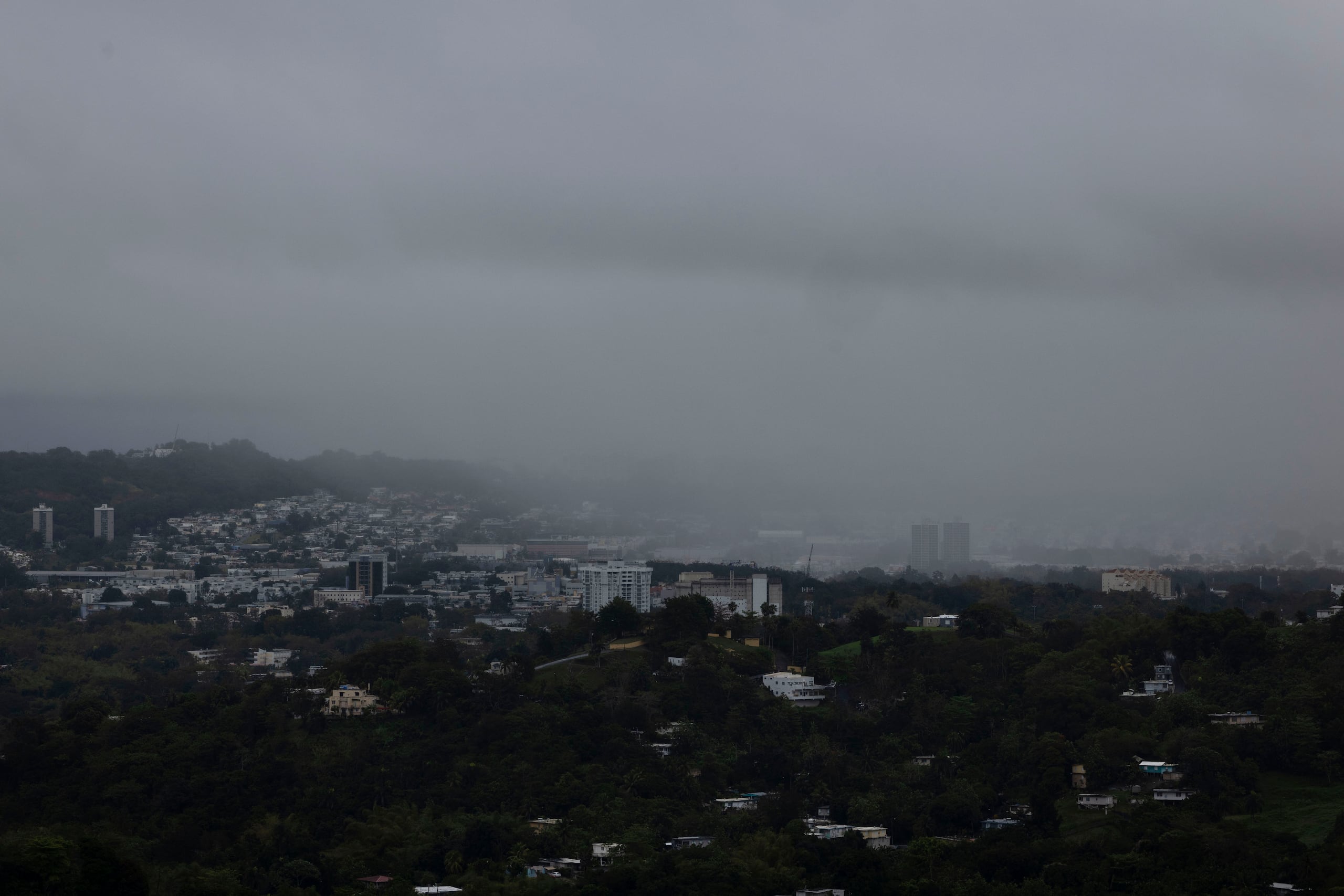
La Plata Reservoir Drops 60 Centimeters in a Week as Government Rules Out Rationing
CoquiList · With information from El Nuevo Dia
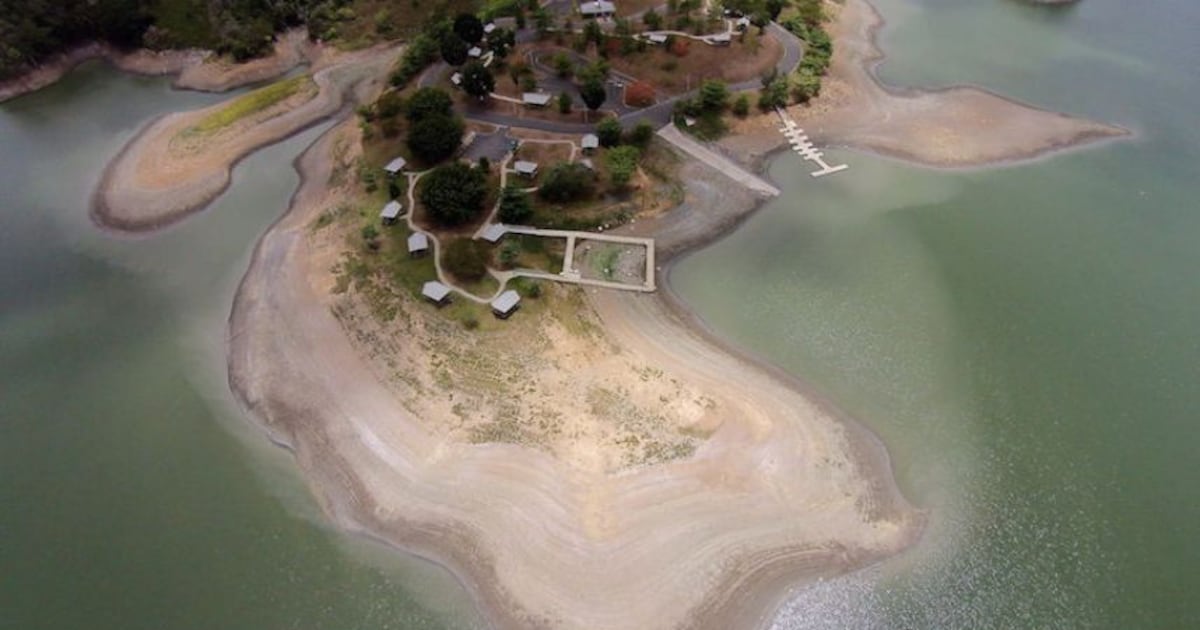
The La Plata reservoir, which supplies water to nine municipalities in the metro and northern areas, remains in free fall. Between September 22 and 27 it lost 33 centimeters, and over the full week the decline reached 60 centimeters, according to the daily monitoring report from the Puerto Rico Aqueduct and Sewer Authority (AAA) published by El Nuevo Dia 1. As of Tuesday, September 27, the reservoir's level stood at 44.39 meters, and it remains the only one of the island's 13 major reservoirs classified in the "operational adjustments" phase, the most serious alert level before authorities would consider formal rationing.
La Plata, located in Comerio, supplies Dorado, Guaynabo, Naranjito, Toa Alta, Toa Baja, Vega Alta, Bayamon, Cataño and Corozal, as confirmed by Metro Puerto Rico in its September 25 coverage 2. That day the reservoir had already dropped seven centimeters in 24 hours and 16 centimeters over three days, evidence that this isn't a one-off dip but a sustained decline of more than a week.
The numbers to watch
While La Plata plunges, the rest of Puerto Rico's reservoir system shows a mixed picture. Carraizo, which along with La Plata is among the most closely watched because it supplies the metro area, stayed relatively stable between 40.63 and 40.68 meters during the same week, in the less severe "security" phase 12. Other reservoirs like Matrullas and Guajataca lost 15 and 17 centimeters respectively in a single day, while Rio Blanco and Fajardo rose 23 and 16 centimeters thanks to localized rain 2. Of the 13 reservoirs the AAA reports on daily, most declined in the most recent cycle, a sign that water stress remains widespread even though Puerto Rico exited the extreme drought (D3) category in recent weeks, according to the U.S. Drought Monitor 3.
The National Weather Service in San Juan has no active drought or flood advisories at the moment, but its latest forecast discussion anticipates a "wetter pattern with increasing flooding concern" toward the end of this week from a possible tropical wave, which could partially relieve some interior reservoirs if the rain is consistent 4.
What this means for you
If you live in Dorado, Guaynabo, Naranjito, Toa Alta, Toa Baja, Vega Alta, Bayamon, Cataño or Corozal, your water depends directly on La Plata. Right now the AAA has not announced rationing or scheduled service interruptions, but "operational adjustments" is the step immediately before tougher measures if the decline continues without significant rain. This isn't a moment for panic, but it is a moment to change habits before the situation worsens.
How to do it / Checklist
- Check reservoir levels daily on the AAA's website (acueductos.pr.gov) or through the daily monitoring reports published by local media to see if your municipality is on the at-risk list.
- Cut back on water use during peak hours (6:00-9:00am and 5:00-8:00pm) when system demand is highest.
- Check for leaks in toilets, faucets, and exposed pipes; a small leak can waste hundreds of gallons a month.
- If you have a cistern or storage tank, keep an emergency supply of at least three days of bottled water per person.
- Avoid hosing down cars or sidewalks while your reservoir remains in the operational adjustments phase.
- Follow the official AAA and Emergency Management Bureau (NMEAD) accounts for alerts on unscheduled outages.
What comes next
The AAA will continue its daily monitoring of the 13 reservoirs, and the next critical threshold to watch is whether La Plata falls below levels that would trigger formal rationing in the nine municipalities it supplies. Puerto Rico's Drought Committee, which includes the AAA and the Department of Natural and Environmental Resources (DRNA), meets periodically to evaluate whether current measures are sufficient. The possible tropical wave the National Weather Service anticipates for later this week could bring useful rain to the interior, but also carries flash-flood risk if it arrives all at once. CoquiList will keep tracking the daily reservoir monitoring reports and update if the AAA announces changes to La Plata's status.
Sources
- El Nuevo Dia, "Monitoreo diario: La Plata ha perdido 33 centimetros de agua en cinco dias" (September 27, 2026) - https://www.elnuevodia.com/noticias/locales/notas/monitoreo-diario-la-plata-ha-perdido-33-centimetros-de-agua-en-cinco-dias/
- Metro Puerto Rico, "La Plata pierde siete centimetros y se mantiene en fase de ajustes operacionales" (September 25, 2026) - https://www.metro.pr/noticias/2026/09/25/la-plata-pierde-siete-centimetros-y-se-mantiene-en-fase-de-ajustes-operacionales/
- U.S. Drought Monitor / NIDIS, Puerto Rico drought map (updated September 24, 2026) - https://droughtmonitor.unl.edu/CurrentMap/StateDroughtMonitor.aspx?PR
- National Weather Service, San Juan Forecast Office, forecast discussion (September 29, 2026) - https://www.weather.gov/sju/
Sources
CoquiList summary and local context. Read the linked sources for the original reporting.
Ask about this story
Ask anything about this article — in English or Spanish.
Log in to ask about this story.
Comments (0)
Log in to join the conversation.
No comments yet — be the first.