DRNA fines CODEPOLA shooting range $61,000 in Salinas after five years of community complaints
CoquiList · With information from NotiCel
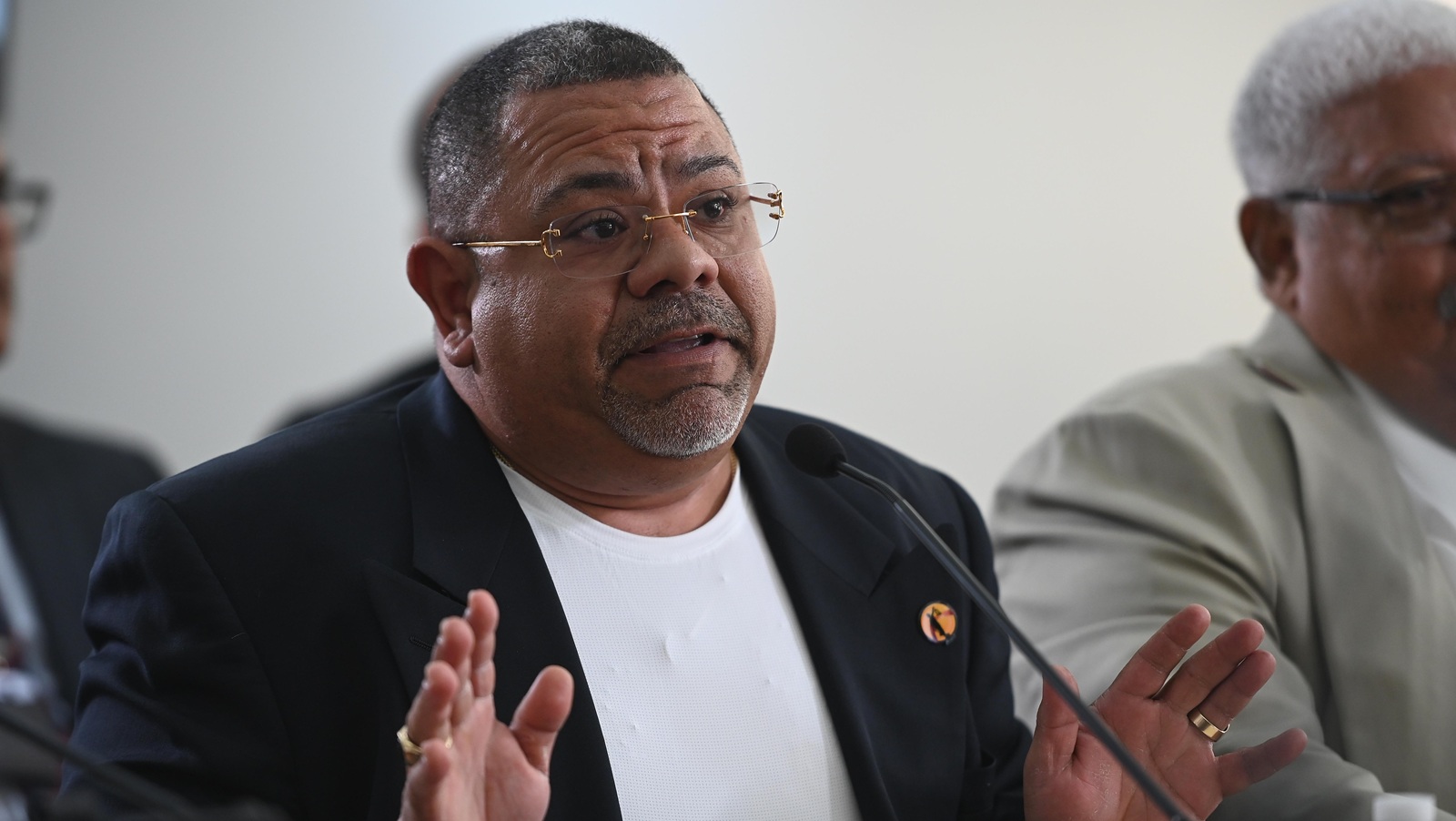
The Department of Natural and Environmental Resources (DRNA) reached an agreement on September 17, 2026, imposing more than $61,000 in fines and mitigation measures against those responsible for building an unpermitted shooting range in the Ranchos Guayama community in Salinas 1. The case, which carried five years of neighborhood complaints, involves Ariel Torres Melendez, president of the Corporacion para la Defensa del Poseedor de Licencia de Armas de Puerto Rico (CODEPOLA), and Roberto Ramos Colon 12.
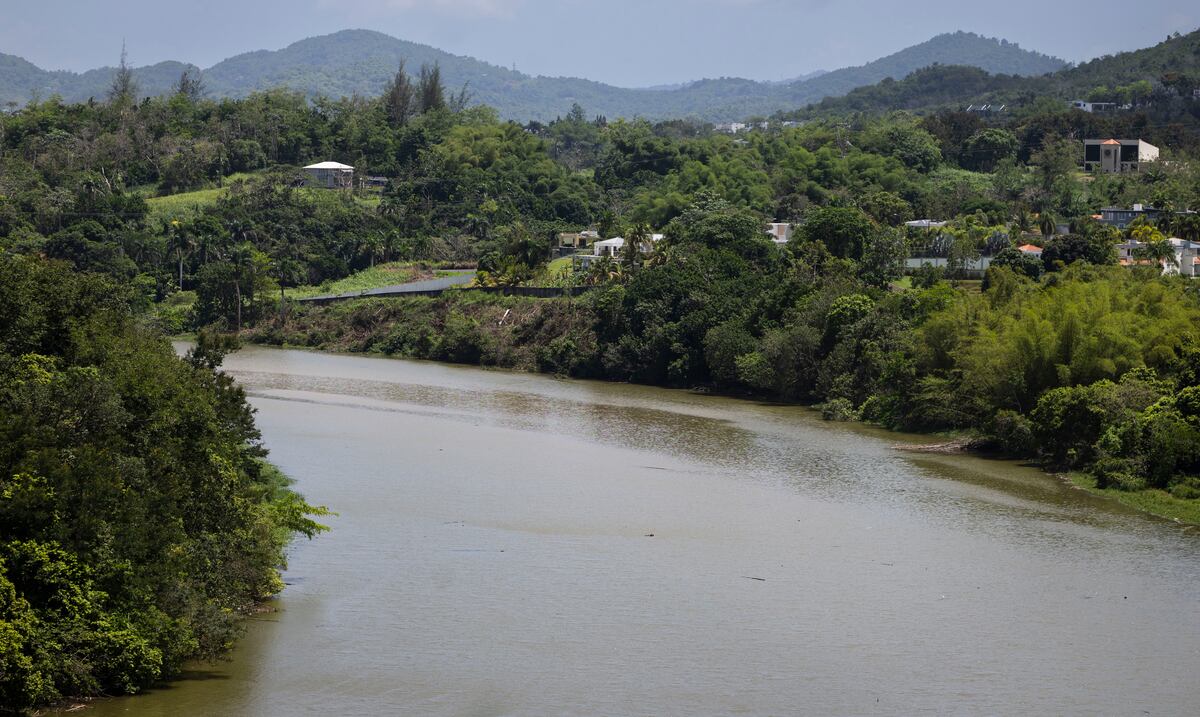
It all began in 2021, when CODEPOLA started building what it promoted as the largest shooting range in the Caribbean on land near the Ranchos Guayama community 4. From the outset, residents of the area reported that the work was proceeding without the required permits and voiced concern over the project's effect on neighborhood tranquility and, above all, on the south aquifer of Puerto Rico, one of the island's main underground water reserves 4. The community, organized alongside Accion Social y Proteccion Ambiental (ASPA), became an intervening party in the DRNA's administrative process 1.
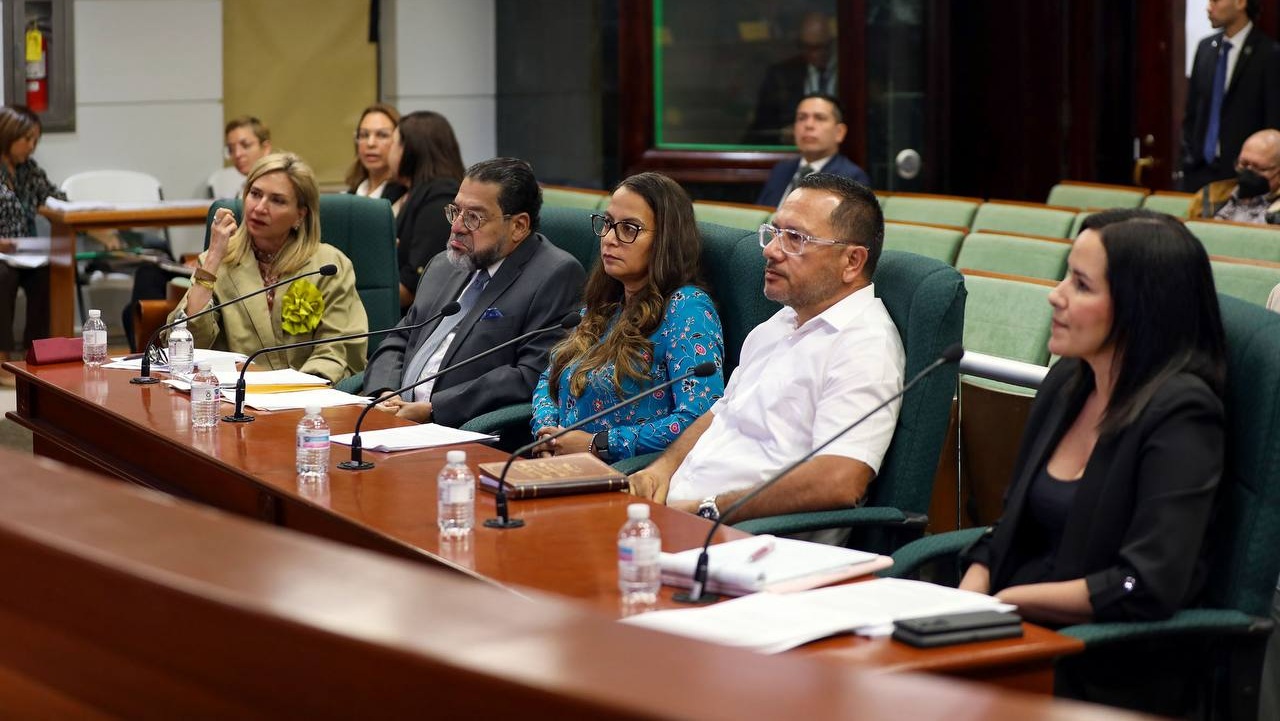
DRNA's investigation determined that Torres Melendez and Ramos Colon carried out excavation, removal, filling, and material-deposit work; tree cutting and felling; and drilling of a water well, all without the authorization required by the agency 12. Mildred Sotomayor Bourbon, DRNA's public interest representative, took part in the negotiations that led to the final agreement, along with attorneys Jose Colon Perez and Segundo Melendez Zayas 1.
The numbers behind the agreement
The administrative settlement establishes a $25,000 fine against the two respondents, a $29,000 contribution toward an Environmental Mitigation Plan, and an additional $7,000 to cover expert and technical costs tied to regularizing the water well built without a permit, for a total exceeding $61,000 12. As part of the mitigation, those responsible must plant and protect 112 native trees, including bayahonda, hoja menuda, and escambron, species typical of the dry coastal forest of the island's south 12. The agreement includes a five-year monitoring period to verify the survival of those trees and compliance with the environmental conditions imposed 12. Jose Cora Collazo, ASPA's president, hailed the outcome: "This result shows that it was worth insisting and not giving up. It was five years of complaints, efforts, meetings, and community work" 3. Additional statements about the neighborhood fight noted that throughout the process "political colors didn't matter; what mattered was our home, our people, and our natural areas" 1.
What this means for you
If you live near a construction, agricultural, or commercial project that seems suspicious -- tree clearing, earthmoving, well drilling -- this case confirms that DRNA can act, even if it takes years, when a community documents and follows up consistently. It's also a reminder that the dry coastal forest of the south, with species like bayahonda and escambron, plays a real role in protecting the aquifer that supplies several municipalities in that region, and that destroying it without permits carries concrete legal consequences, not just environmental ones. For communities organized around Ranchos Guayama, Salinas, and neighboring municipalities, the agreement sets a precedent that sustained pressure on the regulatory agency can translate into financial penalties and enforceable ecological restoration.
How to do it / Checklist
- If you notice tree cutting, earthmoving, or well drilling without visible permit signage, take dated photos and video before filing a report.
- File a formal complaint with DRNA through its Vigilantes hotline or the regional office covering your municipality; keep the assigned case number.
- Document any impact on nearby water sources (wells, streams, wetlands) if you suspect an aquifer or body of water is at risk.
- Organize with neighbors and seek to become an intervening party in the administrative process, as ASPA did in this case, to gain access to hearings and case documents.
- Follow up publicly on the case through environmental organizations or local media; sustained pressure over years was key to reaching the agreement in Ranchos Guayama.
- If a project near you involves cutting native trees, ask DRNA for a copy of the approved Environmental Mitigation Plan to verify that the agreed planting and monitoring actually happen.
What's next
The agreement now enters its compliance phase, with the five-year monitoring of the planting and survival of the 112 native trees as the main verifiable condition 12. It remains to be seen whether CODEPOLA's shooting range will continue operating under regularized permits or face new scrutiny if the community detects non-compliance. The case is also shaping up as a reference point for other communities in southern Puerto Rico facing similar projects near aquifer recharge zones, at a time when the region is also grappling with drought concerns and pressure on its underground water reserves.
Sources
CoquiList summary and local context. Read the linked sources for the original reporting.
Ask about this story
Ask anything about this article — in English or Spanish.
Log in to ask about this story.
Comments (0)
Log in to join the conversation.
No comments yet — be the first.