DRNA Grants Permit to Florida Company to Export Skins and Meat from Invasive Pythons and Caimans
CoquiList · With information from El Nuevo Día
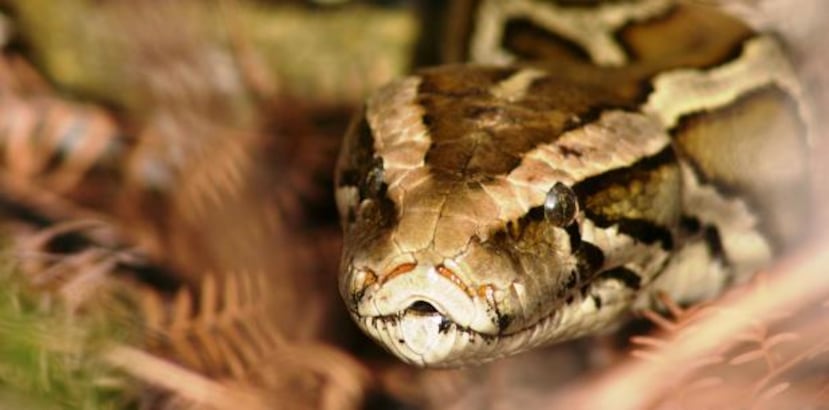
Puerto Rico's Department of Natural Resources and Environment (DRNA, its Spanish acronym) confirmed it has already issued a permit to a Florida-based company to operate a capture, processing and export business in Puerto Rico for skins and meat from reticulated pythons, caimans and other invasive exotic species. DRNA Secretary Waldemar Quiles Pérez revealed the development on September 29 during an interview on the program "Lo de Hoy," clarifying that the company is still in the financing stage before it can begin formal operations on the island 1.
"That permit was granted... It's in the financing process... This is a company that has done this in the United States," Quiles Pérez said, adding that reticulated pythons have effectively become part of Puerto Rico's ecosystem and that DRNA wants to turn the problem into a controlled management industry 1.
The move does not come out of nowhere. Puerto Rico has spent more than a decade dealing with established populations of boa constrictors (native to South America) in the western part of the island, along with reticulated pythons, ball pythons and caimans that have escaped or been released by exotic pet owners. Back in June 2024, DRNA had already authorized unlimited hunting of five exotic snake species: the boa constrictor, the reticulated python, the ball python, the striped-backed racer snake and the garter snake, precisely because traditional control tools were not enough to slow their spread 1.
The numbers
The scale of the problem was documented just in July of this year, when DRNA's Rehabilitation Center for Native Species and Management of Exotic Species in Arecibo captured 99 exotic animals in a single holiday weekend: 80 boa constrictors, 4 reticulated pythons, 3 caimans captured in the San Juan region, and 4 Venezuelan troupial birds removed from a residence in Guayama on suspicion of illegal trafficking, plus 8 native Puerto Rican boas rescued in the same operation 2. Quiles Pérez himself celebrated the figure and credited Lieutenant Ángel Atienza, the center's director, for the haul 2.
The underlying challenge is institutional capacity. At December 2024 transition hearings, then-acting Secretary Roberto Méndez Martínez warned that DRNA operates with 1,181 employees out of a staffing plan that should have 879 additional positions filled, with critical shortages of biologists, chemists and surveyors. Méndez Martínez proposed reinforcing the Wildlife Division with at least two rangers per each of DRNA's seven regions, along with random inspections at pet stores, animal fairs and online sales, plus better coordination with customs at ports and airports 3.
The permit granted to the Florida company fits that same logic: if the state doesn't have the muscle to eradicate invasive species on its own, the bet is to build a legal market that pays to pull them out of the wild.
What this means for you
If you live in areas where boas, pythons or caimans have been reported — particularly western Puerto Rico, the metro area, and coastal zones with canals and lakes — this permit does not immediately change what you should do if you encounter one of these animals: the standing rule is still not to handle it yourself and to notify DRNA. What could change is that, if the company secures financing and begins operations, there may be a stronger financial incentive for authorized hunters and the agency itself to remove animals on a sustained basis, instead of relying on one-off operations like the Arecibo sweep. For exotic pet owners, the message is equally direct: releasing a python, boa or caiman into the wild because you no longer want it is illegal, and it is precisely what fueled this crisis in the first place.
How to do it / Checklist
- If you spot a loose python, boa or caiman, don't try to catch or kill it yourself: keep your distance, note the exact location, and notify DRNA through drna.pr.gov or the agency's official social media channels.
- If you have an exotic pet you can no longer care for (python, boa, iguana, caiman), don't release it into a body of water or green space; contact DRNA about legal surrender or rehoming options.
- Report suspicious sales of exotic species without a permit at fairs, pet stores or on social media to DRNA; the agency has flagged online sales monitoring as a weak point that needs more citizen tips.
- If you work in fishing, farming or land management in areas with boas or pythons, familiarize yourself with the unlimited-hunting order that has been in effect for those five species since June 2024 before acting on your own.
- Follow the operations and statistics from the Rehabilitation Center for Native Species and Management of Exotic Species in Arecibo to know which areas have the most capture activity.
What comes next
The next milestone is financial, not regulatory: the permit has already been issued, but the Florida company still needs to close financing before it can commercially capture, process and export. DRNA has not given a start date for operations and has not publicly identified the company. In the meantime, the agency continues to rely on field operations like July's sweep in Arecibo and the 2024 unlimited-hunting order to contain existing populations, even as it acknowledges it is short hundreds of positions for rangers, biologists and technical staff. CoquiList will keep following the story as the financing process moves forward and as any formal announcement of operations is made.
Sources
- El Nuevo Día, "DRNA expide permiso para empresa que manejaría pitones, caimanes y otras especies exóticas invasoras," September 29, 2026 — https://www.elnuevodia.com/noticias/locales/notas/drna-expide-permiso-para-empresa-que-manejaria-pitones-caimanes-y-otras-especies-exoticas-invasoras/
- Primera Hora, "Activo el DRNA: Capturan 99 especies exóticas en el fin de semana feriado" — https://www.primerahora.com/noticias/gobierno-politica/notas/activo-el-drna-capturan-99-especies-exoticas-en-el-fin-de-semana-feriado/
- Primera Hora, "DRNA propone plan para acabar con animales exóticos" — https://www.primerahora.com/noticias/gobierno-politica/notas/drna-propone-plan-para-acabar-con-animales-exoticos/
- Puerto Rico Department of Natural Resources and Environment (DRNA), official site — https://www.drna.pr.gov/
Sources
CoquiList summary and local context. Read the linked sources for the original reporting.
Ask about this story
Ask anything about this article — in English or Spanish.
Log in to ask about this story.
Comments (0)
Log in to join the conversation.
No comments yet — be the first.