Housing Dept. revokes reconstruction approvals in Villa Esperanza, Toa Alta -- mayor secures case-by-case review
CoquiList · With information from Primera Hora
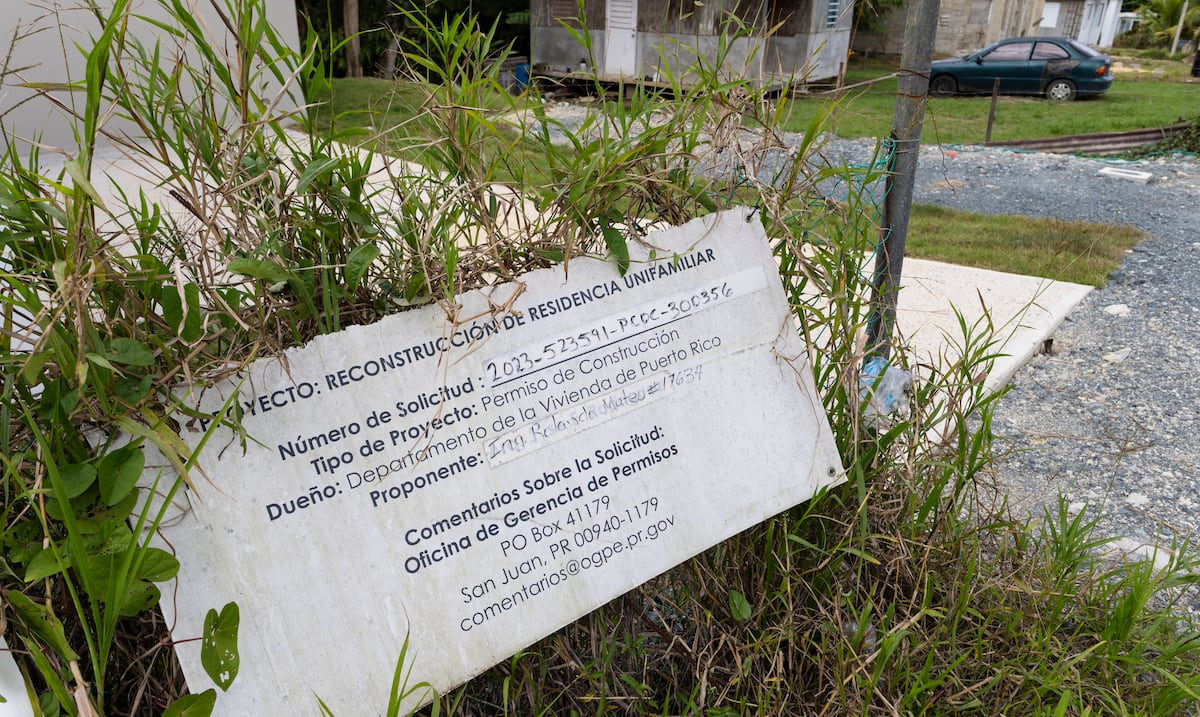
Families in the Villa Esperanza community of Toa Alta who had spent months advancing through the housing reconstruction process received letters from Puerto Rico's Department of Housing informing them that their approvals had been revoked 1. The reason cited by the agency: lack of electrical infrastructure from LUMA Energy in their sector. What makes this alarming is that these families had already completed every required step -- they obtained property titles, passed soil tests, completed construction plans, and even selected their home models.
After the families raised the alarm, Toa Alta Mayor Clemente "Chito" Agosto met with Housing Secretary Luis Augusto Martinez Roman and secured a commitment for individual, case-by-case reevaluation of every affected family 1.
Background: the R3 program and CDBG-DR funding
The R3 program (Repair, Reconstruction, or Relocation) is the Puerto Rico government's primary tool for rebuilding homes damaged by hurricanes Irma and Maria in 2017. It is funded through federal CDBG-DR (Community Development Block Grant - Disaster Recovery) dollars and administered by the Department of Housing 23. To qualify, residents must go through a lengthy process: verify eligibility, obtain a property title, complete soil tests, develop architectural plans, and select a house model.
The Villa Esperanza families completed every one of those steps. According to the complaint filed by Mayor Agosto, residents invested considerable time and effort meeting each requirement, only to receive a letter revoking their approval over a factor entirely outside their control -- the absence of electrical grid service from LUMA Energy 1.
The facts and the inconsistency
What makes this case particularly egregious is the uneven application of criteria. Other families within the same Villa Esperanza community, under the same electrical infrastructure conditions, did receive funding and have already completed or are in the process of completing their reconstruction projects 1. This means the Department of Housing applied a retroactive standard to some families but not to others in the same neighborhood.
Mayor Agosto was unequivocal in his position: "If the electrical criterion applies, it must be uniform, and the solution cannot be withdrawing help from those who already qualified, but extending it to those meeting the same requirements" 1.
The Department of Housing, which administers 328 public housing complexes through 16 managing agencies and oversees multiple assistance programs 2, has not publicly explained why the electrical infrastructure criterion was applied selectively.
What this means for you
If you are a participant in the R3 program or any other Housing reconstruction program, this case sets an important precedent. The agency cannot arbitrarily revoke approvals when families under identical conditions have already received aid. You have the right to request reconsideration if your case was denied or revoked, and the deadline for doing so has been extended thanks to Mayor Agosto's advocacy.
This case also highlights a systemic problem: the lack of coordination between LUMA Energy and federal reconstruction programs. If LUMA has not installed electrical grid infrastructure in your community, that should not be grounds for canceling your home reconstruction -- especially when you have already met every program requirement.
How to take action / Checklist
-
Review your correspondence from the Department of Housing. If you received a revocation letter, identify the specific reason cited and the deadline for requesting reconsideration.
-
Gather all your documentation: original approval letter, property title, soil test results, approved plans, and any prior communications with the agency.
-
File a formal reconsideration request with the Department of Housing. The deadline has been extended, but do not wait -- submit it as soon as possible.
-
Contact your mayor's office. The Toa Alta case shows that municipal intervention can open doors. Your municipality can advocate for you directly with the Housing Secretary.
-
Document whether other neighbors in your same community, under the same infrastructure conditions, did receive funding. Evidence of uneven application strengthens your case.
-
For direct guidance, contact the Department of Housing at (787) 274-2527 or email [email protected] 2.
What comes next
The Department of Housing committed to sending personnel to Villa Esperanza alongside LUMA Energy representatives and other government agencies to assess community conditions and listen to residents 1. These visits represent an opportunity for families to present their cases directly.
The outcome of these reevaluations could have implications far beyond Toa Alta. If the Department acknowledges that the absence of LUMA electrical infrastructure is not a valid reason to revoke approvals, this would benefit communities across the island facing the same obstacle. Puerto Rico still has sectors without reliable electrical service nearly nine years after Maria, and tying home reconstruction to LUMA's pace leaves the most vulnerable families in indefinite limbo.
Sources
1 Primera Hora, "Departamento de Vivienda reevaluaria caso por caso a las familias de Villa Esperanza en Toa Alta," August 2, 2026.
2 Puerto Rico Department of Housing, official portal (vivienda.pr.gov).
3 CDBG-DR Recovery Portal, R3 Program (recuperacion.pr.gov).
CoquiList summary and local context. Read the linked sources for the original reporting.
Ask about this story
Ask anything about this article — in English or Spanish.
Log in to ask about this story.
Comments (0)
Log in to join the conversation.
No comments yet — be the first.