Sellers who reject federal housing vouchers will face fines up to $5,000
CoquiList · With information from NotiCel
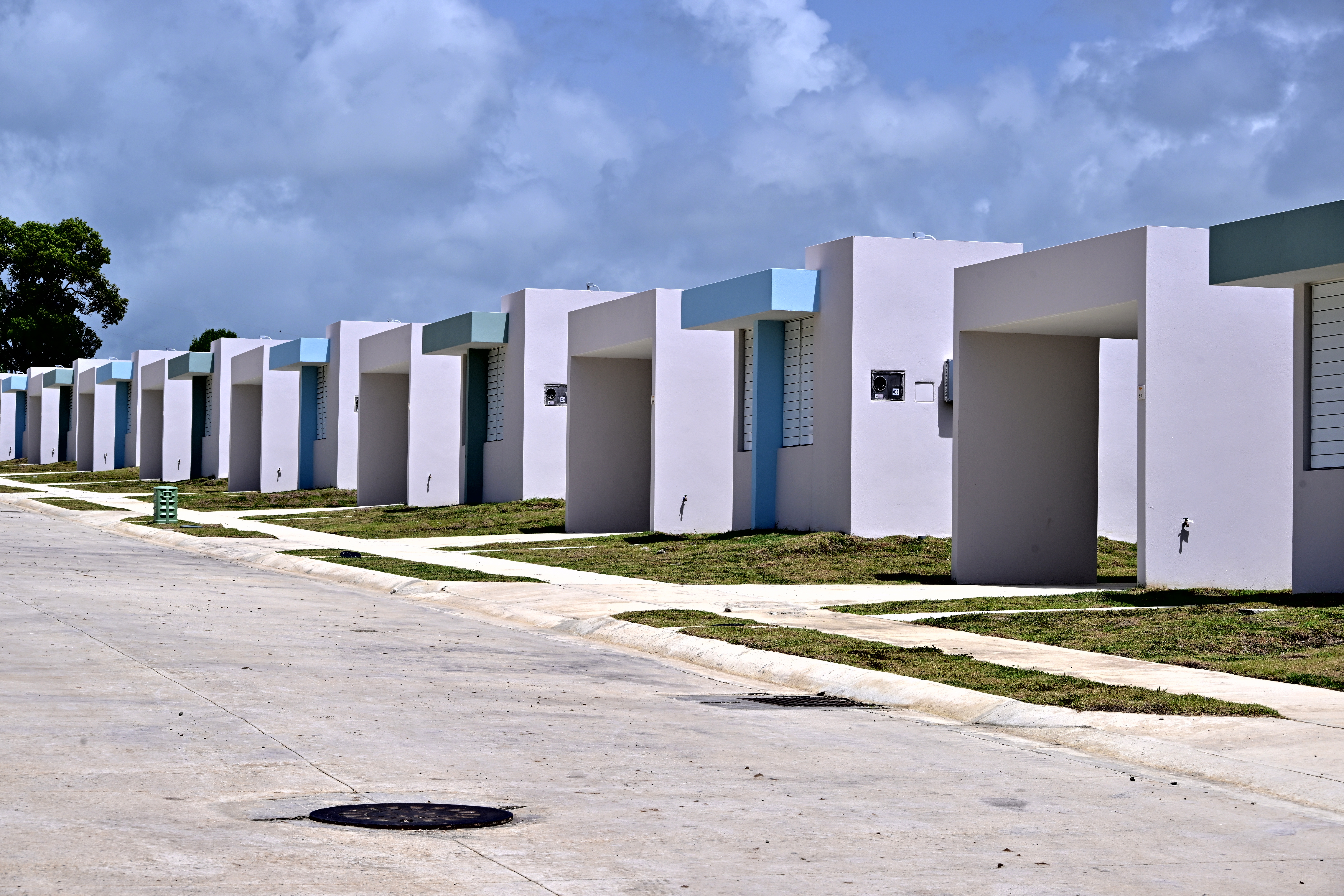
Thousands of Puerto Rican families who survived hurricanes María and Fiona have approved federal funds to buy a home -- but when they arrive to close the deal, sellers slam the door. Senate Bill 679, which has already passed both legislative chambers, awaits Governor Jenniffer González's signature to make that rejection a discriminatory practice punishable by fines 1.
The problem: you have the money but they won't let you use it
The Reconstruction, Repair, and Relocation program (R3), funded with federal CDBG-DR dollars, allocated $2.175 billion to help disaster-affected families purchase safe housing. But according to data from Puerto Rico's Housing Ombudsman cited in the bill, 78% of complaints filed in 2023 involved sellers rejecting federal recovery vouchers 1.
The hardest number: 66% of R3 beneficiary families have been unable to complete their home purchase because sellers refuse to accept the federal funds 1. These are people who already qualified, whose assistance is approved, who completed all the paperwork -- and they're stuck in limbo because the property owner won't deal with the process.
This is happening as Puerto Rico's housing demand exceeds 30,000 units according to the Department of Housing 2. There's a massive home deficit, and the few available properties close their doors to anyone bringing federal money.
What PS 679 brings
The measure, introduced by Senate Vice President Carmelo Ríos Santiago with seven co-sponsors, establishes concrete changes 1:
Direct prohibition: Classifies rejection of federal recovery program vouchers as a discriminatory practice in housing sales.
Real fines: Penalties of $1,000 to $5,000 per documented violation.
Complaint channel: Creates a formal mechanism to file grievances through the Department of Housing.
Tax incentive: Sellers who accept certified recovery program buyers receive a preferential capital gains rate of just 2% -- a significant discount that makes accepting vouchers good business, not a sacrifice.
Limited exemptions: Religious entities and private sellers without brokers are exempt, unless they own two or more housing units.
The estimated fiscal impact is $8 million annually, combining fine revenue and the tax incentive cost 1. The bill has backing from the Department of Housing, the Municipal Mayors Association, and the Puerto Rico Association of Realtors 1.
What it means for you
If you're a beneficiary of the R3, CDBG-DR, or any federal housing recovery program, this law protects you directly once the governor signs it:
- They can't reject you for bringing federal vouchers. Sellers who do face fines up to $5,000.
- You have an official channel to report discrimination through the Department of Housing.
- The seller has incentive to accept you: that preferential 2% capital gains rate makes it economically advantageous.
If you're a seller, the math changes. Accepting federal vouchers doesn't just avoid fines -- it gives you a real tax advantage. And if you're a real estate broker, start advising your seller clients now, because fines go directly to whoever discriminates.
How to act / Checklist
- Confirm your R3 status: Call 1-833-234-CDBG or visit the program office to verify your voucher is active and funds are available.
- Document everything in writing: If a seller rejects you for using federal vouchers, save text messages, emails, and any written communication. That will be key evidence once the law takes effect.
- Learn the complaint process: Visit vivienda.pr.gov or call the Department of Housing to understand how to file a formal complaint under the new law.
- Seek professional guidance: The Housing Financing Authority (AFV) offers free pre-qualifications and counseling on all available programs 2.
- Work with a certified broker: A real estate professional can identify willing sellers and facilitate closings with federal funds.
- If you're a seller, consult your accountant: Ask about the preferential 2% capital gains rate. The tax benefit may well outweigh any inconvenience of the federal process.
What's next
The ball is in Governor González's court. If she signs PS 679, Puerto Rico sets a precedent as a jurisdiction that penalizes rejection of federal recovery funds in housing transactions.
The challenge comes after signing: implementation. The Department of Housing must build the complaint system, train staff, and enforce the fines. Without effective enforcement, the law stays on paper.
Meanwhile, $2.175 billion in R3 program funds remain in play. Every day those families can't close their purchases is another day in temporary housing, in deteriorated homes, or in the uncertainty that has now lasted nearly a decade since María. For the 66% of families who already have federal approval, this law could be the difference between homeownership and more waiting.
Sources
CoquiList summary and local context. Read the linked sources for the original reporting.
Ask about this story
Ask anything about this article — in English or Spanish.
Log in to ask about this story.
Comments (0)
Log in to join the conversation.
No comments yet — be the first.