Drought Dries Up Loíza Canal and Kills Every Fish: The Ecological Crisis Nobody Saw Coming
CoquiList · With information from Primera Hora
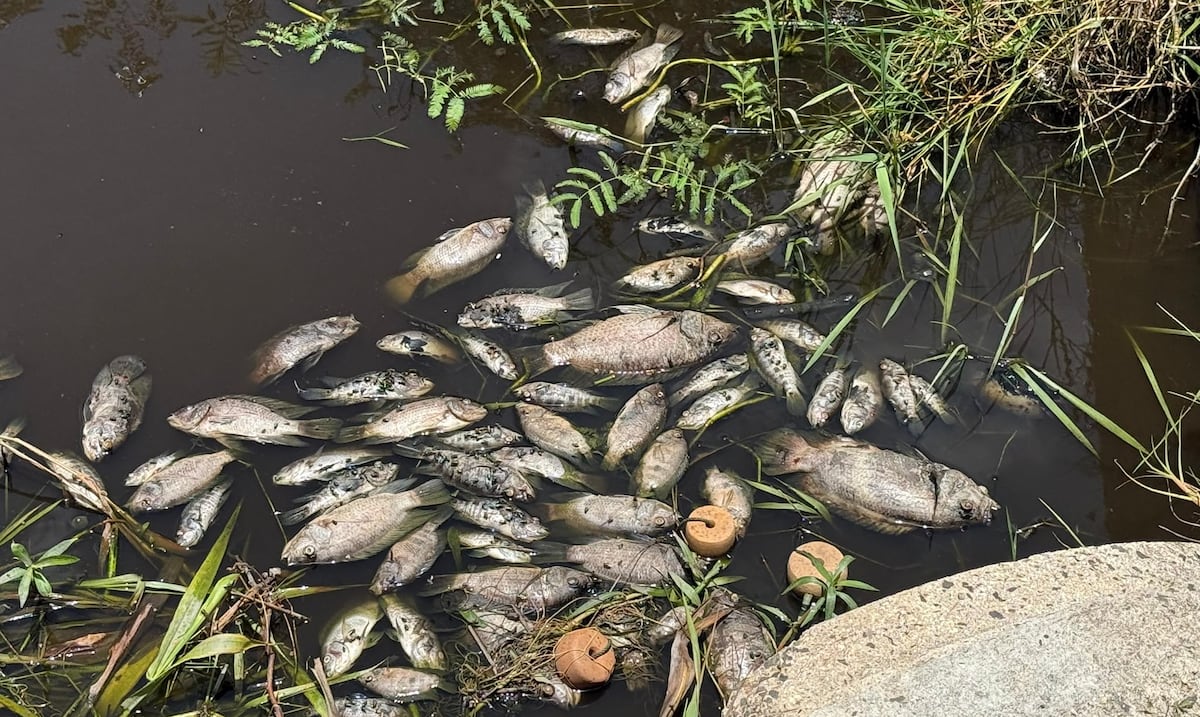
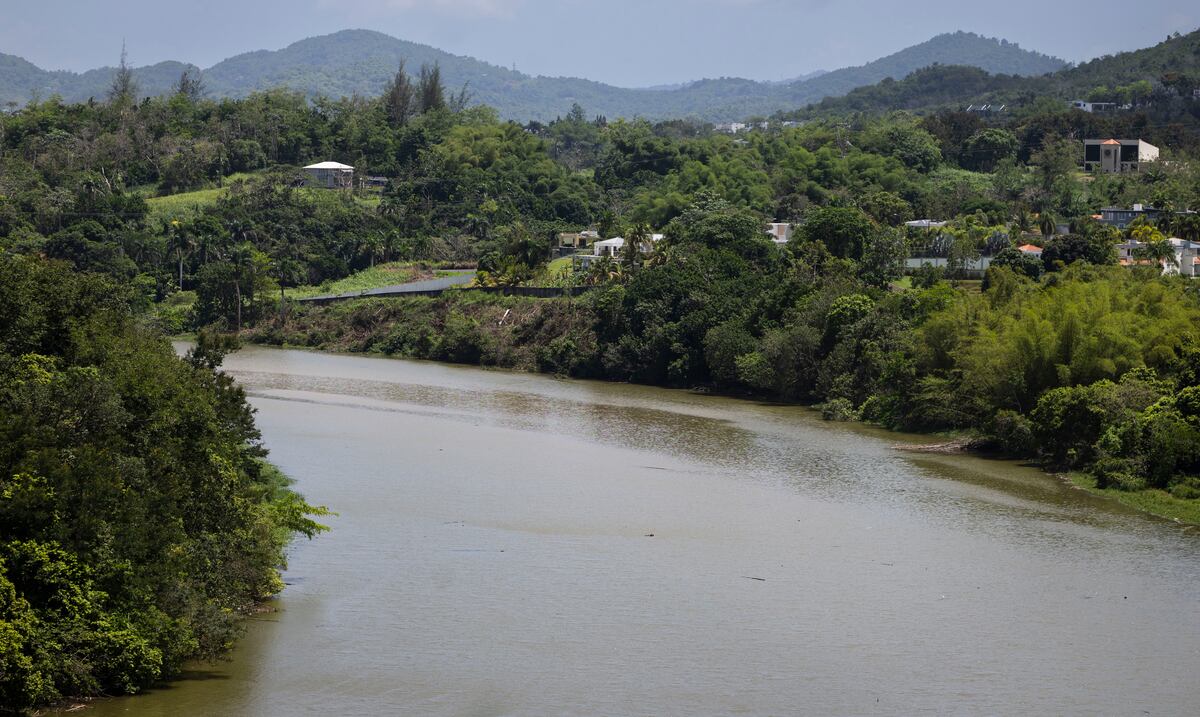
A canal that for decades flooded five communities in Loíza is now completely dry. Every fish living in it is dead. The Department of Natural and Environmental Resources (DRNA) spent Wednesday collecting the carcasses for burial in a mass grave 1. It is the starkest image yet of what July 2026's historic drought is doing to Puerto Rico's ecosystems.
Loíza Mayor Julia Nazario Fuentes confirmed the disaster: "I have the Villa Santos canal, which is a canal that regularly gives us problems because when the Carraízo dam opens it floods five communities... well it turns out it's completely dry and all the fish died" 1. A Villa Santos resident who has lived in the community for 50 years said he had never seen anything like it.
The Context: San Juan's Driest July in History
The fish kill in Loíza is not an isolated incident. It is the visible symptom of an unprecedented drought. According to the U.S. Drought Monitor, San Juan will close out July as its driest July on record and the fourth hottest 2.
The numbers are alarming:
- The island received less than 60% of normal precipitation over the past two months 2
- Southern and southwestern areas received less than 20% of their typical rainfall, a reduction of two to six inches 2
- El Yunque, a tropical rainforest, received 7 to 13 inches less rainfall than normal 2
- More than 30 municipalities are classified under severe drought (D2) 3
- 300 grass fires and forest fires have been reported this season, concentrated in the south and east 2
The southern plains from Cabo Rojo to Cidra are experiencing severe drought conditions (D2). The eastern and southern half of the island is under moderate drought (D1), while the north-central and northwest regions face abnormally dry conditions (D0) 2.
The Ecological Damage Goes Beyond Fish
The drought is devastating both agriculture and natural ecosystems across the island. In Canóvanas, premature loss of avocados and breadfruit is expected. Cacao trees are showing leaf yellowing. Plantain and banana crops are wilting from prolonged water stress 2.
In livestock areas, pasture growth has stagnated for an entire month, leaving forage completely dry. Citrus production has dropped below normal levels, and heat has triggered pest infestations 2. Coffee beans are ripening prematurely, affecting their quality and flavor 2.
Root-zone soil saturation is critically low across the southern and northern plains, according to Puerto Rico's Agricultural Water Administration 2. In the Patillas District, streams are contributing only 25% of their normal flow 2.
The Drought Monitor forecasts the agricultural consequences will run into the millions of dollars 2.
Meanwhile, in Loíza the potable water situation remains tense. Residents have endured three weeks of scheduled cutoffs from 10:00 p.m. to 5:00 a.m. 1. Piñones woke up without water again after several days of service 1. The municipality went from 100% moderate drought to 74.69% severe drought in just one week 1.
What This Means for You
The fish die-off in the Loíza canal is an alarm bell for the entire island. If a waterway that historically caused flooding can dry up completely, Puerto Rico's freshwater ecosystems are at serious risk. The probability of rainfall is 70% below normal from now through October 2, and El Nino will reduce tropical wave and cyclone activity, worsening the deficit 2. There is no relief in sight.
This means the island's freshwater bodies, rivers running at reduced flow, and irrigation systems on the brink of collapse will face additional months of pressure. Aquatic wildlife, crops, and pastures will continue to suffer.
How to Take Action / Checklist
- Report any fish or wildlife die-offs to the DRNA at (787) 999-2200 or through their website drna.pr.gov
- Conserve water to the fullest: shorten showers, fix leaks, reuse kitchen water for plants
- Don't waste water from open hydrants: report leaks to the AAA at (787) 620-2482
- If you're a farmer, check with your irrigation district about current rationing schedules
- Avoid burns and campfires: with 300 wildfires this season, any spark is a risk
- Monitor the U.S. Drought Monitor at droughtmonitor.unl.edu for your municipality
- Store potable water during service hours if you're in a rationing zone
- Water gardens and crops early in the morning or at dusk to reduce evaporation
What Comes Next
The forecast brings no good news. Unusually high temperatures and lack of rainfall will continue from August through October 2. The normal summer rainy season has not materialized, and El Nino is making it difficult for tropical waves to generate the precipitation the island desperately needs 2. If the drought persists at its current pace, more freshwater bodies could dry up, expanding the ecological crisis already visible in Loíza. The question is not whether this will get worse, but by how much.
Sources:
1 Primera Hora, "Mueren los peces en caño de Loíza tras quedar sin agua," July 30, 2026 2 Primera Hora, "San Juan cierra con el mes de julio más seco de su historia," July 30, 2026 3 Primera Hora, "Más de 30 pueblos ahora están bajo sequía severa," July 30, 2026 4 El Nuevo Día, "En fotos: así han empeorado las condiciones de sequía en Puerto Rico," July 30, 2026
Sources
CoquiList summary and local context. Read the linked sources for the original reporting.
Ask about this story
Ask anything about this article — in English or Spanish.
Log in to ask about this story.
Comments (0)
Log in to join the conversation.
No comments yet — be the first.