Puerto Rico Reaches Late September With Zero Atlantic Hurricanes: A Record Not Seen Since 1914
CoquiList · With information from WUSF/NPR
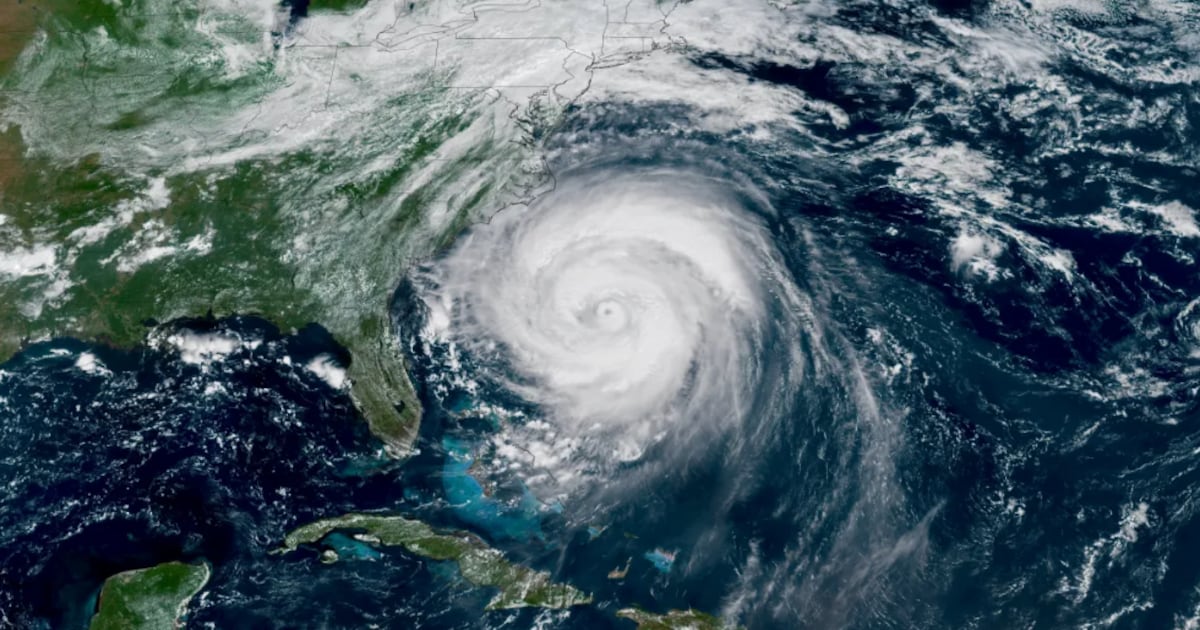
The Atlantic hurricane season reached September 25, 2026 without producing a single hurricane, something that had not happened this late in the calendar since 1914 1. Puerto Rico, which historically has taken its most devastating hits precisely between mid-September and October, remains for now outside the path of the two active Atlantic systems, tropical storms Fay and Gonzalo, neither of which poses a threat to the island 14.
Background
The season's climatological peak, September 10, has already passed without any system reaching the 74 mph sustained winds that define a hurricane 1. In an average season, the first Atlantic hurricane forms around August 11 1. This year, seven named storms — Arthur, Bertha, Cristobal, Dolly, Edouard, Fay and Gonzalo — have formed and dissolved or weakened without crossing that threshold 12. According to the National Hurricane Center (NHC), only 1907 and 1914 recorded entire seasons without a single hurricane since reliable records began in 1851, and the latest first hurricane ever documented formed on October 8, 1905 2. Meteorologists point to record-level wind shear over the tropical Atlantic, combined with dry air, as the factors that have been tearing storms apart before they can organize 1.
The numbers
- Zero Atlantic hurricanes as of September 25, 2026; the hurricane-free streak has not been seen since 1914 1.
- Seven named storms so far this season, none above 50 mph sustained winds 14.
- Tropical Storm Fay: 50 mph, meandering in the central Atlantic between Bermuda and the Azores; forecast to weaken to a remnant low in the coming days 4.
- Tropical Storm Gonzalo: formed Thursday near Cabo Verde with 45 mph winds; models keep it close to Africa, unable to strengthen into a hurricane due to wind shear, cooler waters and dry air 14.
- The next name on the list, should another storm form, is Hanna; the NHC does not anticipate significant tropical development in the next ten days 1.
- NOAA's updated forecast (August 26): 7 to 13 named storms, 2 to 6 hurricanes and no more than 2 major hurricanes for the full season, with a 75% chance the season finishes below the historical average 3.
- Puerto Rico's emergency management agency is monitoring 55 flood-control structures and 4 dams on the island, with a $1.4 million dike maintenance plan underway 3.
What This Means For You
A low storm count does not equal low risk for Puerto Rico. National Weather Service director Ken Graham put it plainly: "it only takes one storm for the season to turn out very bad" 3. NHC director Michael Brennan has likewise urged everyone to prepare every year as if the storm were going to hit their own house 3. Puerto Rico's recent history backs up that warning: Hurricane Hugo (1989), Hurricane Georges (1998), Hurricane Maria (2017) and Tropical Storm Fiona (2022) all struck the island precisely between mid- and late September — exactly the calendar window in which no system is currently threatening 2. Hurricane season does not end until November 30, and October, with Caribbean waters still warm, has historically produced some of the fastest-forming, least predictable systems 12.
How To Do It / Checklist
- Restock your emergency kit: water for seven days, medications, batteries, a radio and cash, even with no storm in sight.
- Check your generator and have fuel and oil on hand before gas stations run short.
- Trim trees and clear gutters near your home; it reduces damage if strong wind arrives later in the season.
- Confirm your property insurance policy and consider flood insurance if you live in a low-lying area.
- Turn on National Weather Service and NMEAD alerts on your phone for October and November.
- Locate the shelter closest to your home and agree with your family on a meeting point if communications fail.
- If you live near one of the 55 flood-control structures or dams the emergency management agency monitors, learn your community's specific evacuation plan.
What's Next
Neither Fay nor Gonzalo poses a direct threat to Puerto Rico, and the NHC identifies no other system developing in the Atlantic over the next ten days 14. Even so, October tends to be the month when fast-developing storms form closer to the Caribbean, with less warning time than the typical tropical waves of August and September 2. Meteorologists will keep watching the western Atlantic and the Caribbean Sea for any sign of organization in the coming weeks, as the island heads toward the season's close on November 30 13.
Sources
- Tropical Storm Gonzalo forms as historic Atlantic hurricane drought continues, WUSF/NPR, September 25, 2026
- Temporada de huracanes 2026 alcanza septiembre sin producir su primer huracán, Metro Puerto Rico, September 12, 2026
- "Tranquila" pero riesgosa: lo que dice NOAA de los huracanes 2026, El Tiempo Latino, August 26, 2026
- National Hurricane Center, Atlantic tropical outlook, September 25, 2026
Sources
- 1.WUSF/NPR
CoquiList summary and local context. Read the linked sources for the original reporting.
Ask about this story
Ask anything about this article — in English or Spanish.
Log in to ask about this story.
Comments (0)
Log in to join the conversation.
No comments yet — be the first.