Puerto Rico Under Red Flag Warning as Wildfire Risk Spikes at the Peak of the Drought
CoquiList · With information from Metro Puerto Rico
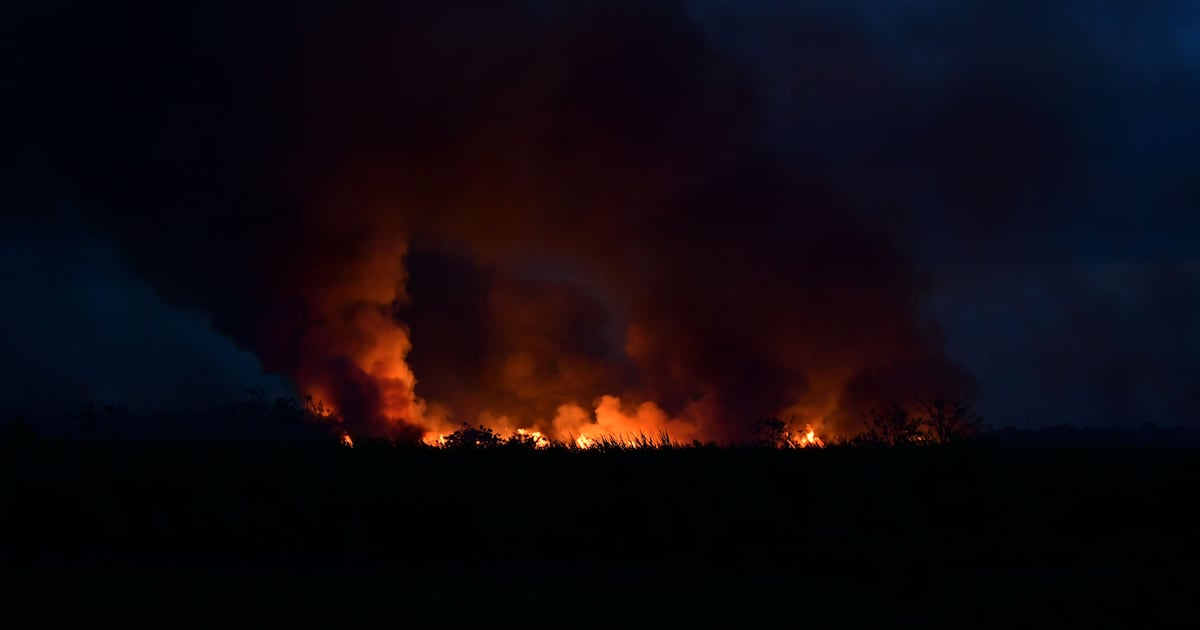
The National Weather Service in San Juan issued a Red Flag Warning on Saturday, August 15, for southern Puerto Rico and Vieques, in effect until 5:00 p.m. that day, as winds of 15 to 25 mph with gusts over 35 mph combined with relative humidity at 50% or below — exactly the mix wildfires need to ignite and spread fast 1. The warning came just six days after firefighters battled a forest fire in the Susúa Baja neighborhood of Guánica, where flames burned through a hard-to-access brush area and forced an alert for the nearby Arenas sector because of smoke 3.
The pattern is not an isolated incident. In the Mayagüez Fire District, which covers Cabo Rojo, Lajas, Sabana Grande and San Germán, wildfires have been climbing for months. By early August, the Cabo Rojo town station had already responded to 28 wildfires so far this year, while the Boquerón station logged 42, according to Sergeant Carlos Almodóvar of the Puerto Rico Fire Department 2. Lajas Station supervisor José Martínez explained that vegetative fuel — the dry brush that feeds the flames — has lost its green color because of the prolonged drought, and that the easterly and southeasterly winds typical of this season make fires harder to put out quickly 2.
The numbers behind the risk
Puerto Rico's official wildfire season runs from February 2 through August 31, and this year it arrived alongside unusually dry conditions dating back to June, a month that normally brings more rain 2. By early July, the Fire Department had already responded to more than 1,100 wildfires across the island, about 89 more than the same period in 2025, with the island relying on six specialized forest brigades based in Juncos, Ponce, Guánica, Lajas, Cabo Rojo and Camuy 4. According to Martínez, 95% of wildfires in Puerto Rico are human-caused, whether intentional or through carelessness, and the most common trigger is burning trash, which is illegal 2. The August 15 red flag warning specifically covered the southwest and southeast sectors of the island plus Vieques — the same strip where the busiest fire stations are concentrated this year 12.
What it means for you
If you live, work, or own land in the south, southwest, or southeast of the island — or in Vieques — a red flag warning means any spark, no matter how small, can turn into a wildfire within minutes. The warning does not need to be active for the risk to exist: the combination of drought, dry grass, and strong wind repeats almost daily for the rest of August. For families near brush or cane fields, that translates into real property risk and smoke that can worsen respiratory problems, Martínez warned 2. There is also an indirect economic hit: wildfires damage agriculture and can scare off tourism in affected areas 2.
How to do it / Checklist
- Check whether your municipality is under a red flag warning before doing any outdoor activity involving fire, by checking tiempo.gov or following National Weather Service San Juan alerts 1.
- Do not burn trash or brush under any circumstances while the drought continues; coordinate trash and debris pickup with your municipality instead 2.
- If you cook outdoors or use open flames, do it well away from dry grass and keep water or an extinguisher within reach 2.
- Create a defensible space around your home: clear dry grass, leaf litter, and combustible material several feet from structures 2.
- If you see smoke, flames, or suspect a wildfire, call 9-1-1 immediately and avoid approaching the area 13.
- Yield the road to emergency vehicles with lights and sirens on; firefighters have specifically asked for this cooperation because every minute counts in hard-to-reach areas 2.
- If you have respiratory conditions, limit outdoor time on days with visible smoke or air quality warnings, even if you do not live near the fire 2.
What's next
With the official wildfire season running through August 31 and the southwest drought showing no clear sign of easing, the National Weather Service is likely to issue additional red flag warnings before the month ends, especially on days with sustained wind and low humidity. The Fire Department stations in Cabo Rojo, Boquerón, and Lajas — the busiest in the Mayagüez district — will remain under the closest watch, and the year-over-year increase suggests 2026 could close with more wildfires than 2025 if conditions do not change 24. In the meantime, firefighters' recommendation is simple and constant: avoid any avoidable spark source for the rest of the dry season.
Sources
CoquiList summary and local context. Read the linked sources for the original reporting.
Ask about this story
Ask anything about this article — in English or Spanish.
Log in to ask about this story.
Comments (0)
Log in to join the conversation.
No comments yet — be the first.