Tropical Wave Brings Rain but Falls Short of Rescuing Puerto Rico's Struggling Reservoirs
CoquiList · With information from Primera Hora
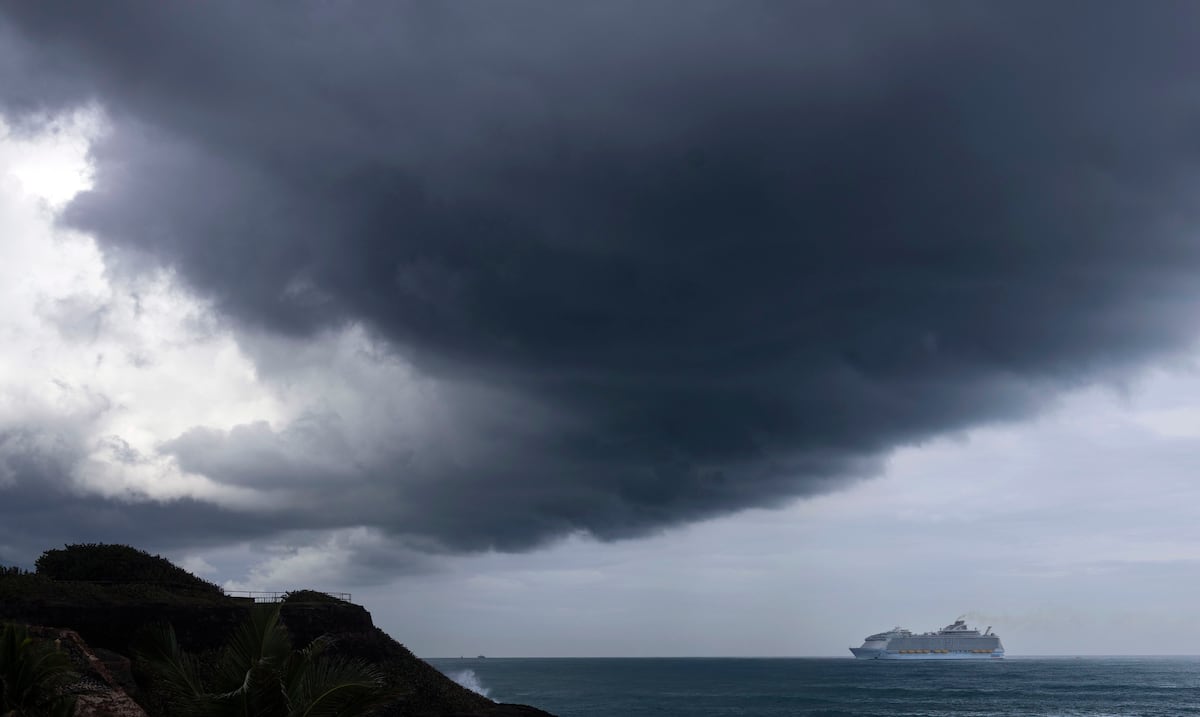
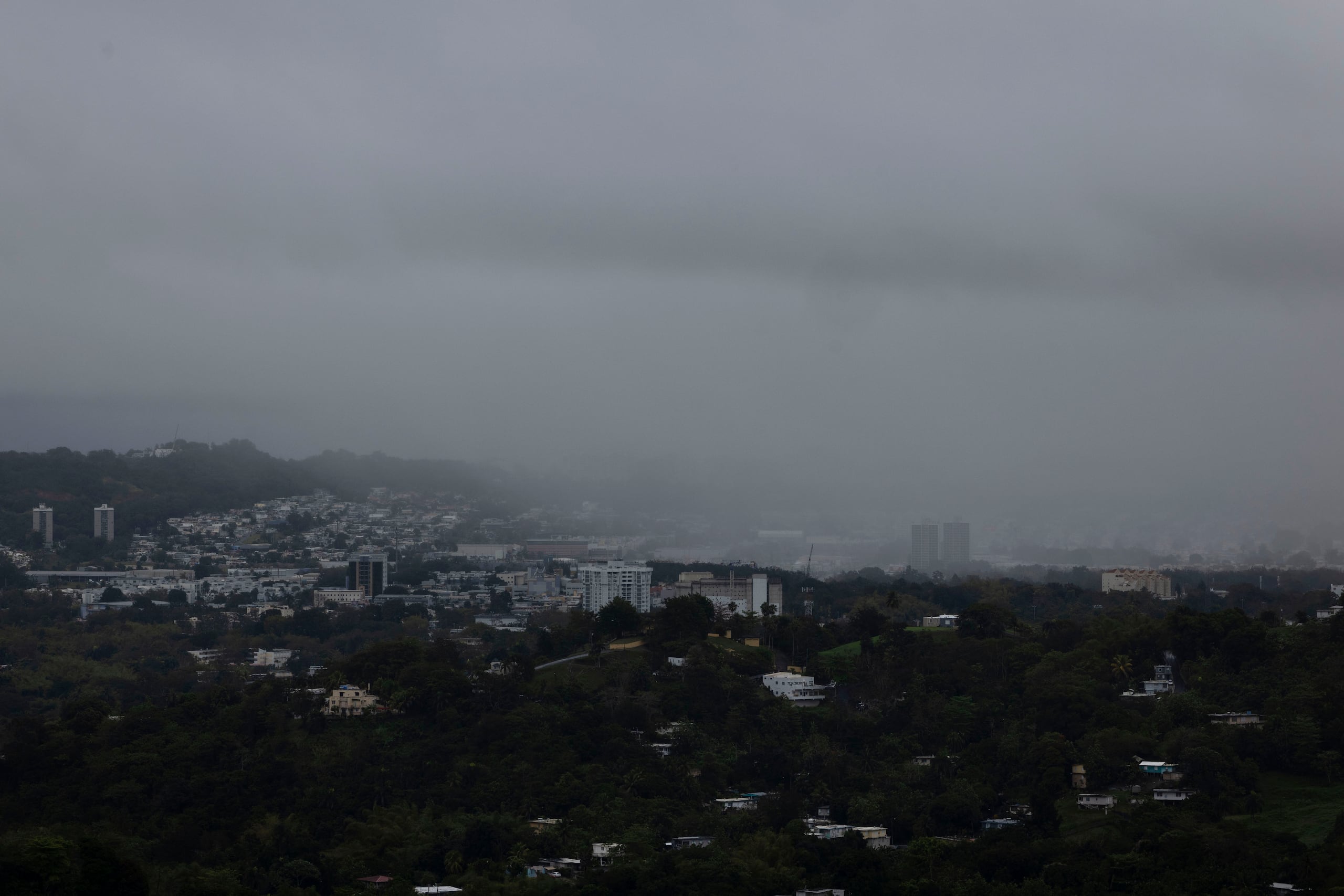
A weak tropical wave reached Puerto Rico this Saturday bringing scattered showers and thunderstorms — a welcome respite after weeks of record drought, but one that meteorologists warn will not be enough to pull the island's reservoirs out of crisis 1.
The National Weather Service (NWS) forecast that moisture associated with the system would increase during Saturday morning, with moderate to heavy showers and isolated thunderstorms concentrating in the afternoon, particularly across the eastern, interior, western, and northwestern regions of the island 1. By Sunday, rainfall activity will continue in the interior, the west, and the El Yunque area 1.
The Context: A Parched Island
The tropical wave arrives at the worst possible moment — or the best, depending on how you look at it. According to the U.S. Drought Monitor, 82.3% of Puerto Rico's territory is classified as "abnormally dry" and 24.8% faces "severe drought," affecting more than 30 municipalities 23. The Carraízo reservoir, the primary water source for the San Juan metropolitan area, woke up this week with a reading of 38.43 meters — enough to trigger the "operational adjustments" classification that forces the AAA water authority to reduce pump usage and system pressure 4. The Cidra reservoir could be next to fall into that category 4.
Governor Jenniffer González Colón signed two executive orders on Thursday, July 31 (EO-2026-35 and EO-2026-36) declaring a drought state of emergency and activating the National Guard 5. Under the "Clear Source" mission, operating since June 7, more than 505,000 gallons of drinking water have been distributed across nine municipalities: Bayamón, Guaynabo, San Juan, Carolina, Canóvanas, Loíza, Trujillo Alto, Caguas, and Juncos 5.
The Wave by the Numbers
Precipitable water values (PWAT) associated with the tropical wave range between 1.9 and 2 inches — above the climatological average but far from the levels that produce sustained torrential rainfall 16. The NWS reported that overnight rainfall amounted to only about a quarter inch in Culebra and between a quarter and just over half an inch in isolated areas of the main island 6.
To put that in perspective: a reservoir like Carraízo needs consistent rainfall over days — not hours — to recover operational levels. Experts have pointed out that Puerto Rico's problems go beyond the lack of rain: water losses from leaks in the AAA distribution network, the historical reduction in reservoir storage capacity, and excessive consumption are structural factors that worsen any rainfall deficit 2.
"Even in a low-precipitation scenario like the one that has plagued the country for weeks, it is the management of water resources, the loss of storage capacity, and the absence of a culture of consumption prudence" that are the determining factors, El Nuevo Día reported 2.
The Dangerous Combo: Rain + Extreme Heat
While the wave brings moisture, the heat persists. The heat index will continue reaching and exceeding 100 degrees Fahrenheit during mornings and afternoons, especially in urban and low-lying coastal areas 16. And by Sunday night, Saharan dust returns at moderate to high concentrations, bringing hazy skies, reduced visibility, and deteriorated air quality extending through Monday 6.
The Keetch-Byram Drought Index for vegetation fuel dryness remains well above the critical threshold across southern Puerto Rico, meaning that despite the scattered showers, wildfire risk remains active 6.
What This Means for You
If you were hoping this tropical wave would solve the water crisis, the reality is that it will not. The weekend showers are intermittent and localized — they help cool the air and temporarily lower temperatures, but they do not generate the sustained volume that reservoirs need. The AAA is still evaluating whether to implement a formal water rationing plan, and the start of the school year on August 6 adds pressure to the system 4.
Extreme heat combined with tropical humidity creates dangerous conditions for health, especially for the elderly, children, and outdoor workers.
How to Prepare / Checklist
- Capture the rain: If you have a cistern or tank, make sure it is clean and ready to catch any precipitation this weekend.
- Reduce consumption: Take 5-minute showers, turn off the faucet while brushing your teeth, and skip washing the car or watering the yard.
- Protect yourself from the heat: Avoid intense physical activity between 10am and 4pm; hydrate with water, not alcohol or caffeine.
- Prepare for flash floods: The combination of hardened dry soils and moderate rainfall can cause rapid runoff in urban and mountainous areas. Avoid crossing swollen streams or rivers.
- Air quality: If you have asthma or respiratory conditions, limit outdoor exposure when Saharan dust returns Sunday night.
- Fill water containers: Given potential service cuts from operational adjustments at Carraízo, store enough water for at least 72 hours.
What's Next
Hurricane season historically ramps up in August, which favors tropical cyclone formation in the central Atlantic and eastern Caribbean 6. Paradoxically, a more organized tropical system could be exactly what the reservoirs need — but it would also bring risks of severe flooding and destructive winds to already-weakened infrastructure.
The NWS will continue monitoring tropical activity. The next Drought Monitor update is published Thursday, August 7 — the day after school starts — and will determine whether this weekend's showers had any measurable impact on drought classifications. For now, every drop counts — but many more are needed.
Sources:
1 Primera Hora — Onda tropical llega este sábado
2 El Nuevo Día — Almacenamiento, salideros y consumo excesivo
3 Primera Hora — Más de 30 pueblos bajo sequía severa
4 Primera Hora — Cuánta agua queda?
5 Metro PR — Guardia Nacional distribuye 505K galones
6 NWS San Juan — Area Forecast Discussion
Sources
CoquiList summary and local context. Read the linked sources for the original reporting.
Ask about this story
Ask anything about this article — in English or Spanish.
Log in to ask about this story.
Comments (0)
Log in to join the conversation.
No comments yet — be the first.