NEPR Rejects All Tariff Appeals, Leaves $348 Million in Grid Maintenance Unfunded
CoquiList · With information from El Nuevo Día
Puerto Rico's Energy Bureau (NEPR) rejected all motions for reconsideration of the base electricity tariff that took effect July 1, leaving approximately $95 million in recurring power plant maintenance and 167 reliability projects valued at $252.8 million without funding 1. The decision, issued July 29, directly impacts LUMA Energy, Genera PR, and the Electric Power Authority (AEE) — all three entities that had filed for reconsideration.
The $348 Million Gap
The new base tariff, effective since July, made permanent the charges covering AEE pension obligations and approved provisional increases for private operator administrative expenses 1. However, the NEPR did not authorize the additional funding allocations that LUMA, Genera, and AEE requested to maintain and improve the electrical system.
In concrete numbers, the rejection eliminates:
- $95 million in recurring generation plant maintenance budget 2
- $252.8 million for 167 system reliability projects 2
- Total: ~$347.8 million that operators considered essential to preventing further blackouts
NEPR President Edison Avilés favored denying all motions 1. Affected parties have 30 days to appeal to the Court of Appeals.
The Government Seeks Alternatives — But Has No Plan B
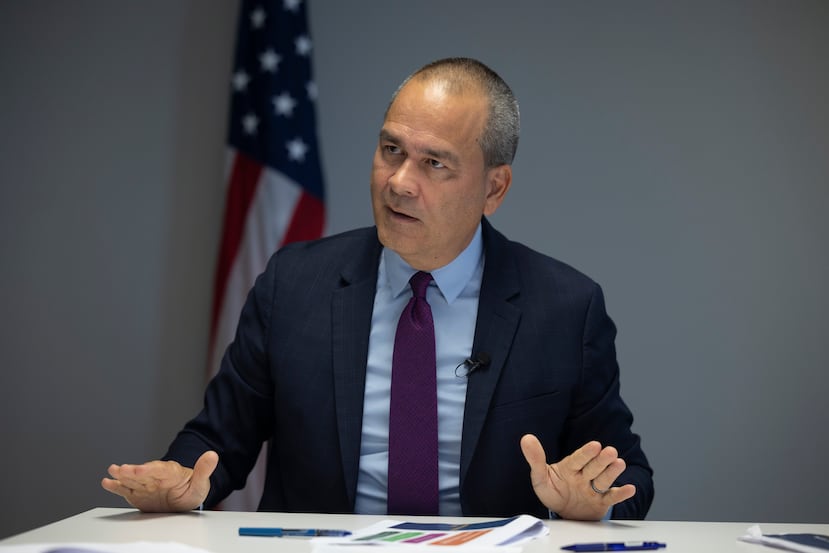
Energy Czar Josué Colón Ortiz acknowledged at a press conference that the government is evaluating multiple funding options but admitted frankly: "If the question is whether there is an identified, final, and firm alternative to address this — the reality is there isn't one" 2.
Among the alternatives under analysis:
- Additional funding sources that don't require tariff modifications
- Possible judicial review of NEPR's decision
- Budget realignment between LUMA Energy, Genera PR, and AEE 2
Genera PR warned that NEPR's denial represents "a multimillion-dollar cut to the operations and maintenance budget" that impacts the capacity to repair units and respond to emergencies 2. LUMA Energy said it continues evaluating next steps within the existing regulatory framework, and AEE is assessing available legal and regulatory resources to protect its operations.
Meanwhile, the Grid Runs at Its Limit
NEPR's decision comes at the worst possible moment. On August 1, Genera PR reported that the projected peak demand for that evening was 2,927 megawatts with available capacity of 3,242 megawatts — a reserve of just 315 megawatts, classified as "narrow reserve" 3. A private cogeneration plant was operating limited to 180 megawatts from its two units, with hopes of reaching 200 MW during peak hours 3.
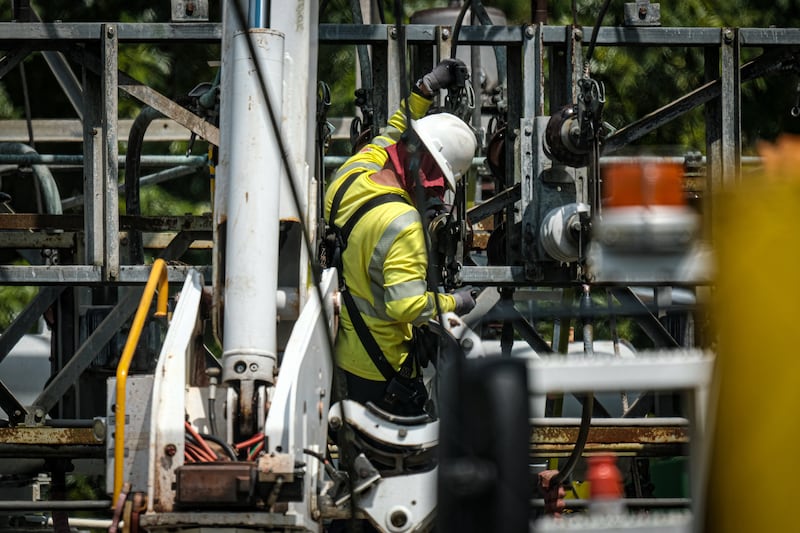
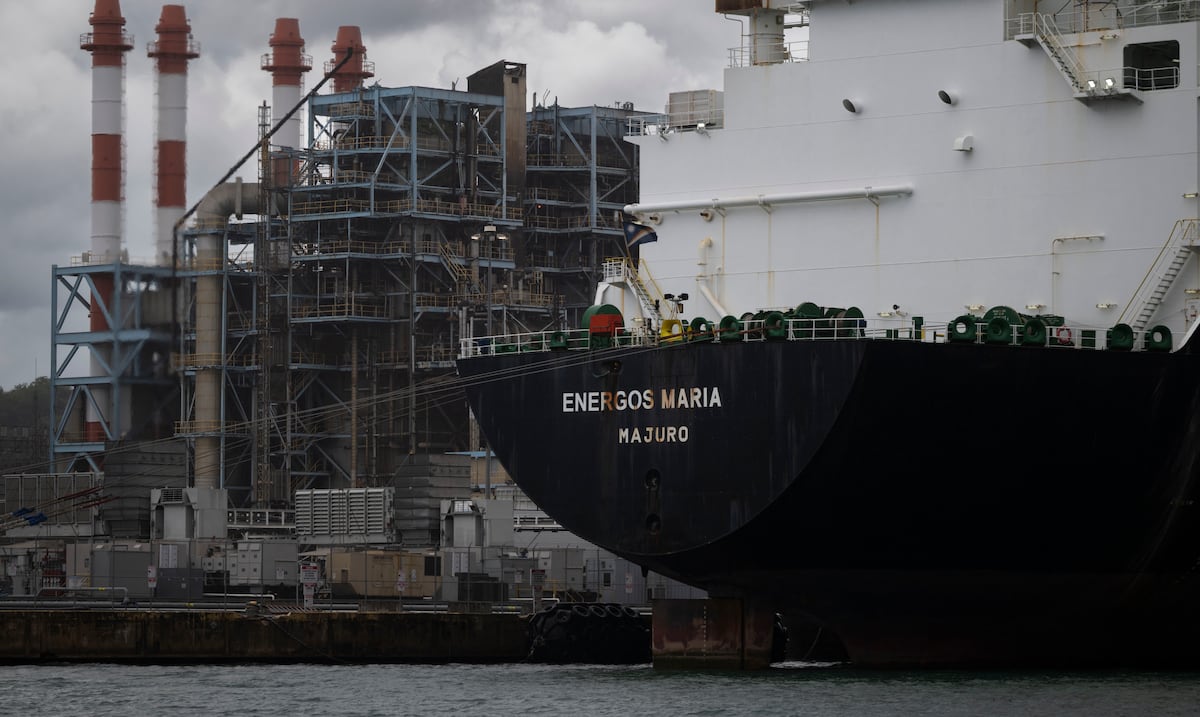
Last week, Unit 2 at the Aguirre power plant went offline due to a fuel system failure, leaving more than 100,000 customers without power. AES units remain under repairs with limited capacity. Without the $95 million in maintenance funding, these episodes could become more frequent.
The residential tariff rose from $4 to $8 in the base service charge, plus a temporary charge of 1.92 cents per kilowatt-hour 2 — and yet the money collected still falls short of the maintenance operators say they need.
What This Means for You
If you're a LUMA Energy subscriber — which is virtually all of Puerto Rico — this decision affects you in two ways. First, blackouts caused by generation failures could become more frequent because the plants won't receive the maintenance operators requested. Second, there's a 30-day legal window for parties to appeal, meaning this fight will continue for months and could end up in the Court of Appeals, creating more uncertainty about rates and service.
The government has no clear alternative plan, which increases the risk of repeating this week's events: load shedding, surprise blackouts, and generation reserves running at minimum levels during peak heat hours.
Action Checklist
- Review your LUMA bill — the base charge rose from $4 to $8 since July. Verify it's applied correctly at luma.com or by calling 1-844-888-LUMA.
- Document every blackout — note the date, time, duration, and any appliance damage. This information is key if you later decide to file a compensation claim.
- Prepare an electrical emergency kit — flashlight, batteries, portable charger, and water. With narrow generation reserves, load shedding can return at any time.
- Reduce consumption during peak hours (6pm-11pm) — turn off non-essential equipment and set air conditioning to 76°F or higher. Every kilowatt you reduce helps prevent load shedding.
- Follow the regulatory process — parties have until late August to appeal. You can monitor NEPR orders at energia.pr.gov.
What's Next
Parties have 30 days from the July 29 decision to appeal to the Court of Appeals — putting the deadline in late August 2026. If LUMA, Genera, or AEE appeal, the case could drag on for months while the electrical system continues operating without the requested maintenance funds. Meanwhile, the government continues searching for funding alternatives that don't require tariff changes. With hurricane season in full swing and electricity demand at peak levels due to extreme heat, the question isn't whether there will be more blackouts — but how many.
Sources: 1 El Nuevo Día, "Negociado de Energía rechaza todas las solicitudes de reconsideración a la tarifa base," July 29, 2026 2 El Vocero, "Evalúan alternativas para financiar mantenimiento eléctrico tras negativa del NEPR," July 30, 2026 3 Metro PR, "Genera PR asegura que hay 315 megavatios de reserva para atender demanda pico," August 1, 2026
Sources
CoquiList summary and local context. Read the linked sources for the original reporting.
Ask about this story
Ask anything about this article — in English or Spanish.
Log in to ask about this story.
Comments (0)
Log in to join the conversation.
No comments yet — be the first.