$250 Million in Financing Closes for 220-Megawatt Battery Project Set to Reinforce Puerto Rico's Grid
CoquiList · With information from El Nuevo Dia
While the electric bill keeps setting records and blackouts show no sign of easing, one piece of news is pointing the other way: in August, multimillion-dollar financing deals totaling more than $250 million closed to expand battery energy storage in Puerto Rico, a package of projects that will add 220 megawatts (MW) of capacity to the grid 1. Real estate transaction records show that projects planned for Barceloneta and Santa Isabel led the island's property transactions that month, a sign that the money actually moved and the mortgages were formally recorded 1.
Where the money comes from
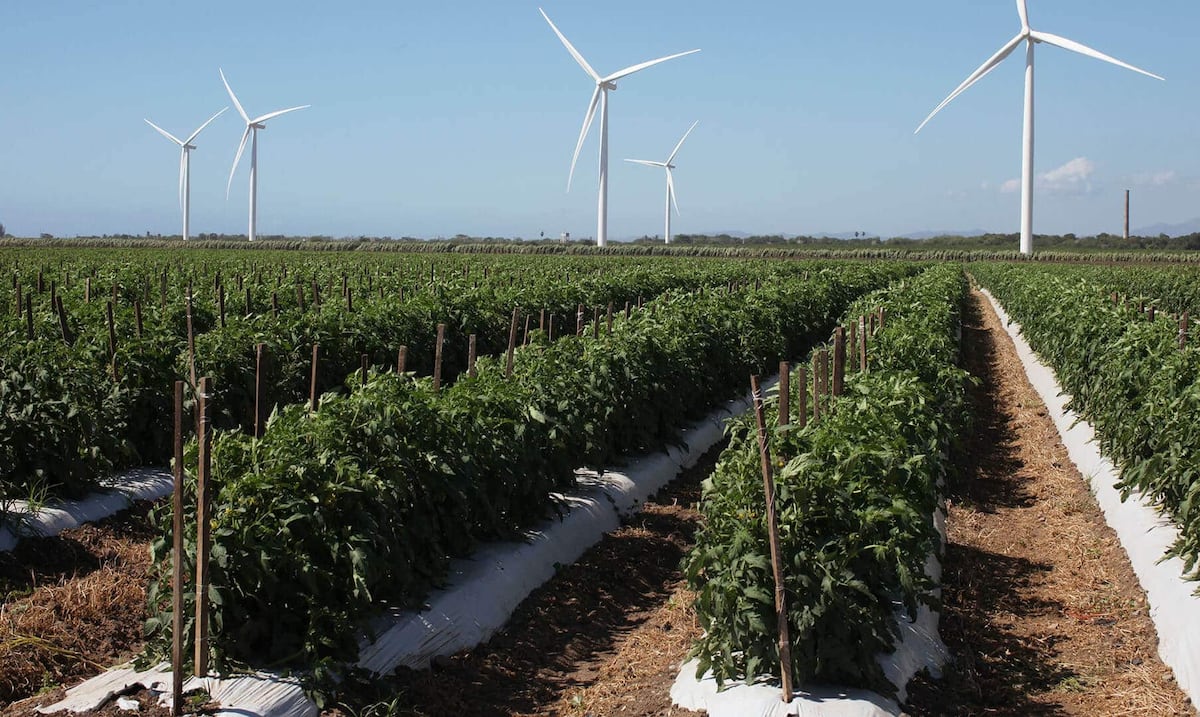
The financing did not appear out of nowhere. It stems from a $489.4 million loan the federal Department of Energy (DOE) approved for Amanecer Puerto Rico LLC, a subsidiary of developer Pattern Energy, to build 220 MW of batteries in Santa Isabel and Arecibo 23. Pattern is not new to Puerto Rico: the company already operates 44 wind turbines in Santa Isabel under a power purchase agreement with the Puerto Rico Electric Power Authority (PREPA) that runs through 2047 and is valued at roughly $250 million 2. That is a separate, older contract; the money that closed in August is new financing, specifically for the battery phase.
The deal also changed shape along the way. The original conditional commitment, granted in January 2025, called for 180 MW (720 megawatt-hours) spread across three independent systems, plus a 70 MWac solar plant with integrated storage. That version was scrapped: the DOE dropped the solar component and raised the total battery capacity to the 220 MW that ultimately got financed 3. The final agreement also leaves the door open to future dispatchable natural gas generation tied to the project, though the agency did not specify capacity, location, or timeline for that piece 3.
The numbers you should know
- $489.4 million: the federal DOE loan amount to Amanecer Puerto Rico LLC (Pattern Energy) 23.
- More than $250 million: in mortgages and financing formally closed in August 2026, according to real estate transaction records 1.
- 220 MW: total battery capacity to be added to the grid, up from the 180 MW in the original January 2025 plan 13.
- More than 100,000 customers: the number the DOE projects would receive backup electricity thanks to these batteries 23.
- 13 million hours: cumulative service interruptions the DOE estimates would be avoided with the system, based on 2025 grid operating data 23.
- $312.5 million: estimated savings for Puerto Rican households and businesses on electricity over 25 years, according to the DOE's projection 3.
- The federal financing draws on funds under the law known as the Working Families Tax Cuts Act, framed within the federal administration's strategy to strengthen U.S. energy supply chains 2.
What this means for you
If you live near Santa Isabel, Arecibo, or Barceloneta, you will likely see more heavy equipment, trucks, and construction activity in the coming months on land that used to be vacant or farmed. For the rest of the island, the impact is more indirect but real: batteries at this scale charge when generation is abundant (during the day, with sunlight) and discharge during the late-afternoon and evening peak hours, when the grid is most stressed and most prone to outages. If the project is built as planned, it should translate into fewer hours without power for tens of thousands of customers, though the benefit will not be immediate: projects of this scale typically take 18 to 30 months to build and interconnect after financing closes.
How to do it / Checklist
- If your property borders the land in Santa Isabel, Arecibo, or Barceloneta, ask your municipality or PREPA for information on easements or interconnection studies that could affect your property before construction advances.
- Follow the public hearings and rulings from the Puerto Rico Energy Bureau (NEPR), which must approve these projects' interconnection agreements with the grid.
- If you run a business in those areas, document any road or noise impact during the construction phase in case you need to file a claim later.
- Periodically check the property registry if you have pending transactions in those municipalities, since large-scale financing activity can affect nearby appraisal values.
- Do not expect your bill to drop right away: the projected $312.5 million in savings is spread over 25 years and depends on the project being completed on schedule.
What's next
The next visible step is the construction phase and the interconnection approvals before NEPR and PREPA, which will determine when these batteries actually start feeding electricity into the grid. Also still open is what the DOE left on the table in the agreement: a future natural-gas-fired generation component tied to the project, with no capacity, location, or date yet defined, suggesting this Pattern Energy story in the island's south and north is not over just because this round of financing has closed.
Sources
CoquiList summary and local context. Read the linked sources for the original reporting.
Ask about this story
Ask anything about this article — in English or Spanish.
Log in to ask about this story.
Comments (0)
Log in to join the conversation.
No comments yet — be the first.