Getting around PR without a car: Tren Urbano, AMA bus, and ferry fares and tips
CoquiList · With information from Autoridad de Transporte Integrado
Between gas, maintenance, and the tapones, getting around Puerto Rico by car is expensive. The good news: between the Tren Urbano, AMA buses, and the Ceiba ferry, there's a public network that — used wisely — moves you around the metro area and even to the island municipalities for a few dollars. CoquiList put together the practical guide: fares, schedules, and the tricks people usually learn the hard way.
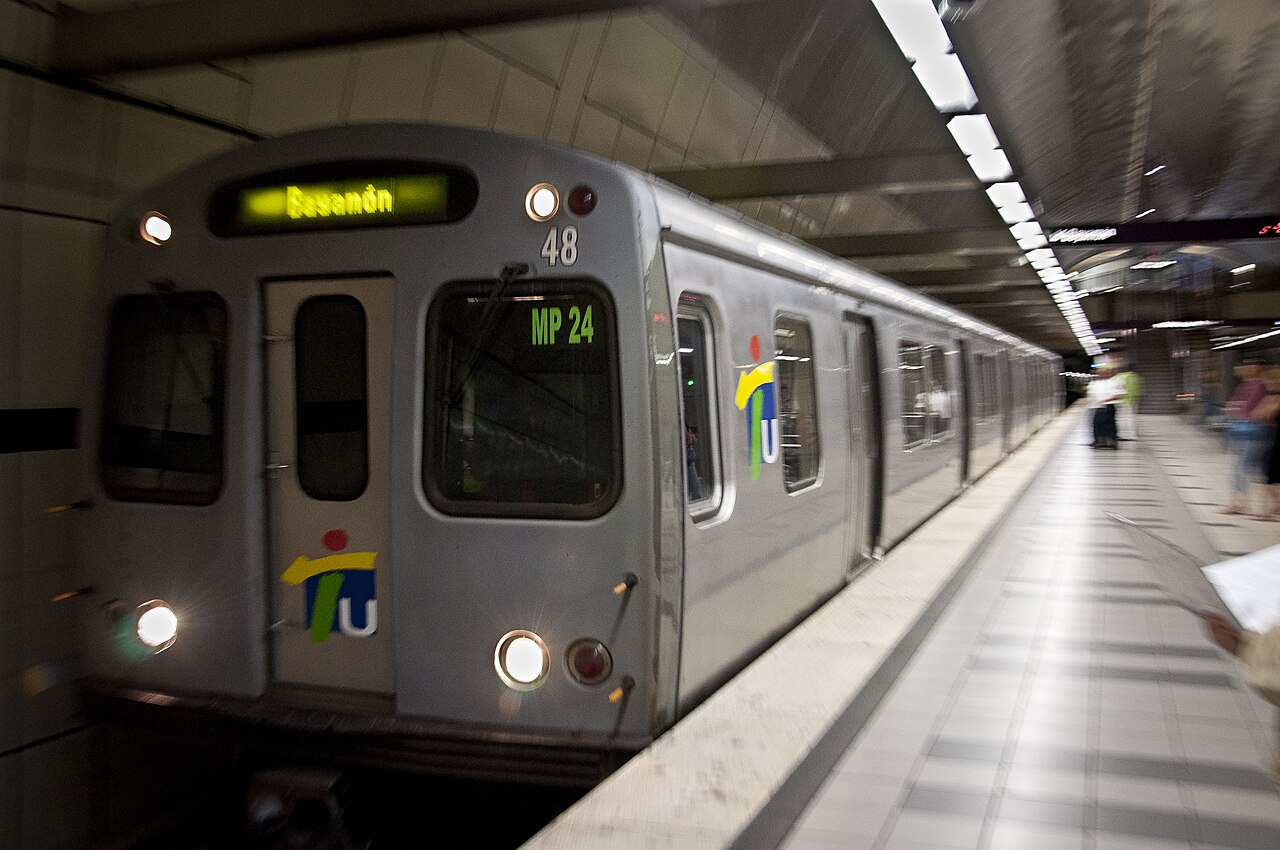
Tren Urbano: the metro area's metro
Heads up, because this changed recently: after almost two years of fare-free service (public transit was free from 2023 to 2025), the ATI resumed charging on January 1, 2026.6 The Tren Urbano runs every day from 5:30am to 11:30pm, with 16 stations across San Juan, Guaynabo, and Bayamón.1 The regular fare is back to $1.50, and the single-charge transfer rule stays: board a bus and exit through the train, you pay $1.50 total.6 There's also fare capping coming — a daily payment cap (around $5) with unlimited rides the rest of the day.6 Students and seniors get discounts; riders over 75 go free.
- Trick: stations have park & ride lots — leave the car in Bayamón or Sagrado Corazón and skip Hato Rey or Río Piedras traffic and parking.
- For live schedules and routes, the ATI (Integrated Transport Authority) page is the official source.1
AMA: the 75-cent bus
Since January 2026 the AMA and Metrobús regular fare is back to $0.75 per ride (intermodal routes like Toa Baja–Bayamón and Caguas–Cupey run $2)6 — one of the cheapest ways to move around San Juan, Bayamón, Carolina, Cataño, Guaynabo, Trujillo Alto, and Toa Baja.1 There's also Llame y Viaje, the service for riders with disabilities who can't board a regular bus, coordinated through the ATI.1
- Trick: check your route on the ATI page before heading out; some routes change frequency between weekdays and weekends.1
The ferry: Cataño, Vieques, and Culebra
The Cataño lancha to Old San Juan is still the bay's most scenic (and cheapest) ride. For the island municipalities, the ferry leaves from the Ceiba terminal:
-
Culebra: about $2.25–$2.50 each way, and note: Culebra charges a $2 environmental fee to non-resident visitors.24
-
Change coming: a fare increase for non-residents on the Ceiba ferry has been announced; implementation has been postponed, but it's coming — residents with ID keep the low fares.5
-
Trick #1: tickets sell out on weekends and holidays. Buy round-trip in advance on the official ferry site.3
-
Trick #2: Vieques and Culebra residents get boarding priority — if you're visiting, get to the terminal early.
-
Trick #3: when a vessel is down for maintenance, some trips are replaced with ground transport — check the day's status before you go.13
What it means for you
- Metro commute: train + bus with a transfer can run you under $2 a day — compare that to gas + tolls + parking.
- Island getaway: a family of 4 gets to Vieques and back for $16 in fares — the hotel and the bio-bay tour are another story, but getting there is cheap.
- No car ≠ stuck: combining the train, AMA, and Uber/pon for the last mile, the metro area is navigable. Not perfect, but far cheaper than people think.
What's next
The ATI keeps integrating the systems under one umbrella (hence the name), and the non-resident ferry fare increase is still on the agenda.5 Save this guide, check schedules the day before, and if anything changes — new fares, new routes, or the train finally extending — we'll cover it here in the Newsroom.
Sources
CoquiList summary and local context. Read the linked sources for the original reporting.
Ask about this story
Ask anything about this article — in English or Spanish.
Log in to ask about this story.
Comments (0)
Log in to join the conversation.
No comments yet — be the first.