Historic July in Puerto Rico: Driest Since 1898, Record 94°F Heat, and Extreme Warning for 59 Municipalities
CoquiList · With information from El Nuevo Día
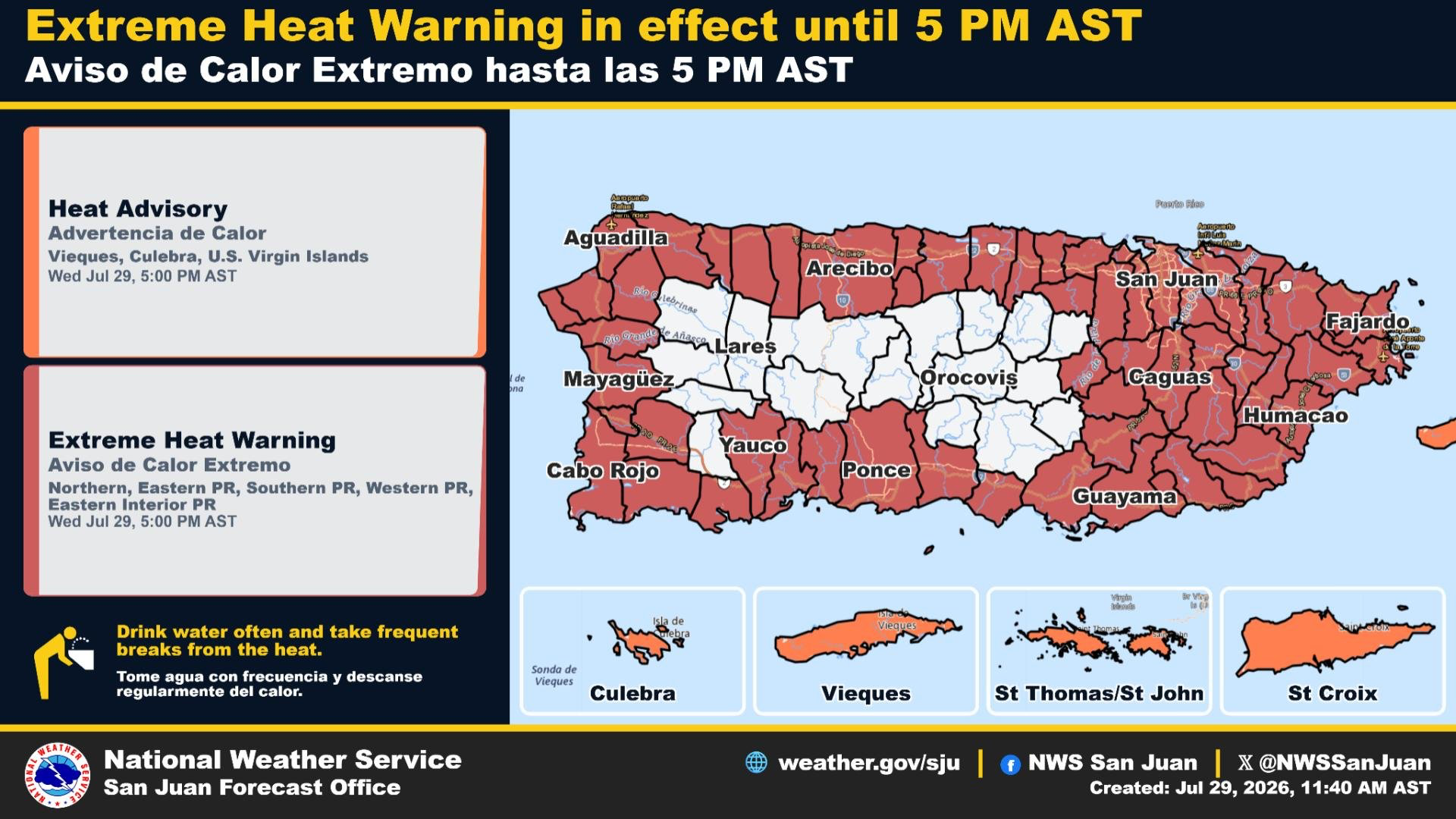
Puerto Rico is living through a July unlike any in modern history. The San Juan airport weather station — which has kept records since 1898 — logged just 0.53 inches of accumulated rainfall through July 28, putting this month on track to be the driest July in 128 years of data 1. The very next day, on July 29, the thermometer hit 94°F at 2:12 p.m., setting a new all-time high-temperature record for that date 2. And for the first time in 300 days — since October 1, 2025 — the National Weather Service (SNM) elevated its alert to an extreme heat warning covering 59 of the island's 78 municipalities 34.
The Numbers
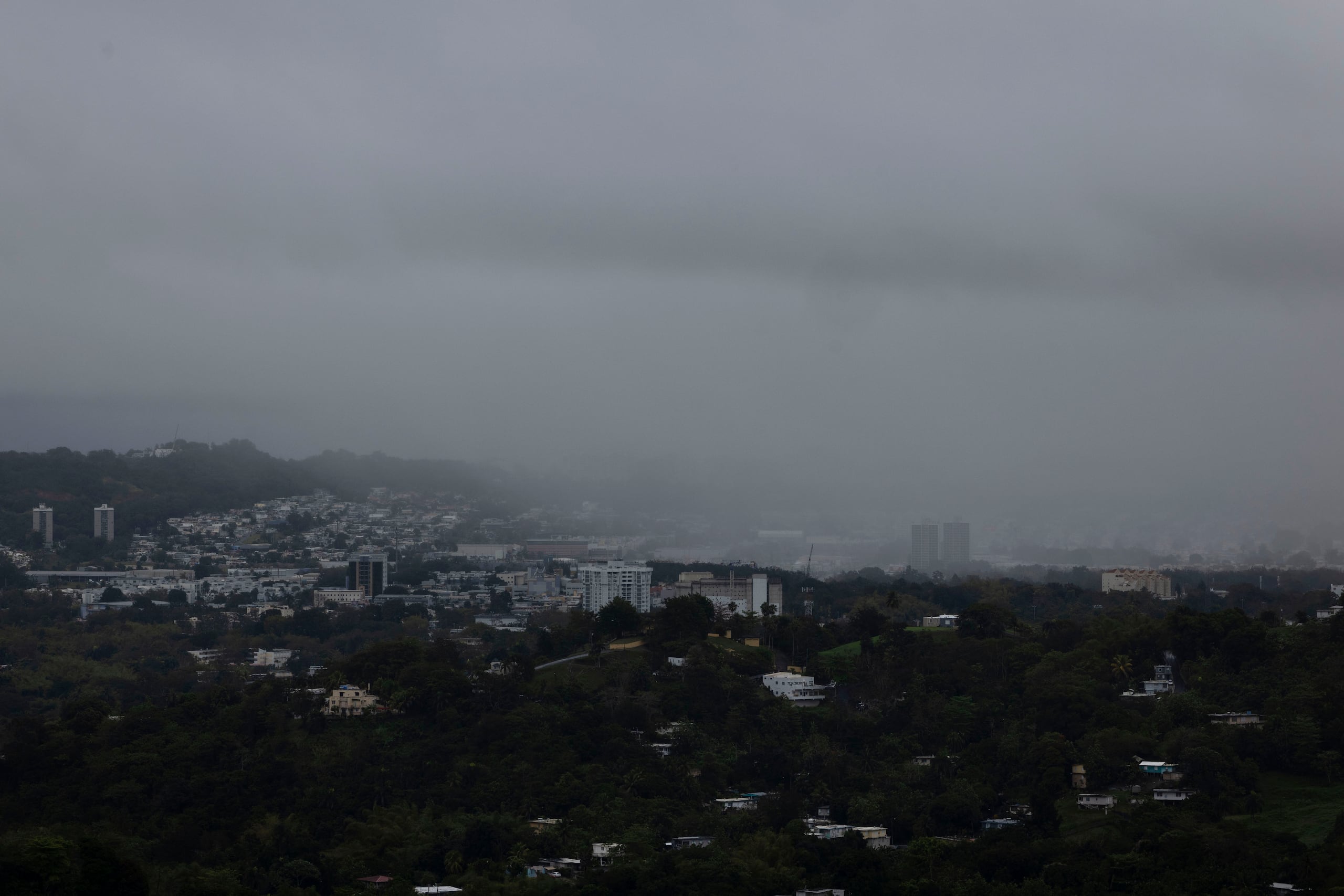
The July drought has no recent comparison. The previous driest-July record dates to 1929, when 1.10 inches fell — more than double what's been recorded this year 1. The lack of rain is already affecting 74 municipalities experiencing drought conditions.
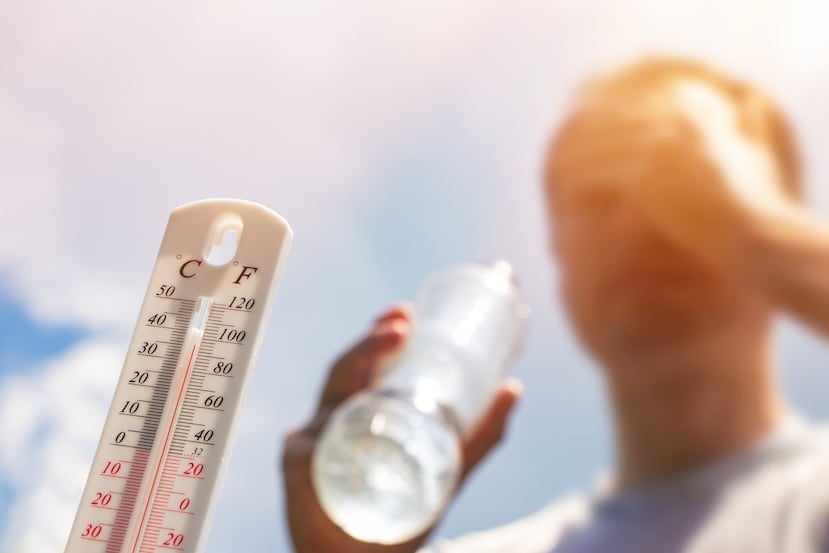
On the temperature side, the 94°F mark on July 29 broke the previous record of 93°F, which had been set in both 1984 and 2013 on the same date 2. But this wasn't an isolated spike: between July 9 and 20, San Juan strung together 12 consecutive days with highs at or above 90°F, then added another seven straight days from July 22 through 28 1. The month's average temperature sits around 85.1°F, making it the second-hottest July on record, trailing only July 2024's average of 85.7°F 12.
The extreme heat warning — in effect through 5:00 p.m. on July 29 — covered municipalities across the north, east, south, west, and metro areas, including San Juan, Bayamón, Carolina, Ponce, Mayagüez, Caguas, and Fajardo, among many others 3. A separate heat advisory remained in place for Vieques, Culebra, and the U.S. Virgin Islands 4.
What It Means for You
If this summer feels hotter than anything you've experienced, the data backs you up. The combination of record heat and extreme drought creates a dangerous scenario. Without afternoon rain to cool things down, temperatures stay elevated for more hours of the day, and the heat index — what your body actually feels — can easily exceed 110°F.
This doesn't affect everyone equally. If you lack air conditioning, work outdoors, or have chronic health conditions, the risk of heat stroke is real 3. Older adults, young children, and people without access to cool spaces are most vulnerable. The SNM itself warns that "this level of heat can affect most people sensitive to high temperatures, especially those without adequate cooling systems or insufficient hydration" 3.
The drought hits your wallet too: reduced water availability could mean future restrictions, and dry vegetation raises the risk of wildfires across the island.
How to Prepare
-
Hydrate before you're thirsty. Carry a water bottle and take frequent sips throughout the day. Avoid alcohol and excess caffeine, which dehydrate 34.
-
Stay out of the sun between 10 a.m. and 5 p.m. If possible, remain in air-conditioned or well-ventilated spaces during those hours. If you don't have AC at home, seek out malls, libraries, or community centers 4.
-
Wear light, loose-fitting clothing. Light colors reflect heat rather than absorbing it.
-
Never leave people or pets in closed vehicles. The temperature inside a parked car can reach 140°F in minutes.
-
Know the signs of heat stroke. Hot, dry skin; confusion; rapid pulse; and nausea are emergency signals. Call 911 immediately 4.
-
Check on elderly neighbors and relatives. A quick phone call can save a life.
-
Conserve water. With the historic drought, every gallon matters. Water plants early in the morning and report leaks to your water provider.
What Comes Next
The short-term forecast offers little relief. Passing showers are expected, but not nearly enough to reverse the drought trend 1. A tropical wave could approach by Sunday, potentially bringing somewhat more moisture to the island. Low to moderate concentrations of Saharan dust will persist through Friday 1.
The SNM warns that extreme heat conditions could repeat in the coming days, so stay tuned to official alerts and don't let your guard down on hydration.
Sources: 1 El Nuevo Día — July 2026 is on track to be the driest on record at the San Juan station since 1898 2 El Nuevo Día — New maximum temperature record for San Juan: thermometer registers 94 degrees Fahrenheit 3 El Nuevo Día — The first in 300 days: extreme heat advisory issued for 59 municipalities 4 NotiCel — Extreme heat warning elevated for much of Puerto Rico
Sources
CoquiList summary and local context. Read the linked sources for the original reporting.
Ask about this story
Ask anything about this article — in English or Spanish.
Log in to ask about this story.
Comments (0)
Log in to join the conversation.
No comments yet — be the first.