Fines up to $50,000: DRNA investigates harassment of dolphin "Miguelito" in Icacos after finding him with a diving mask embedded in his skin
CoquiList · With information from El Nuevo Día
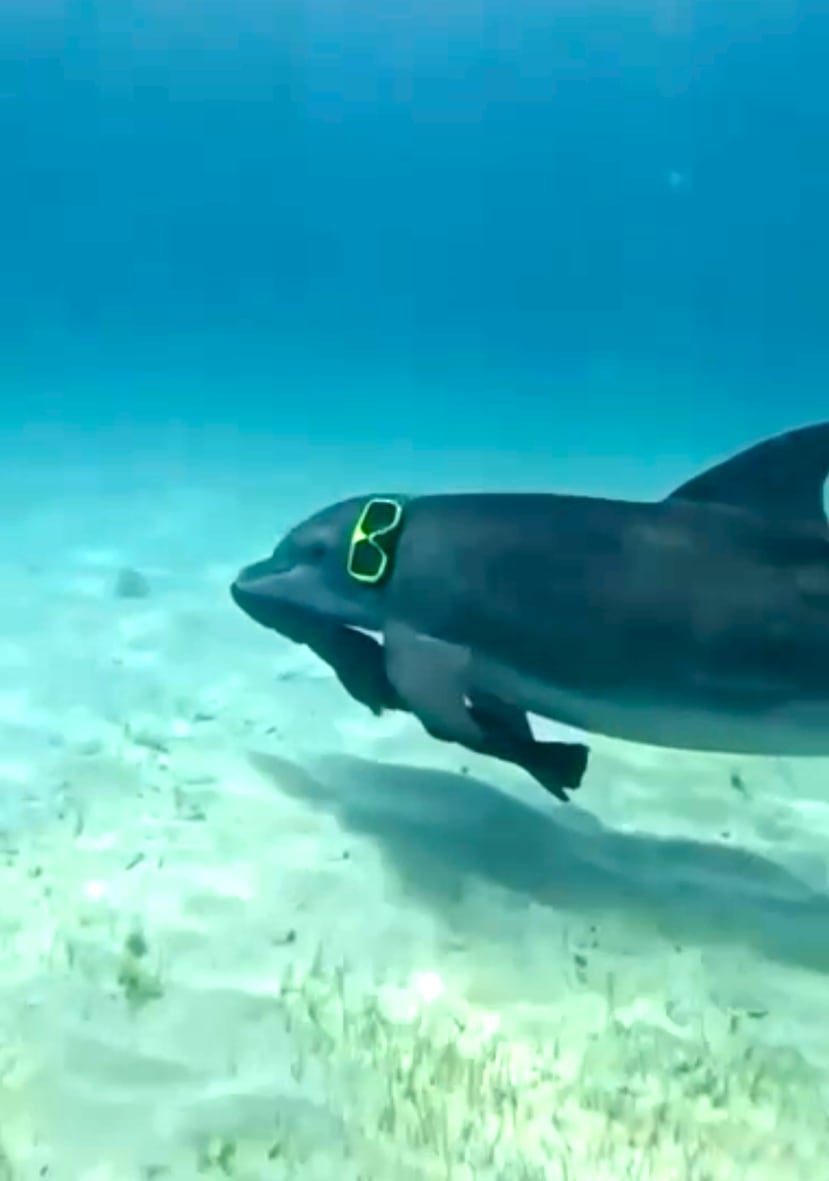
The Wildlife Officers Corps (Cuerpo de Vigilantes) of Puerto Rico's Department of Natural and Environmental Resources (DRNA) shut down boat traffic in the Cayos de la Cordillera Natural Reserve, off the coast of Fajardo, in the early morning hours of Wednesday, August 12, after viral videos showed a juvenile dolphin known locally as "Miguelito" swimming with a diving mask tightly strapped to its body 4. Wildlife Officers Corps Commissioner Nelson Cruz confirmed that the agency learned of the case that morning from photos and videos circulating on social media, and immediately activated an emergency operation with biologists from DRNA's Auxiliary Secretariat for Conservation and Research, coordinating with the National Oceanic and Atmospheric Administration (NOAA) 14.
Miguelito is not just any dolphin to fishermen and swimmers in Fajardo. DRNA has been monitoring the animal since 2018, when the juvenile began frequenting the shallow waters around Icacos islet, inside the Cayos de la Cordillera marine reserve 2. Between 2024 and 2025, a doctoral student affiliated with the agency documented its behavior as part of an academic study on wild dolphins' habituation to human contact 2. But in recent months that relationship between the dolphin and tourists intensified dangerously: the social media account "Boating Puerto Rico" posted videos on June 26, July 13 and August 6 of this year showing swimmers touching, riding and swimming alongside the animal, operating without the nautical tourism certification the law requires 2. It was precisely that chain of videos that alerted DRNA to the mask embedded in Miguelito's skin.
The discovery drew a sharp reaction from DRNA Secretary Waldemar Quiles. "What is happening with the dolphin is outrageous... they are abusing him," Quiles said, explaining that someone had to "stretch it and put it on him" for the diving gear to end up strapped to the animal's body 1. The official warned that "the full weight of the law will fall without mercy" on whoever is found responsible 1.
The numbers behind the case show the scale of the problem and the legal consequences responsible parties face:
- The operation closed maritime traffic in the area throughout the morning of August 12 and located Miguelito healthy, no longer wearing the mask, around 12:40 p.m. that same day 3.
- Law 241 of 1999, Puerto Rico's New Wildlife Law, punishes violations against protected or vulnerable species with fines ranging from $5,000 to $50,000, plus possible jail time of up to three years 3.
- At the federal level, the Marine Mammal Protection Act of 1972 prohibits hunting, harassing, feeding or interacting with wild marine mammals; Quiles warned federal jurisdiction could impose penalties even harsher than the state's 13.
- Auxiliary Secretary for Conservation Marisel Martínez suspects some operators are using sound devices to lure the dolphin toward their boats 1.
- DRNA's Protected Species Program coordinator, Nilda Jiménez, reported that Miguelito has looked "thinner than usual" in recent weeks; three adult dolphins used to accompany him but have since left him behind 2.
- DRNA will review the viral videos to identify those responsible and could revoke permits from nautical tourism operators who promote getting close to the dolphin 13.
- Complaints or reports of illegal interaction with Miguelito can be made at (787) 999-2200, extensions 2910 or 2911 1.
What this means for you
If you're visiting Icacos, Culebrita or anywhere in Cayos de la Cordillera this summer, the rule is simple: look from a distance, don't touch. A wild dolphin that gets used to human contact stops behaving like a dolphin: it loses its natural fear of boats, gets close to propellers, comes to depend on people feeding or seeking it out, and, as Jiménez warned, can turn aggressive as it matures 2. For visitors, approaching, touching or swimming toward Miguelito is no longer an innocent vacation story: it's a violation of both state and federal law that can end in a fine of thousands of dollars, regardless of good intentions 3.
How to do it / Checklist
- Before booking a tour in Fajardo or Culebra, confirm the operator holds a valid nautical tourism certification with DRNA; ask directly whether the itinerary includes approaching Miguelito.
- If you spot the dolphin from your boat or kayak, keep your distance and turn off any sound devices; don't slow down to "wait for him."
- Never touch, feed or swim toward the animal, even if he approaches you first; move away slowly instead.
- If you witness someone touching, riding or chasing the dolphin, document it with photo or video from a distance and call (787) 999-2200, extensions 2910 or 2911.
- Avoid sharing or helping videos of direct contact with Miguelito go viral; that exposure is part of what draws more boats to harass him.
- If you operate or charter a boat, require in writing that the route respect the marine mammal protection perimeter.
What's next
DRNA announced its legal division will review the videos posted by "Boating Puerto Rico" and other accounts to identify specific operators and swimmers, with an eye toward filing charges under Law 241 23. The agency is also weighing whether to refer the case to NOAA for a parallel federal investigation, which would open the door to additional sanctions under the Marine Mammal Protection Act 13. In the meantime, the Wildlife Officers Corps will keep reinforced patrols in the Icacos area for the rest of the summer, the peak tourist season in Cayos de la Cordillera, and DRNA has not ruled out imposing additional navigation restrictions if incidents continue 4.
Sources
CoquiList summary and local context. Read the linked sources for the original reporting.
Ask about this story
Ask anything about this article — in English or Spanish.
Log in to ask about this story.
Comments (0)
Log in to join the conversation.
No comments yet — be the first.