Genera PR Proposes Desalination Plants at Power Stations to End Dependence on Water Authority
CoquiList · With information from El Vocero
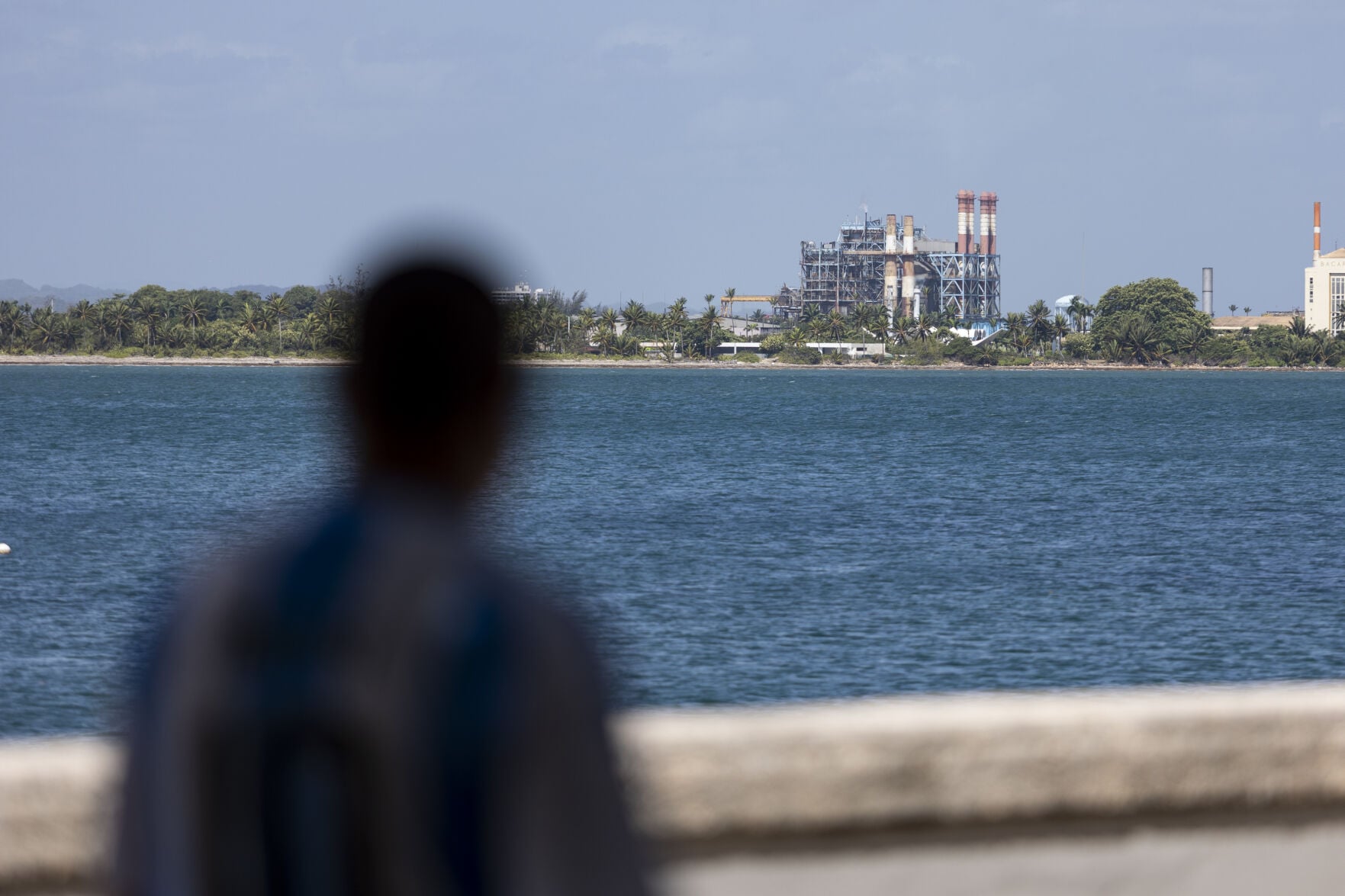
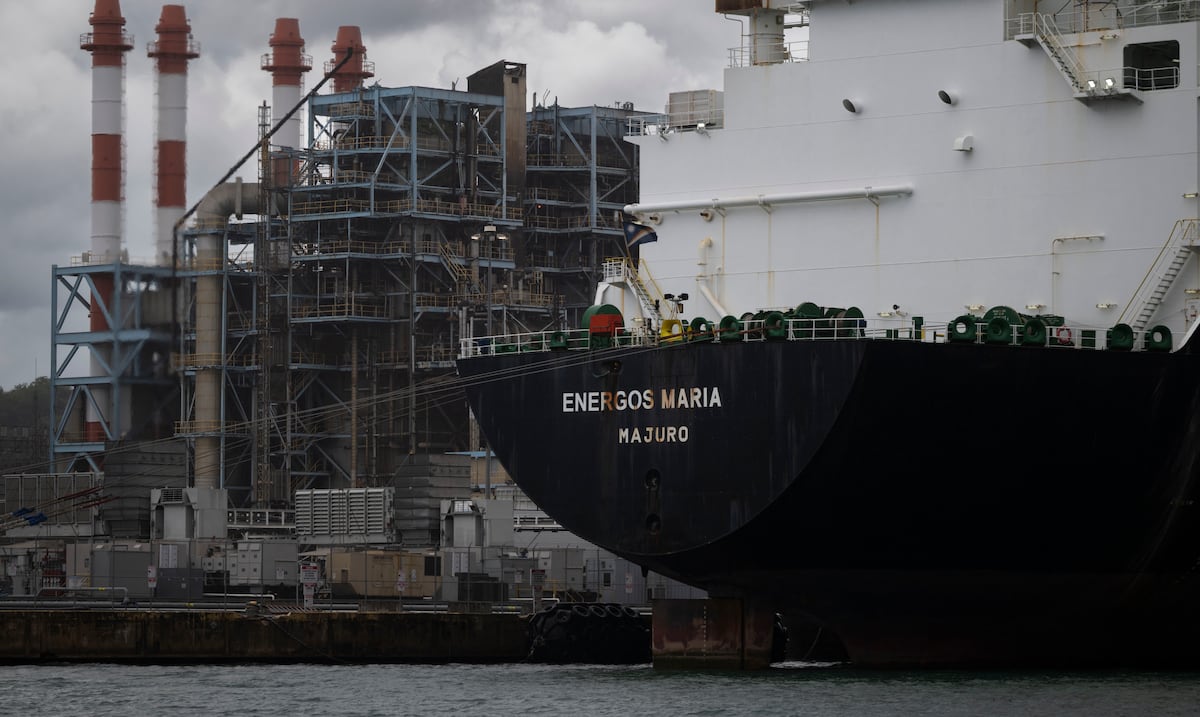
Genera PR filed a motion with the Puerto Rico Energy Bureau (NEPR) on August 6 to develop reverse-osmosis desalination plants at its San Juan and Palo Seco power stations, with plans to expand to Aguirre and Costa Sur in a second phase 1. The proposal arrives in the middle of the island's worst drought since 2015, with more than 180,000 households under water rationing and the Carraízo reservoir dropping to 37.43 meters, just days away from hitting its control level 2.
Iván Báez, Genera PR's vice president of public and government affairs, explained that the plants aim for "independence from the AAA" for the company's northern island facilities. The San Juan power station consumes roughly 6,500 gallons per hour, while Aguirre uses about 22 million gallons per month 1. Those are massive quantities of potable water drawn from the same system that supplies homes.
Each plant would cost an estimated $95 to $165 million and take six months to a year to build. Genera PR plans to finance the projects through FEMA's federal risk mitigation funds, which according to Báez means the plants "wouldn't cost Puerto Rico citizens" 1.
The proposal requires approval not only from the NEPR but also from FEMA, the Department of Natural and Environmental Resources (DRNA), and other regulatory agencies. It is a complex process, but Genera argues it can be fast-tracked given the drought emergency.
The water situation is alarming. Governor Jenniffer González declared the island is at a "critical level" and said rationing would expand starting next week if it does not rain 2. The La Plata reservoir, which serves nine municipalities and 130,828 subscribers -- including Bayamón, Dorado, Guaynabo, Toa Baja, and Cataño -- has dropped 60 centimeters in a single week 3. The National Weather Service projects two more weeks of mostly dry conditions and recommends expanding the extreme drought (D3) designation to Gurabo, San Lorenzo, Las Piedras, San Juan, Carolina, and Trujillo Alto 4.
Power plants are classified as "critical infrastructure" and maintain uninterrupted water supply even during the rationing that affects seven municipalities. That creates tension: while families go 48 hours without water, generating stations keep consuming millions of gallons. Desalination would eliminate that contradiction.
What this means for you
If you live in municipalities that depend on Carraízo or La Plata, this proposal could eventually free up millions of gallons per month that currently go to power plants. In a drought like this one, that translates to additional hours of water service for your household.
But timelines need a reality check. Although Genera says it can build in six months, the regulatory process before the NEPR, FEMA, and the DRNA could take considerably longer. This does not solve today's crisis, but it changes the equation for the next one.
There is also a long-term cost question. Even if construction is funded by FEMA, operating and maintaining desalination plants eventually shows up in generation costs, which end up on your electric bill.
Checklist: How to prepare
- Check whether your municipality depends on the Carraízo or La Plata reservoir on the AAA portal (acueductospr.com) to find your rationing zone.
- Store water during active service periods -- the AAA recommends at least 72 hours of reserve per person.
- Cut non-essential consumption: garden watering, car washes, and partial laundry loads can wait.
- Monitor reservoir levels on the USGS portal (waterdata.usgs.gov) to anticipate changes in the rationing schedule.
- Follow NEPR updates on Genera PR's motion -- public hearings are your chance to comment on rate impacts.
- If you have a cistern, make sure the pump system is working and the tank is clean.
What comes next
The NEPR must evaluate Genera's motion and decide whether to open a formal review process. If approved, Genera would need to complete environmental studies and secure FEMA funding before breaking ground.
Meanwhile, the drought shows no sign of letting up. The rainfall deficit in eastern Puerto Rico stands at 12 to 16 inches below normal 4. If the La Plata reservoir crosses the operational adjustment threshold -- it is 5.79 meters from that point -- a second rationing front would activate, affecting more than 130,000 additional subscribers 3.
The fundamental question is whether Puerto Rico can keep running critical power generation infrastructure on potable water from the same system that serves the population. Genera's proposal is the first concrete answer to that contradiction. What remains to be seen is whether the government and regulators treat it with the urgency the drought demands.
Sources 1 El Vocero, "Genera PR propone desarrollar plantas desalinizadoras," August 11, 2026. 2 El Nuevo Día, "'Estamos en un nivel crítico': inminente un racionamiento de agua para abonados de Carraízo," August 2026. 3 El Nuevo Día, "AAA descarta racionamiento inmediato en La Plata y admite desfases en Carraízo," August 10, 2026. 4 Metro PR, "Los embalses siguen bajando: Lucchetti pierde 15 centímetros en un día," August 11, 2026.
Sources
CoquiList summary and local context. Read the linked sources for the original reporting.
Ask about this story
Ask anything about this article — in English or Spanish.
Log in to ask about this story.
Comments (0)
Log in to join the conversation.
No comments yet — be the first.