New study maps Puerto Rico's oyster supply chain for the first time — and reveals why so many are imported
CoquiList · With information from El Nuevo Dia
The next time you order a dozen fresh oysters at a restaurant in Puerto Rico, there is a good chance they are not local. A new study by the organization Mujeres de Islas, published this week, mapped the island’s oyster supply chain for the first time and confirmed what many fishers had long suspected: most of the product sold locally comes from the west coast and moves directly from fisher to consumer, but a significant share of the supply reaching Puerto Rican tables is imported from the United States 1.
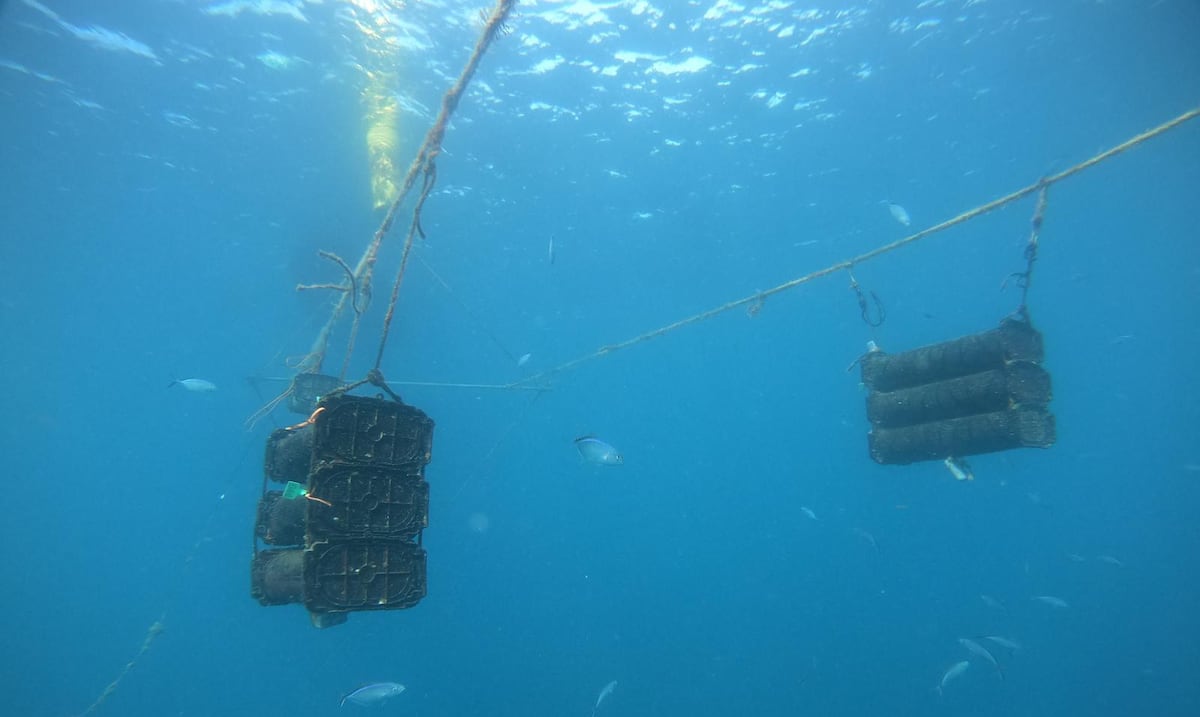
The finding is not an isolated data point. It arrives at a moment when Culebra is home to the only authorized oyster farm in all of Puerto Rico, a pilot project that since 2020 has tried to prove the mollusk can be farmed sustainably without depending on imports or putting more pressure on wild populations 23. Marine biologist Nicolás X. Gómez Andújar and environmental scientist Megan Considine lead the effort alongside the Culebra Fishing Association, with scientific backing from the Marine Environment Society (SAM) and NOAA research funding 23.
The logic behind all this is simple: Puerto Rico has the mangrove habitat and coastal waters ideal for oyster farming, but for decades the local market got used to buying imported product because no organized domestic industry existed. Now that the study confirms where the supply actually comes from, the goal is clear — turn oyster farming into a real economic opportunity for fishers and small businesses, without depending on the boat that brings product in from Florida or Louisiana 1.
The numbers behind the wave
At the Culebra farm, located between Punta Soldado and Cayo Pirata, two native species are cultivated: the mangrove oyster and the Atlantic pearl oyster, both chosen because they already live naturally among the island’s mangrove roots 3. The project has certified 16 young people in diving since it began, a figure the team highlights as proof the initiative is also planting skills and jobs in a fishing community that has faced years of government neglect and climate pressures 34. Wild oyster harvesting, meanwhile, has historically concentrated in areas like Boquerón and Loíza, according to Considine, who emphasizes that the Culebra farm does not compete with those fishers but instead opens an additional path 2.
Beyond the economic potential, oysters serve an ecological function few consumers know about: as filter feeders, they help improve coastal water quality, absorbing excess nutrients and sediment 2. That makes every oyster farm a double-duty tool — food production and environmental restoration at once, something that matters even more in Puerto Rican waters where agricultural and urban runoff has degraded reefs and mangrove zones for years.
What it means for you
If you live near the coast or simply enjoy eating seafood, this study touches you more than it might seem. First, it means a local alternative is developing to a product we almost always assume comes from elsewhere. Second, supporting Puerto Rican oyster farming has a direct environmental effect: the more farms like Culebra’s operate, the more coastal water gets filtered and cleaned naturally. Third, the study puts real numbers on an industry that until now operated almost invisibly, opening the door for government agencies and nonprofits to design policy and funding based on real data instead of assumptions.
How to do it / Checklist
- Ask at the restaurant or fish market whether the oysters you’re buying are local or imported — most businesses don’t advertise this yet, but an informed consumer starts to shift that habit.
- Follow Mujeres de Islas and the Culebra Fishing Association on social media to learn when the pilot farm starts selling directly to the public.
- If you live in or visit Culebra, ask about workshops or volunteer opportunities tied to the oyster farming project — they have certified young people in diving and are looking for more hands.
- Support wild oyster harvesters from Boquerón and Loíza, whose fishing communities depend on that traditional harvest and shouldn’t get lost in the aquaculture conversation.
- If you work in hospitality or are a chef, consider adding a note to the menu about where your seafood comes from — transparency helps build demand for the local product.
What’s next
The Culebra team has said its goals are to increase production capacity, install depuration tanks to meet sanitary standards, and eventually obtain the commercial permits that would let it sell at larger scale beyond the pilot phase 3. If the Mujeres de Islas study translates into public policy or economic incentives, Puerto Rico could see more farms like Culebra’s emerge on other coasts in the coming years — a small industry with the potential to reduce imports, generate fishing jobs, and add another tool for coastal restoration in an archipelago where every gram of environmental resilience counts.
Sources: 1 El Nuevo Día — https://www.elnuevodia.com/ciencia-ambiente/flora-fauna/notas/sembrar-en-el-mar-investigadores-y-pescadores-optimizan-el-cultivo-de-ostras-en-puerto-rico/ 2 Sociedad Ambiente Marino (SAM) — https://sampr.org/2026/08/01/la-primera-finca-de-ostras-en-puerto-rico-esta-en-culebra/ 3 9Millones — https://www.9millones.com/story/la-comunidad-pesquera-de-culebra-apuesta-al-cultivo-de-las-ostras 4 9Millones — https://www.9millones.com/story/pescadores-se-organizan-para-proteger-su-sustento-ante-abandono-gubernamental
Sources
CoquiList summary and local context. Read the linked sources for the original reporting.
Ask about this story
Ask anything about this article — in English or Spanish.
Log in to ask about this story.
Comments (0)
Log in to join the conversation.
No comments yet — be the first.