Erosion Threatens 75% of Surveyed Beaches on Puerto Rico's North Coast
CoquiList · With information from El Vocero
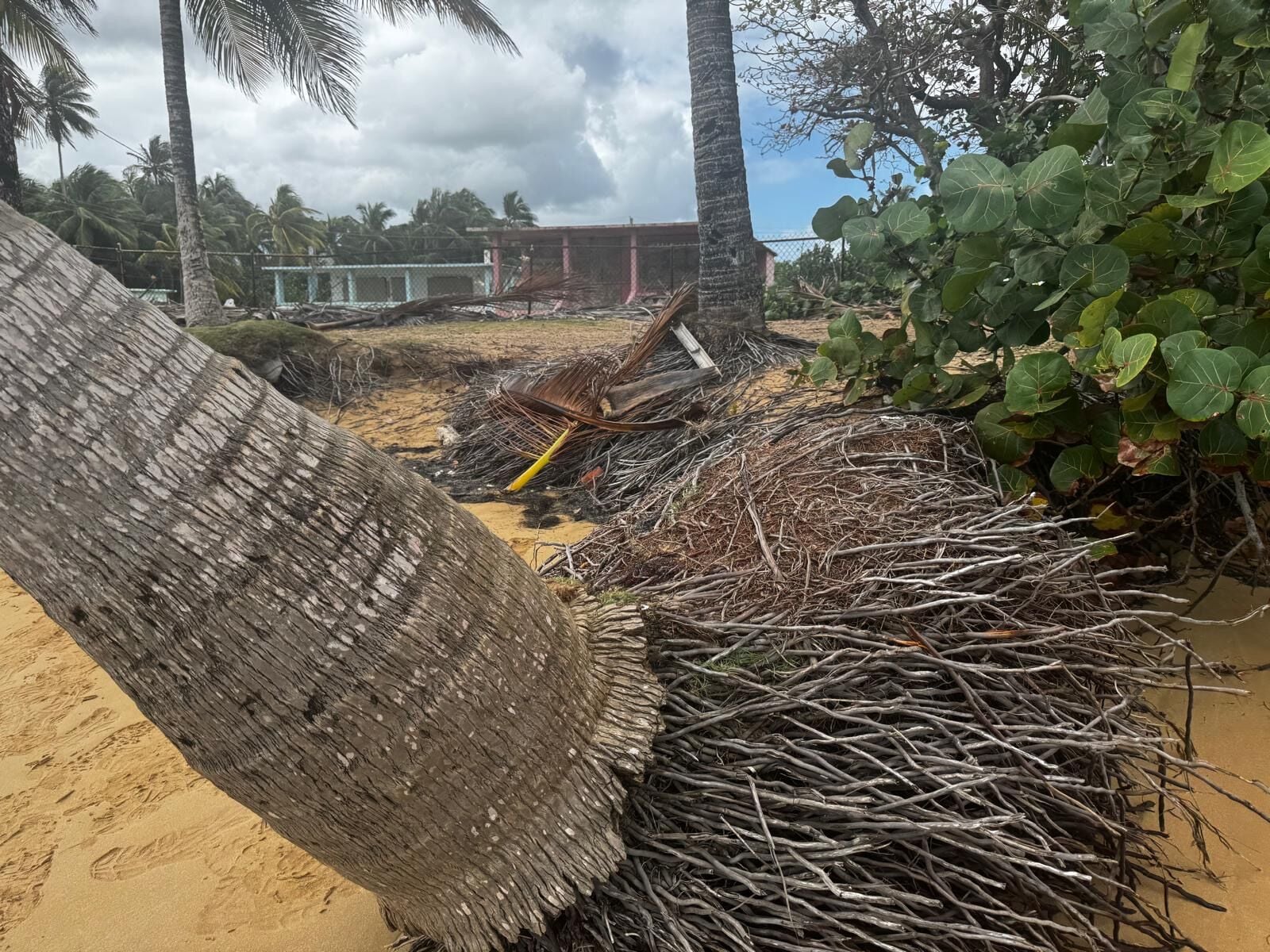
Puerto Rico's north coast is losing sand, and the numbers are stark: 75% of surveyed beaches show active erosion 1.
A study by the Coastal Research and Planning Institute of Puerto Rico (CoRePI-PR) at the University of Puerto Rico, Río Piedras campus — validated and published by the U.S. Geological Survey (USGS) — analyzed beaches across 11 municipalities: Rincón, Aguadilla, Isabela, Hatillo, Arecibo, Vega Baja, Dorado, Carolina, Loíza, Río Grande, and Luquillo, using data from 2018, 2022, and 2023. Only 25% of beaches showed accretion — meaning sand gain.
Beach width reductions range from 0.01 to 92 meters. Most retreats are under 15 meters, but the most significant losses are linked to winter swells and severe erosion events 1. Where accumulation occurred, gains range from 0.01 to 154 meters.
"The findings confirm the continuity of coastal erosion processes in Puerto Rico," said Dr. Maritza Barreto Orta, who co-directs the project with Dr. Kevián Pérez Valentín, in collaboration with Dr. Legna Torres García of the USGS 1. The study was funded by a competitive $499,000 two-year grant.
The report also identifies a widespread problem: beach fragmentation caused by vegetation, rock outcrops, and built infrastructure reduces beaches' natural capacity to dissipate wave energy 1.
The Dredging Standoff in Loíza
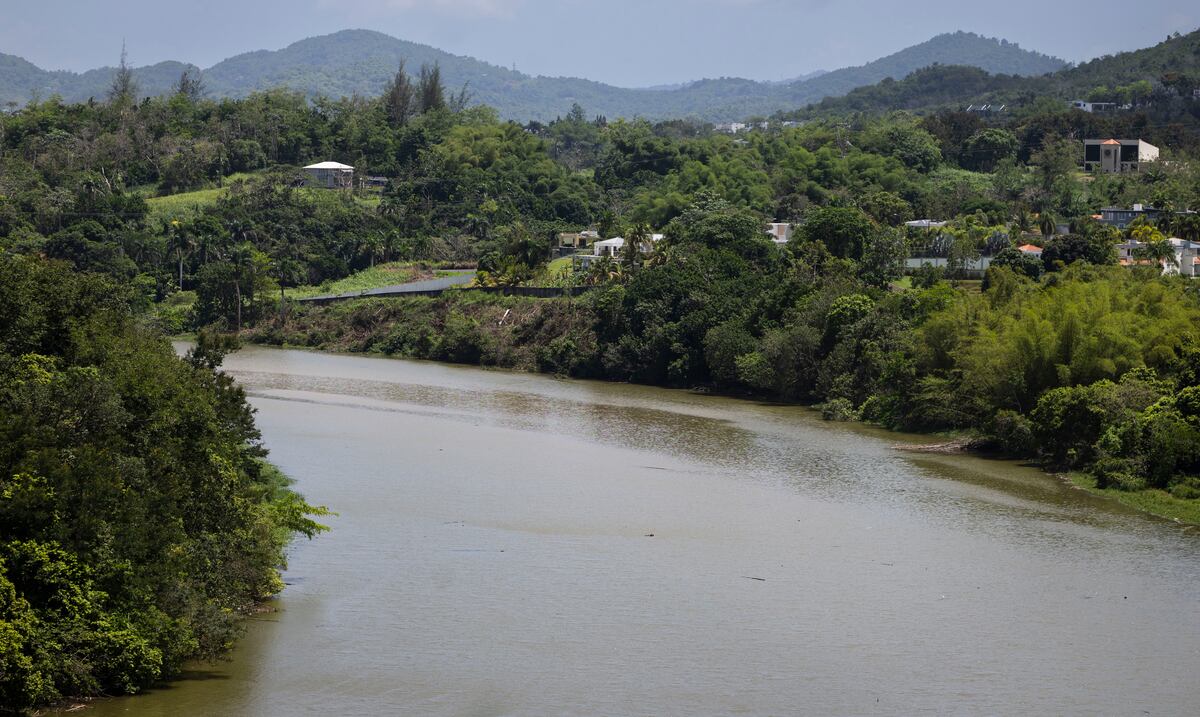
Meanwhile, DRNA is clashing with the U.S. Army Corps of Engineers over dredging work at Río Grande de Loíza. On July 8, the Corps issued a cease-and-desist order, claiming the dredging was carried out without federal authorization 2.
DRNA Secretary Waldemar Quiles Pérez defends the work: two endangered manatees became trapped when sand blocked the river's outlet, putting their lives at risk due to oxygen depletion and food scarcity. DRNA argues the operation falls under Section 60 of the general permit signed by the Corps itself in February 2026 2. Federal penalties could reach $50,000 per day of violation, with individual fines of $100,000 and corporate fines of $200,000.
Federal Changes to Species Protection
Compounding the environmental picture, on July 17 the U.S. Fish and Wildlife Service published new guidelines that eliminate certain protections for species classified as "threatened" under the Endangered Species Act (ESA) 3. Puerto Rico has 351 species of conservation concern — 81 more than the 2015 list. The manatee population in Puerto Rico's waters is estimated at just 300 to 500 individuals; more than 3,000 would be needed to delist them 3.
Grisel Rodríguez Ferrer, a biologist with DRNA's Marine Mammal Rescue Program, warned that "the impact will come in many ways," affecting federal funding and the regulatory framework that protects species like the Caribbean manatee, mountain coquí, Puerto Rican parrot, and sea turtles 3.
What It Means for You
If you live on the north coast — from Rincón to Luquillo — this hits close to home. Beaches you visit regularly could be losing meters of sand each year. Coastal infrastructure, from homes to roads, becomes more exposed to storm surge and flooding as the beach buffer shrinks.
The standoff between DRNA and the Army Corps over dredging in Loíza illustrates the tension between acting fast to protect wildlife and following federal processes. And changes to threatened species regulations could mean less protection for animals and plants on land targeted for development.
What You Can Do
- Report erosion you observe at your local beach to DRNA (787-999-2200) or your municipal emergency management office.
- Check your flood risk: look up FEMA maps to see whether your coastal property is in a high-risk zone.
- Avoid building in coastal retreat zones: CoRePI-PR study data is available through the USGS.
- If you see a stranded or endangered manatee, call DRNA immediately — do not try to move it yourself.
- Stay informed about ESA changes and how they affect local species by visiting the DRNA portal.
What Comes Next
The CoRePI-PR team will continue monitoring north coast beaches with remaining grant funding. DRNA must formally respond to the Army Corps about the Loíza dredging — penalties could escalate if the dispute isn't resolved. And at the federal level, DRNA will assess over the coming weeks the full impact of the new ESA guidelines on the 351 species on its conservation list.
Sources: 1 El Vocero, "Erosion threatens 75% of evaluated beaches on Puerto Rico's north coast" 2 El Vocero, "DRNA defends dredging in Río Grande before the Army Corps of Engineers" 3 El Nuevo Día, "DRNA evaluates impact of changes to federal regulations on threatened species"
Sources
CoquiList summary and local context. Read the linked sources for the original reporting.
Ask about this story
Ask anything about this article — in English or Spanish.
Log in to ask about this story.
Comments (0)
Log in to join the conversation.
No comments yet — be the first.