DRNA Captures Rhesus Monkey Roaming Las Cabezas de San Juan Lighthouse in Fajardo
CoquiList · With information from Metro Puerto Rico
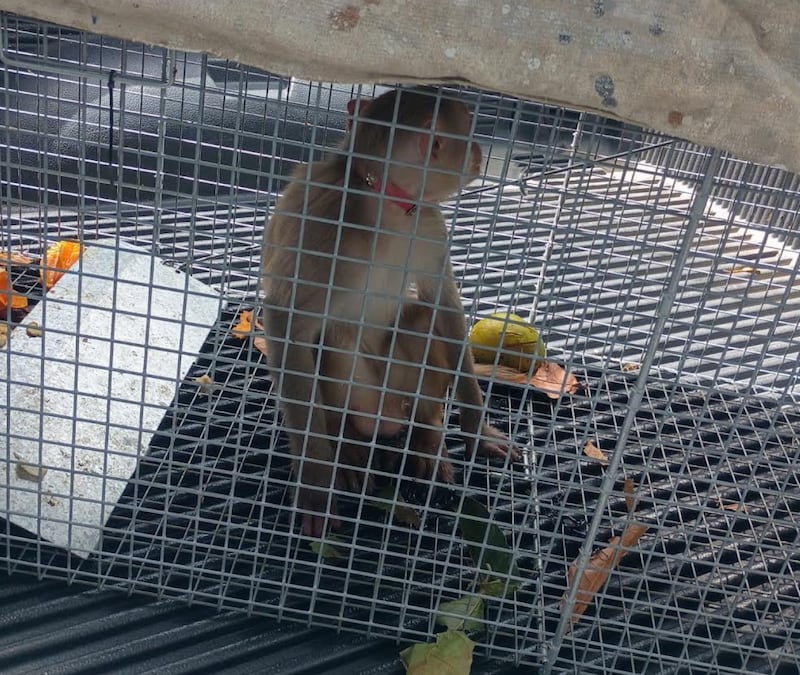
The Vigilance Corps of the Department of Natural and Environmental Resources (DRNA) captured a rhesus monkey (Macaca mulatta) Saturday morning as it roamed the grounds of the Las Cabezas de San Juan lighthouse in Fajardo, during a routine preventive patrol. The animal was transported that same day to the Center for Rehabilitation of Native Species and Management of Exotic Species in Cambalache, Arecibo, for evaluation12.
"Personnel carrying out preventive patrols encountered a rhesus monkey roaming the lighthouse area. It was trapped and sent, that same day, to the Rehabilitation Center," said DRNA Secretary Waldemar Quiles Perez, confirming the discovery1. The Las Cabezas de San Juan reserve, managed in part by the Puerto Rico Conservation Trust, is one of the island's few remaining coastal dry forests, home to a historic lighthouse, mangroves, coral reefs and a bioluminescent lagoon — making it a sensitive site for any invasive species.
The rhesus monkey is native to South and Southeast Asia and is not indigenous to Puerto Rico. It is identified by its grayish-brown coat and pink facial features, and is highly adaptable, social and omnivorous, feeding on fruits, seeds, insects, small animals and, when available, human food12.
Puerto Rico has grappled for decades with primate populations that escaped or were released from former biomedical research colonies established in the island's southeast, particularly in the Lajas and eastern coastal areas. With no natural predators in the Caribbean, these animals have adapted well to the wild and occasionally turn up in coastal and urban areas far from their known population centers12.
What this means for you
If you live, work or visit Fajardo, Luquillo, Ceiba or any municipality with coastal forests and nature reserves, the presence of rhesus monkeys is not an isolated or harmless event. These animals can transmit zoonotic diseases, including herpes B virus, which is dangerous to humans through direct contact with bites, scratches or fluids. They also pose a threat to native wildlife.
How to handle it / Checklist
- If you encounter a rhesus monkey or other exotic animal, do not approach it, feed it, or try to capture it yourself.
- Call DRNA's Vigilance Corps immediately at 787-999-2200, extension 2911.
- Alternatively, report the sighting through DRNA's official social media channels.
- If the animal shows aggressive behavior or is near schools or residential areas, include that detail in your report.
- Avoid publicly posting the exact location on social media in a way that draws curious onlookers.
- If you manage a farm near forested areas in eastern PR, report crop damage that may be linked to primates.
What's next
The captured individual will remain under evaluation at the Cambalache Center, where DRNA will determine its health status and final disposition — typically including quarantine and a decision on relocation or permanent captive management. The agency has not announced an expanded capture operation in the Fajardo area, but incidents like this one tend to intensify preventive patrols in nearby nature reserves12.
Sources 1 Metro Puerto Rico — "Capturan mono en los predios del Faro de Las Cabezas de San Juan" — August 10, 2026 2 NotiUno — "Capturan mono rhesus en Faro Las Cabezas de San Juan" — August 10, 2026
Sources
CoquiList summary and local context. Read the linked sources for the original reporting.
Ask about this story
Ask anything about this article — in English or Spanish.
Log in to ask about this story.
Comments (0)
Log in to join the conversation.
No comments yet — be the first.