DNER activates task force to fast-track dry dredging of Carraízo: 500,000 cubic yards of sediment and $20 million
CoquiList · With information from elnuevodia.com
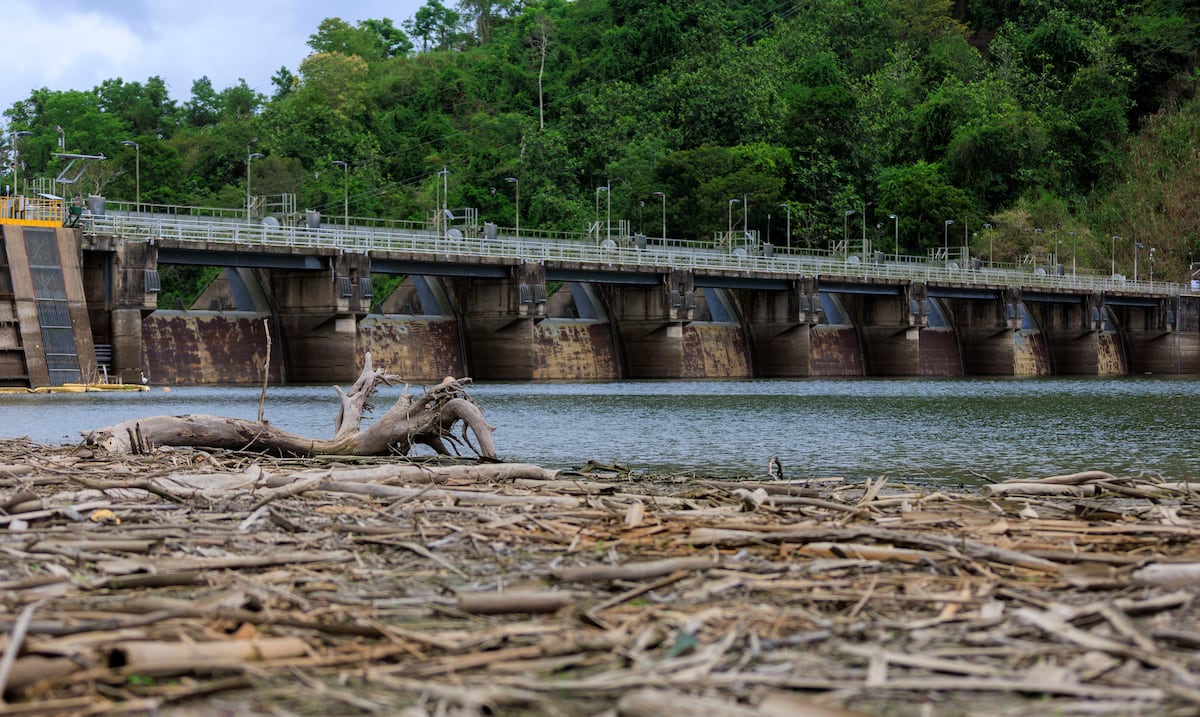
The Department of Natural and Environmental Resources (DNER, or DRNA in Spanish) activated an internal working group — a task force — on Saturday, August 22, to fast-track the permits and coordination for the dry dredging of the Carraízo reservoir, the project through which the government aims to recover some 50 million gallons of storage capacity while more than 183,000 metro-area customers remain under water rationing 13. The announcement comes at a critical moment: that same Saturday, Carraízo woke up at 37.46 meters, six centimeters lower than the day before, and 12 of the 19 reservoirs monitored by the Aqueduct and Sewer Authority (AAA) lost level again 4.
DNER Secretary Waldemar Quiles Pérez explained that the group will hold constant meetings over the coming weeks to guarantee the integrity and transparency of the process, and called dry dredging essential for a reservoir built in the 1950s 1. The task force is made up of the interim director of the San Juan Regional Office and director of Regional Operations, the leadership of the Recovery and Mitigation Office, and DNER's Auxiliary Secretariat of Operations, with representatives of the AAA and the Puerto Rico National Guard set to join soon 1.
Background
Carraízo, in Trujillo Alto, is the water source for the Sergio Cuevas Bustamante filtration plant, which serves sectors of San Juan, Trujillo Alto, Carolina, Canóvanas, Loíza, Gurabo and Juncos. Since August 7, some 183,000 customers in those seven municipalities have lived under a plan of scheduled interruptions in alternating 48-hour cycles, activated when the reservoir fell below the operational-adjustments level amid the drought 3. That same day, the AAA began the permitting and planning work for dry dredging along the shorelines the drought itself left exposed, with a preliminary projection of removing 500,000 cubic yards or more of sediment, debris, vegetation and solid waste 2.
The project's technical key is that the machinery would work from dry land, without entering the water, which according to DNER would avoid the permitting process with the U.S. Army Corps of Engineers — a federal procedure that would otherwise take a minimum of 60 days 23. There is precedent: in 2015, during another drought, a similar intervention at the La Plata reservoir removed more than 500,000 cubic yards 2. And just this past March 2026, the federally funded hydraulic dredging of Carraízo was completed, removing millions of cubic meters of sediment accumulated since the 1990s 3.
The numbers
The estimated cost of the dry dredging is around $20 million 3. The goal is to give the reservoir back roughly 50 million gallons of storage capacity 1. The removed material will be loaded onto trucks and disposed of outside the reservoir area 3. According to Quiles, the work could start by the middle of next week, once the permit coordination that began last week is completed 12.
Meanwhile, levels keep dropping. On Saturday, Carraízo measured 37.46 meters and needs to reach 38.50 meters to return to the observation phase and put an end to rationing within reach 4. La Plata, which supplies another part of the metro area, fell to 45.42 meters and is 52 centimeters away from also entering operational adjustments 4. AAA Executive President Luis Reinaldo González Delgado has already warned that, if it does not rain over the watersheds, additional measures will be needed to preserve the supply, because Carraízo's final water intake operates at 30 meters 2.
What it means for you
If you live in San Juan, Trujillo Alto, Carolina, Canóvanas, Loíza, Gurabo or Juncos, the 48-hour rationing remains in place and is not lifted by this announcement 34. Dry dredging is not immediate relief: it is a bet that, when the rains return, the reservoir will be able to hold more water and future rationing will be less severe or shorter 12. In the short term, your situation depends on rainfall over the Río Grande de Loíza watershed and on how fast the reservoir keeps dropping 4.
How to do it / Checklist
- Check your zone (1 or 2) of the rationing plan at acueductosonline.com or on the AAA's social media before planning your week.
- Store clean water in covered containers during your service hours: figure a minimum of one gallon per person per day.
- Follow the @AcueductosPR account on X, where the AAA publishes the levels of the 19 reservoirs daily.
- Report leaks immediately to (787) 620-2482, the AAA's customer service line: every gallon lost counts during the emergency.
- If you run out of water outside your scheduled turn, ask about the oasis stations set up by the AAA and your municipality.
- Cut non-essential use: no car washing or garden watering while the drought emergency lasts.
What's next
The task force will hold meetings over the coming weeks and the dredging work could begin by the middle of this coming week, according to DNER 1. The AAA and the National Guard will join the group soon 1. The deciding factor will still be the sky: without sustained rain over the watersheds, Carraízo will keep dropping and the AAA would have to evaluate additional measures, including the possibility of extending the rationing cycles 24.
Sources
- El Nuevo Día — DRNA crea task force para agilizar dragado en seco del embalse Carraízo (August 22, 2026)
- NotiCel — La AAA inicia gestiones para dragado en seco de Carraízo (August 7, 2026)
- Primera Hora — AAA aprovechará la sequía para dragar orillas del embalse Carraízo (August 7, 2026)
- El Nuevo Día — Monitoreo diario: Carraízo baja otros seis centímetros y La Plata pierde siete (August 22, 2026)
CoquiList summary and local context. Read the linked sources for the original reporting.
Ask about this story
Ask anything about this article — in English or Spanish.
Log in to ask about this story.
Comments (0)
Log in to join the conversation.
No comments yet — be the first.