Cidra Joins Carraízo: Two Reservoirs Now in Crisis as Nearly 59,000 Customers Lose Water
CoquiList · With information from El Nuevo Día
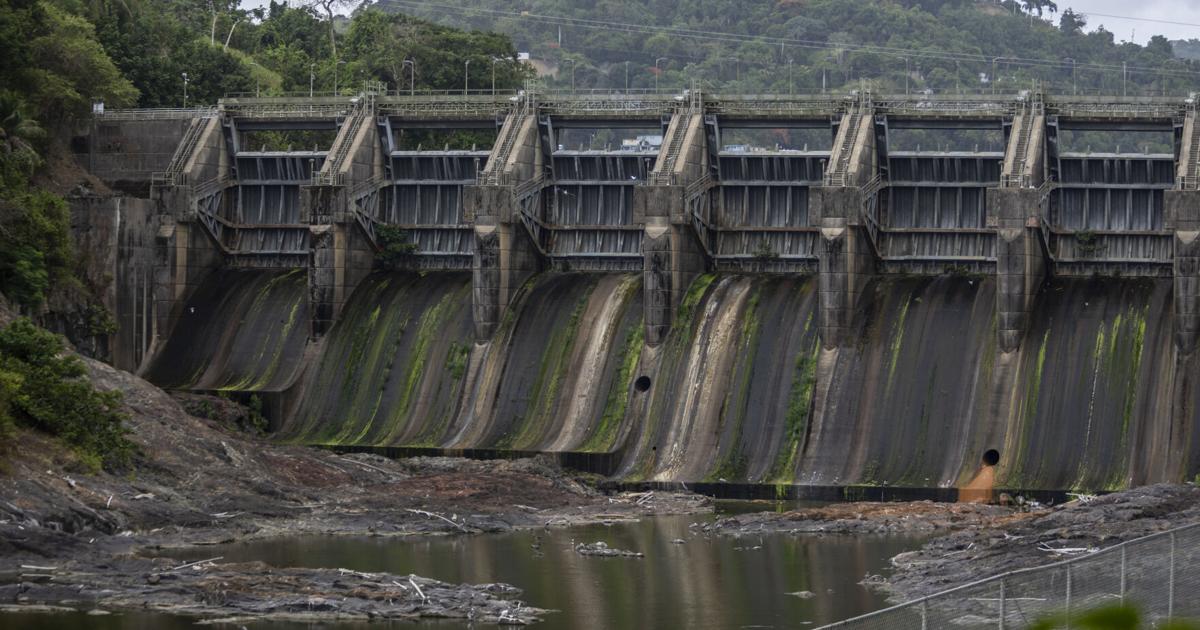
The Cidra reservoir became the second reservoir operated by the Puerto Rico Aqueduct and Sewer Authority (AAA) to enter the operational adjustments phase this weekend, joining the Carraizo reservoir that has been in the same classification for days 1. With both reservoirs in crisis, nearly 59,000 customers across the metropolitan area and the central-south region face water service interruptions as the most severe drought in decades tightens its grip on the island.
The numbers are alarming: Cidra's level dropped to 400.20 meters, after a sustained decline from the 400.60 meters recorded on July 9 2. Meanwhile, Carraizo registered 37.88 meters, a drop of 55 centimeters in just one week 2. The AAA responded by reducing the filtration capacity at the Sergio Cuevas plant from 80 million gallons per day to approximately 60 million, a 25 percent cut 1.
The Crisis by the Numbers
The situation directly impacts two large population blocks:
- Carraizo: 44,355 customers without service in San Juan, Carolina, and Canovanas. Affected sectors include Caimito, Cupey, Monacillo, El Cinco, Sabana Llana Sur, St. Just, Vistamar, and rural areas along PR-962 13.
- Cidra: 14,537 customers at risk in Aguas Buenas, Caguas, Cayey, and Cidra 2.
- Six additional reservoirs remain under observation: La Plata, Rio Blanco, Fajardo, Matrullas, Guayabal, and Cidra itself before its reclassification 4.
A specialized diving team is working inside Carraizo to enable additional water intake points and maximize extraction of available resources 1. The AAA also deactivated one pump at Carraizo to slow the extraction rate and extend the reservoir's useful life.
The Context: Why It's Getting Worse
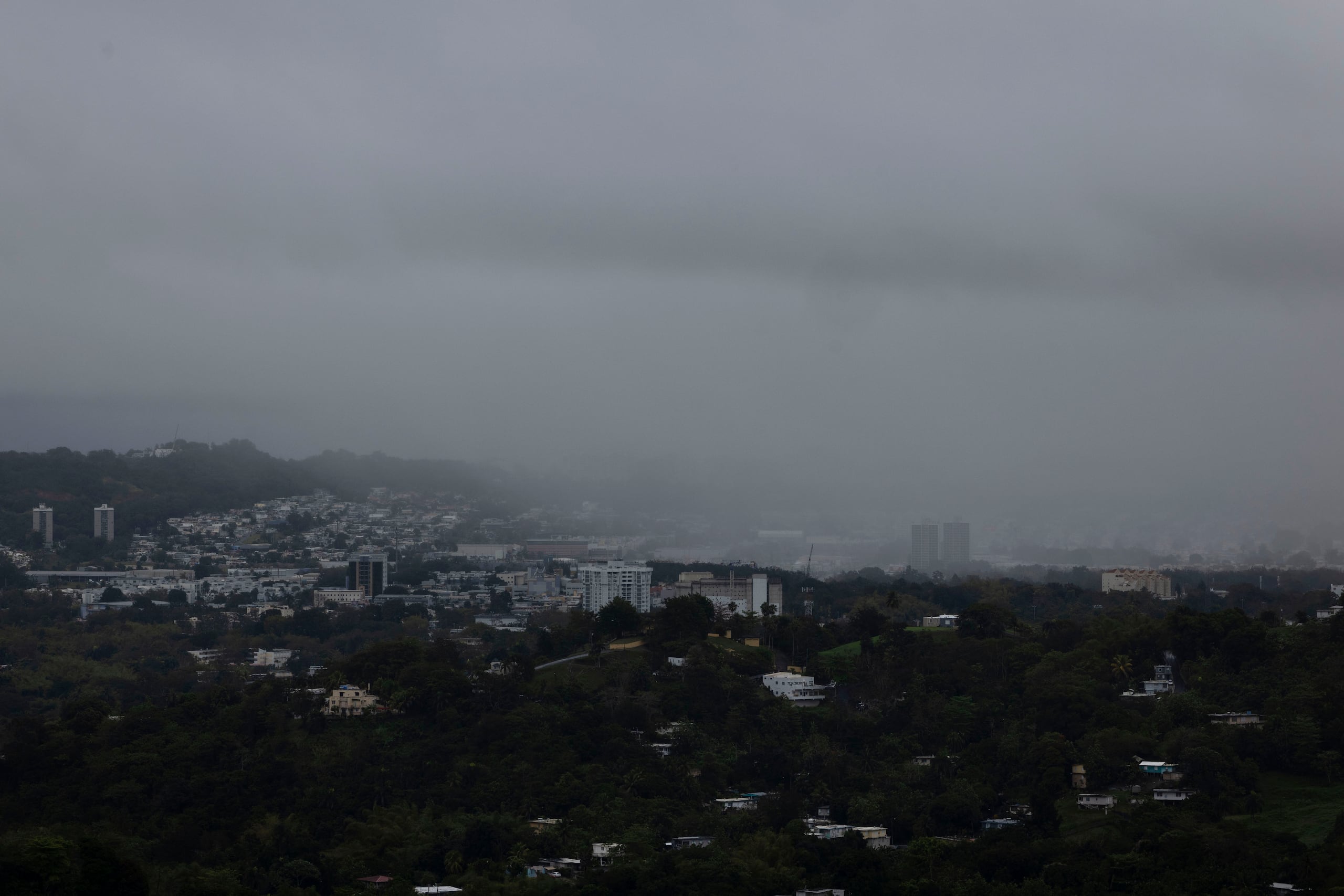
San Juan closed July as its driest month on record. Projected rainfall through October remains 70 percent below normal. Now, the National Weather Service (NWS) forecasts the arrival of Saharan dust this week, meaning hazy skies, deteriorated air quality, and most critically, less chance of significant rainfall 4.
The heat index continues to exceed 100 degrees Fahrenheit in urban areas and lowlands, driving up water consumption precisely when there is less available.
Luis Gonzalez Delgado, the AAA's executive president, warned that if drought conditions continue, programmed rationing is "inevitable" 2. The agency has established water distribution trucks (oasis stations) at Estancias de Boulevard, Brisas de Cupey, and Fairview for residents without service 1.
Previous dredging of the Carraizo reservoir recovered more than 2 million cubic meters of storage capacity, delaying the arrival at critical levels compared to previous droughts in 2015 and 2020 4. However, the severity of this drought has surpassed that advantage.
What This Means for You
If you live in the area served by Carraizo (San Juan, Carolina, Canovanas), you are already experiencing interruptions. If you are in the Cidra service zone (Aguas Buenas, Caguas, Cayey, Cidra), prepare now because operational adjustments mean water pressure will drop and you could lose service for extended periods.
The reduction from 80 to 60 million gallons per day at the Sergio Cuevas plant means one quarter of the water that normally flows through the pipes is simply no longer available. Residents farthest from the filtration plant or main lines will be the last to receive service when it is restored.
With Saharan dust arriving this week, the chances of significant rainfall are minimal. This is not improving anytime soon.
How to Prepare / Checklist
- Store water now. Fill clean containers, bathtubs, and any available receptacles. If you don't have a cistern, consider investing in one before prices rise further (a government price freeze is already in effect on cisterns, pumps, and piping).
- Locate AAA oasis stations. If you are in the Carraizo zone, distribution points are at Estancias de Boulevard, Brisas de Cupey, and Fairview. Bring your own containers.
- Reduce consumption immediately. Turn off the faucet while soaping up. Only run the washing machine with full loads. Do not water the garden. Every gallon counts.
- Check if your sector is on the list. The AAA publishes updates on affected sectors. San Juan neighborhoods with the greatest impact: Cupey, Monacillo, Caimito, Pueblo, San Antonio, Sabana Llana Sur.
- Monitor air quality. With Saharan dust arriving, people with asthma or respiratory conditions should limit outdoor activities.
- Harvest rainwater. When it rains (however little), capture as much water as possible. Free rainwater harvesting courses are available as a resource.
- Report leaks. Call the AAA (787-620-2482) if you see leaks in your sector. In a crisis, every wasted drop is unacceptable.
What Comes Next
The coming week will be critical. The AAA president has already used the word "inevitable" to describe programmed rationing if the drought continues 2. Public Affairs Secretary Jean Pena Payano indicated that citizens should be "attentive to announcements in the coming days" regarding when rationing would begin and which areas would be affected 4.
If more of the six reservoirs under observation fall to operational adjustment levels, the crisis will expand to additional municipalities. The arrival of Saharan dust this week reduces the chances of natural relief. Puerto Rico enters August with no margin for error on water supply.
Sources
CoquiList summary and local context. Read the linked sources for the original reporting.
Ask about this story
Ask anything about this article — in English or Spanish.
Log in to ask about this story.
Comments (0)
Log in to join the conversation.
No comments yet — be the first.