Nine Years After María, 500 Families Still Live Under Blue Tarps as Federal Funding Clock Runs Out
CoquiList · With information from Metro Puerto Rico
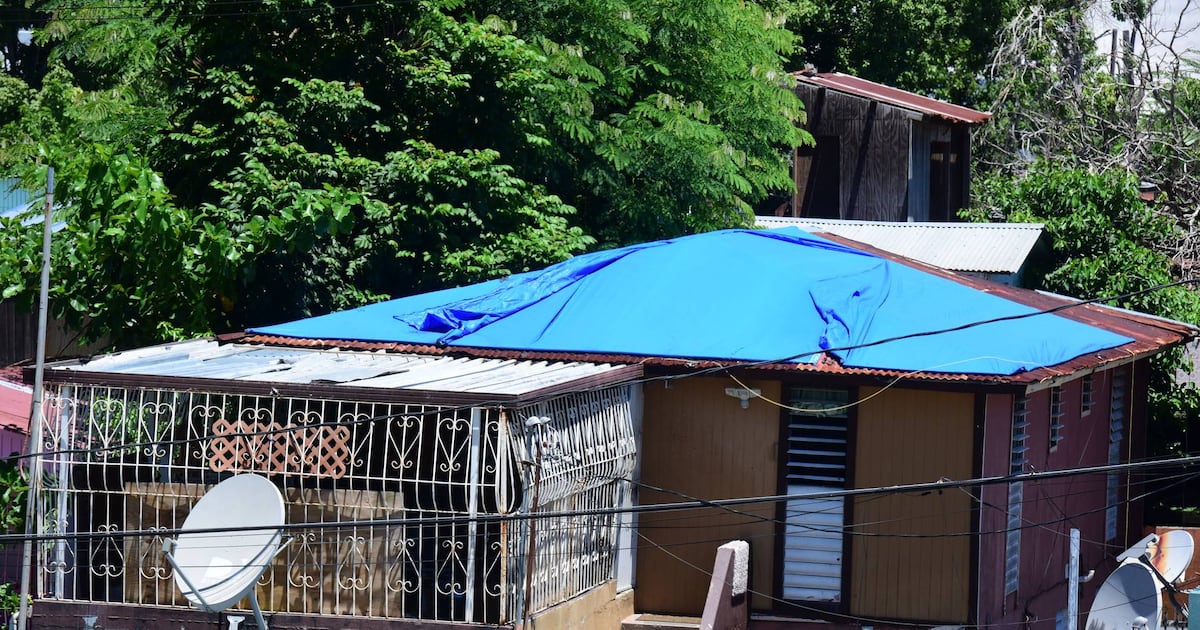
Nine years after Hurricane María made landfall, nearly 500 Puerto Rican families are still sleeping under blue tarps, according to Housing Department Secretary Luis Augusto Martínez Román, who confirmed the figure this week 1. The storm hit on September 20, 2017 with winds up to 175 mph, and almost a decade later the government is racing against the deadlines on the federal recovery funds that pay for the remaining repairs.
"Whenever we have even a single person under a blue roof, that represents a significant number to me," Martínez Román said, acknowledging that the Housing Department has identified concrete obstacles keeping these cases stuck: incomplete document submissions, poor information management, and accessibility problems reaching affected homes 1. Some families also fail to meet the federal program's requirements, which has forced the agency to seek partnerships with nonprofit organizations to close the gap 1.
The main vehicle for resolving these cases is the R3 Program (Repair, Reconstruction or Relocation), funded through CDBG-DR and CDBG-MIT grants from the federal Department of Housing and Urban Development (HUD), with an allocation of $2,922,780,619 3. The program is now closed to new applications, but according to the official recovery portal, 256 units remain under construction and another 176 are in the design and permitting phase within the existing case inventory 13. R3 prioritizes, in order, applicants age 65 or older, people with disabilities, and cases of significant property damage 3.
The numbers behind the federal clock
The funds sustaining this reconstruction have an expiration date. According to figures cited by the secretary, CDBG-DR funds are roughly 75% obligated, with 2029 as the cutoff, while CDBG-MIT mitigation funds are obligated between 70% and 75%, with a 2033 deadline 1. HUD originally allocated $10 billion in CDBG-DR funds to Puerto Rico on February 9, 2018, on top of billions more in mitigation funds awarded after María 4.
While the government manages the winding-down of these programs, the nonprofit Techos Pa' Mi Gente (Roofs For My People) has spent nine years filling the gap. Its director, Amarilis González Domínguez, a retired public school teacher with 17 years of service, founded the initiative after a social media post went viral days after María, when it was still called "Toldos Pa' Mi Gente" (Tarps For My People) 2. Today the organization, which operates without a single dollar of federal, state, or municipal funding, has rebuilt 143 roofs, but it faces real economic pressure: the cost of a new roof has climbed from roughly $5,000 to $18,000, close to a 60% jump in construction material costs 2. Hundreds of families remain on its waitlist, though González Domínguez estimates the real need reaches thousands of households 2. The organization, based on Almería Street 327 in San Juan, is also negotiating a usufruct agreement with the Housing Department for its operations center, in which it has already invested more than $600,000 2.
What this means for you
If you or a family member are still living under a blue tarp or with unrepaired roof damage dating back to Irma or María, the clock is running on two fronts: your safety heading into the next hurricane season, and the federal funding that may stop being available as the 2029 and 2033 deadlines approach 14. Although R3 is not accepting new applications, your case may still be active within the existing inventory, and the Housing Department says it evaluates each file individually 1. Community alternatives, such as Techos Pa' Mi Gente, also exist for those who don't qualify under the federal criteria 2.
How to do it / Checklist
- If you previously submitted an R3 application, call the Housing Department or visit a regional office to confirm your case's status within the inventory of 256 units under construction or 176 in design 13.
- Gather basic documentation: photo ID, proof of property ownership or possession, proof of primary residence at the time of the hurricanes, and income verification, since missing paperwork is one of the reasons the agency cited for the delays 13.
- If your case was denied or you don't qualify due to income or ownership issues, contact Techos Pa' Mi Gente at Almería Street 327, Santurce, San Juan, to see whether you can join its community waitlist 2.
- Follow up on your file regularly. Secretary Martínez Román warned that every case must fit within the funding timeline, so inaction can mean losing the assistance window 1.
- If your roof poses an immediate risk from rain or wind, document the damage with dated photos and keep copies of all communication with the agency, in case you need to appeal a decision.
What's next
With CDBG-DR funds approaching their 2029 obligation deadline and CDBG-MIT funds facing a 2033 cutoff, the Housing Department is under pressure to close the blue-tarp chapter before the available financing expires 14. The agency is also facing added scrutiny: a federal audit found that 57% of the solar panel and cistern installations under the CEWRI program, another post-María recovery effort, had deficiencies, with roughly $19 million in work that failed to meet requirements. That adds pressure on how the remaining funds are managed to finish the 256 units under construction and 176 in design under the R3 program before time runs out 13.
Sources
1 Hundreds of Blue Tarps Remain Nine Years After Hurricane María — Metro Puerto Rico 2 Nine Years After María, the Need for a Dignified Roof Persists — El Nuevo Día 3 R3 Program — CDBG-DR/MIT Recovery Funds, Government of Puerto Rico 4 CDBG-DR — CDBG-DR Funds, Government of Puerto Rico
CoquiList summary and local context. Read the linked sources for the original reporting.
Ask about this story
Ask anything about this article — in English or Spanish.
Log in to ask about this story.
Comments (0)
Log in to join the conversation.
No comments yet — be the first.