2,390 titles and counting: the free program that finally puts your Puerto Rico home in your name
CoquiList · With information from NotiCel
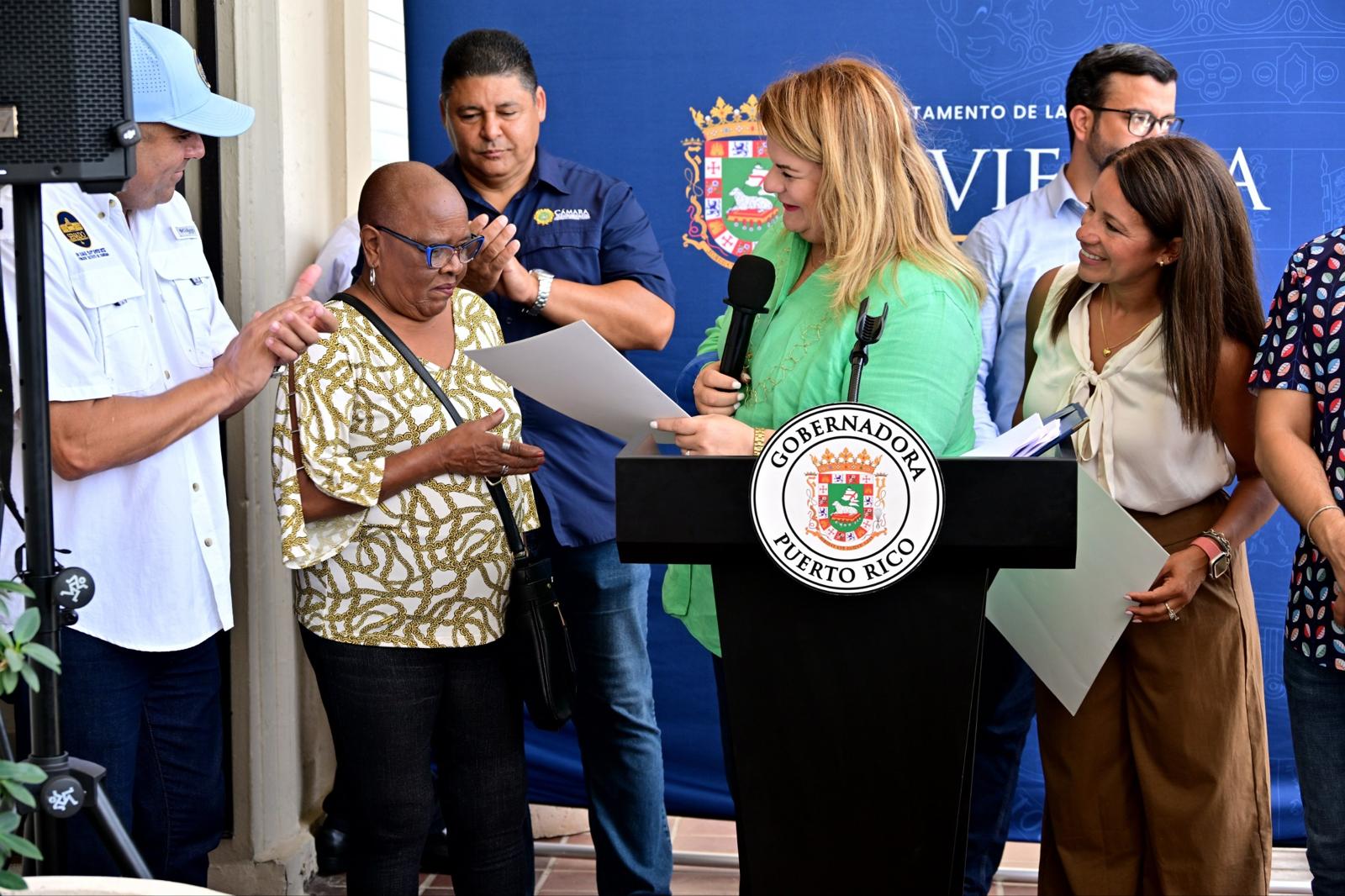
Thousands of Puerto Rican families live in homes they built with their own hands but that legally do not belong to them. That reality, so common across the island, was back in the headlines this week: on July 14, the government handed 19 property titles to families in Salinas, among them the Arroyo Caraballo family, who waited 45 years for the document that finally gives them legal certainty over their home 1. Behind that ceremony lies an enormous problem and a free program many people still do not know exists.
The root problem
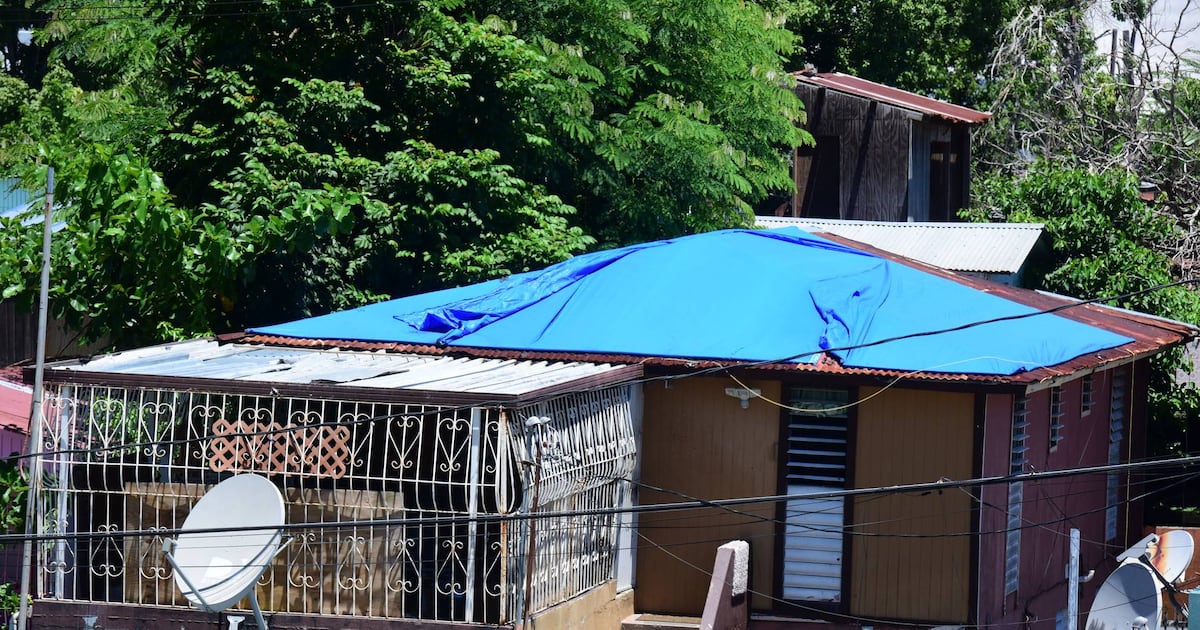
An estimated 260,000 homes in Puerto Rico were built without permits or legal documentation, many on plots the government itself handed out in the 1940s and 1950s without ever granting a formal title 1. "It is very common in many communities that back in the 40s and 50s people were placed on parcels but were never formally granted the title," explained Housing Secretary Luis Martínez Román 1. The result is families who have lived in a house for generations with no way to prove it is theirs, often occupying the land under a right of use and enjoyment or a construction right under the Land Law 2.
That legal gap turned into tragedy after Hurricane María. Of the 1.2 million aid requests filed, roughly 60% were ruled ineligible, partly because families could not prove ownership 1. "When a disaster strikes and you do not have a property title, there is no government help available," summed up Governor Jenniffer González Colón 1. Without that paper, the home is left out of nearly every recovery program.
The numbers
To attack the problem, the Department of Housing runs the Title Authorization Program, funded with more than $40 million in federal CDBG-DR dollars 12. The goal is to deliver up to 48,000 legalized titles, recorded in the Property Registry, to low- and moderate-income families across all 78 municipalities 2. The program fully covers costs that normally run between $10,000 and $50,000 per case: attorney fees, title studies, registration and legal procedures 3.
So far, this administration has delivered 2,390 titles 1. In 2025 alone it granted 1,120, including 190 titles to families in 51 municipalities in December 3. In July 2026, 38 more titles were added in Maricao, several after more than two decades of waiting 4. To qualify, the household must have low or moderate income —the threshold is around $34,000 to $36,000 a year— and must have occupied the property as its primary residence 12.
What it means for you
A property title is not just a piece of paper. It is the difference between being able to pass your home to your children without lawsuits, sell it, use it as collateral for a loan or a business, and —crucial on this island— receive FEMA or government aid when the next hurricane hits 23. Without a title, your home is vulnerable to someone else claiming it, and you are shut out of nearly every recovery program. If you live on a plot inherited from your grandparents, on government land, or in a house with no deed, this program is free and was designed exactly for you.
How to do it / Checklist
- Call for free at 1-833-234-CDBG (1-833-234-2324) or email [email protected] to request guidance or a home visit 2.
- Visit a regional office of the Department of Housing. There are 10 offices across the island, open Monday to Friday from 8:00 a.m. to 4:30 p.m. 2.
- Gather your documents: photo ID, proof that the home is your primary residence, proof of income, and any evidence that the property is yours (wills, court orders, contracts, insurance policies, or property-tax receipts) 2.
- Get priority if you qualify: in the first 90 days the program gives preference to households denied federal aid for lack of title, elderly people, and those occupying Department of Housing land 2.
- Seek free legal help if your case is complicated. Organizations like Ayuda Legal Puerto Rico offer no-cost guidance on ownership 4.
What comes next
The government passed Law 118-2022, which creates legal shortcuts so victims of Hurricanes Irma and María and the 2020 earthquakes can obtain a recordable title without going through the long traditional court process 1. With new regulations on the way to speed up the paperwork even further, Housing aims to close the gap between the 2,390 titles already delivered and the 48,000 goal 12. For families like the Arroyo Caraballos, each title means what the governor said as she handed them out: "The uncertainty is over" 3. If your home is still not in your name, now is the time to claim what is yours.
Sources
CoquiList summary and local context. Read the linked sources for the original reporting.
Ask about this story
Ask anything about this article — in English or Spanish.
Log in to ask about this story.
Comments (0)
Log in to join the conversation.
No comments yet — be the first.