Drought price freeze ends: governor signs OE-2026-056, but the emergency remains in force
CoquiList · With information from Metro Puerto Rico
The price freeze the government imposed more than three months ago because of the drought is over. Governor Jenniffer González Colón signed Executive Order OE-2026-056, which removes the cap on essential products and services and, according to the text, took effect immediately upon signing 1. The news came out on Friday, November 13. What does not change is the most important part: the drought emergency remains in force.
The Administration's reason for the change is that conditions have improved, mainly because recent rains have helped reservoirs recover 1. It is a notable turn for a crisis that kept the island focused all summer on bottled water, cisterns and rationing.
Background: how the freeze began
The measure grew out of Executive Order OE-2026-035, which declared the drought state of emergency and directed the Department of Consumer Affairs (DACO) to inspect and enforce prices on basic necessities 1. The new order modifies that OE-2026-035 and leaves its other provisions untouched 1.
DACO implemented the cap through Administrative Order 2026-006, which, according to El Nuevo Día, applied in all 78 municipalities starting at 6:00 p.m. on July 31, 2026 3. The order also prohibited hoarding 3.
The numbers and details
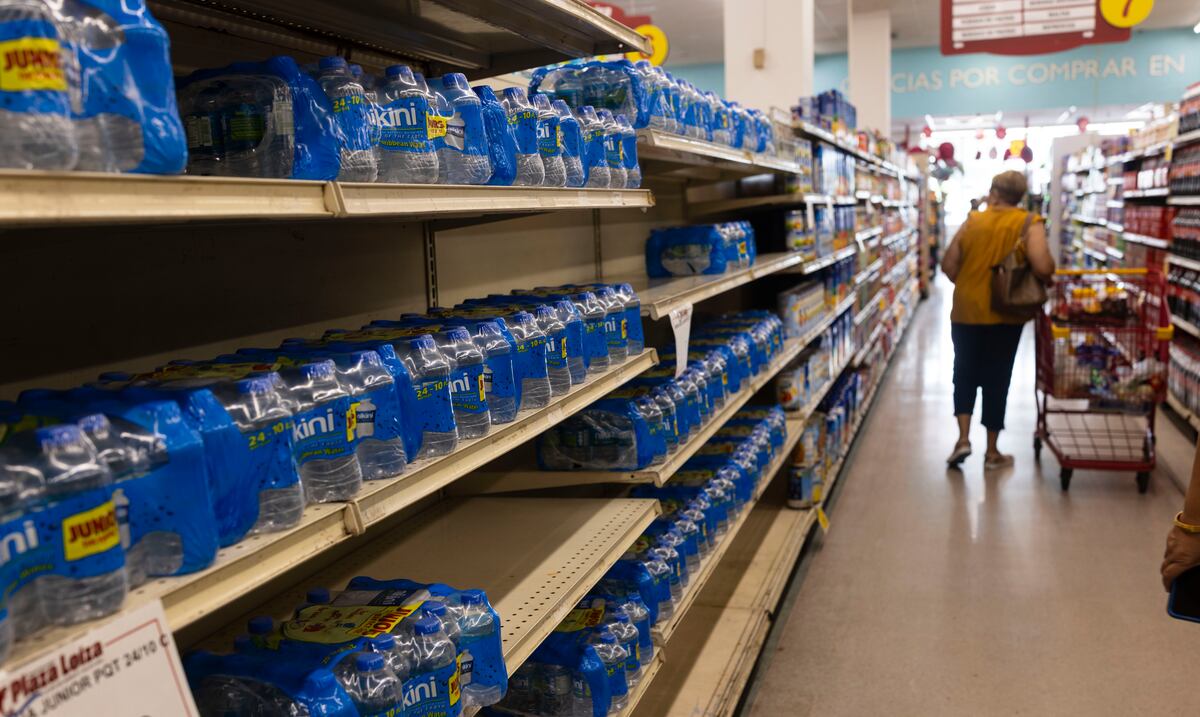
- What the cap covered: drinking water, ice, bottled water, cisterns, and related equipment and services such as repair, installation and modification. It included parts such as motors, pumps, valves, sensors, pipes and pressurizers, plus tanks and containers for storing, transporting and distributing water 2.
- Fines: administrative penalties for violating the freeze could reach $10,000 per violation 23.
- Duration: the DACO order ran from July 31 until this week, roughly three and a half months 3.
- What is still pending: DACO will issue an administrative order to formally remove the freeze 1. Until that happens, it is best to treat the change as decreed by the governor but still awaiting its formal step at the agency.
What remains in place
The Administration was clear that "the drought emergency remains in force" 1. That means water conservation measures, priority water use, inter-agency coordination and emergency purchasing of equipment and supplies all continue 1. In other words, the government is not saying the drought is over. It is saying a price cap is no longer needed to prevent abuse.
What it means for you
For consumers, the practical consequence is that stores could adjust prices on bottled water, cisterns, pumps and related items once DACO publishes its formal order. The sources give no figures on how much prices might rise, so no increase should be assumed. It is still worth paying attention, because the margins that were frozen will no longer have the same shield.
If you have a cistern, pump or tank in your plans, or if you still buy water in jugs, now is the time to compare prices. For small businesses, plumbers and suppliers, lifting the cap gives back flexibility to set rates, although the emergency itself continues and DACO is still watching the market 1.
And for everyone, the underlying message is the same: keep saving water. The restrictions and use priorities were not lifted 1.
How to / Checklist
- Compare before you buy. If you need bottled water, a cistern or a pump, check prices at two or three stores this week while DACO completes its formal order.
- Keep your receipts. If you bought covered items between July 31 and today and believe you were charged above the frozen price, keep the invoice. The order allowed fines of up to $10,000 per violation 23.
- File a complaint. For consumer claims, visit daco.pr.gov and use the agency's official channels.
- Watch for DACO's order. Check daco.pr.gov and its social media to see when the administrative order formally lifting the freeze is published 1.
- Follow conservation rules. The emergency continues; comply with the water-saving measures that apply in your municipality 1.
What's next
The next piece is the DACO administrative order that formalizes the end of the cap 1. The government will also keep tracking rainfall and the levels of the main reservoirs to decide whether further adjustments are needed 1. If the rains hold, other measures may gradually ease; if the deficit returns, the emergency remains in force so officials can act quickly. For now the message is caution: water conditions have improved, but the drought is officially not over.
Sources
CoquiList summary and local context. Read the linked sources for the original reporting.
Ask about this story
Ask anything about this article — in English or Spanish.
Log in to ask about this story.
Comments (0)
Log in to join the conversation.
No comments yet — be the first.