Puerto Rico Activates Airport and Port Surveillance After Plague Case in Russia and Historic U.S. Measles Surge
CoquiList · With information from El Vocero de Puerto Rico
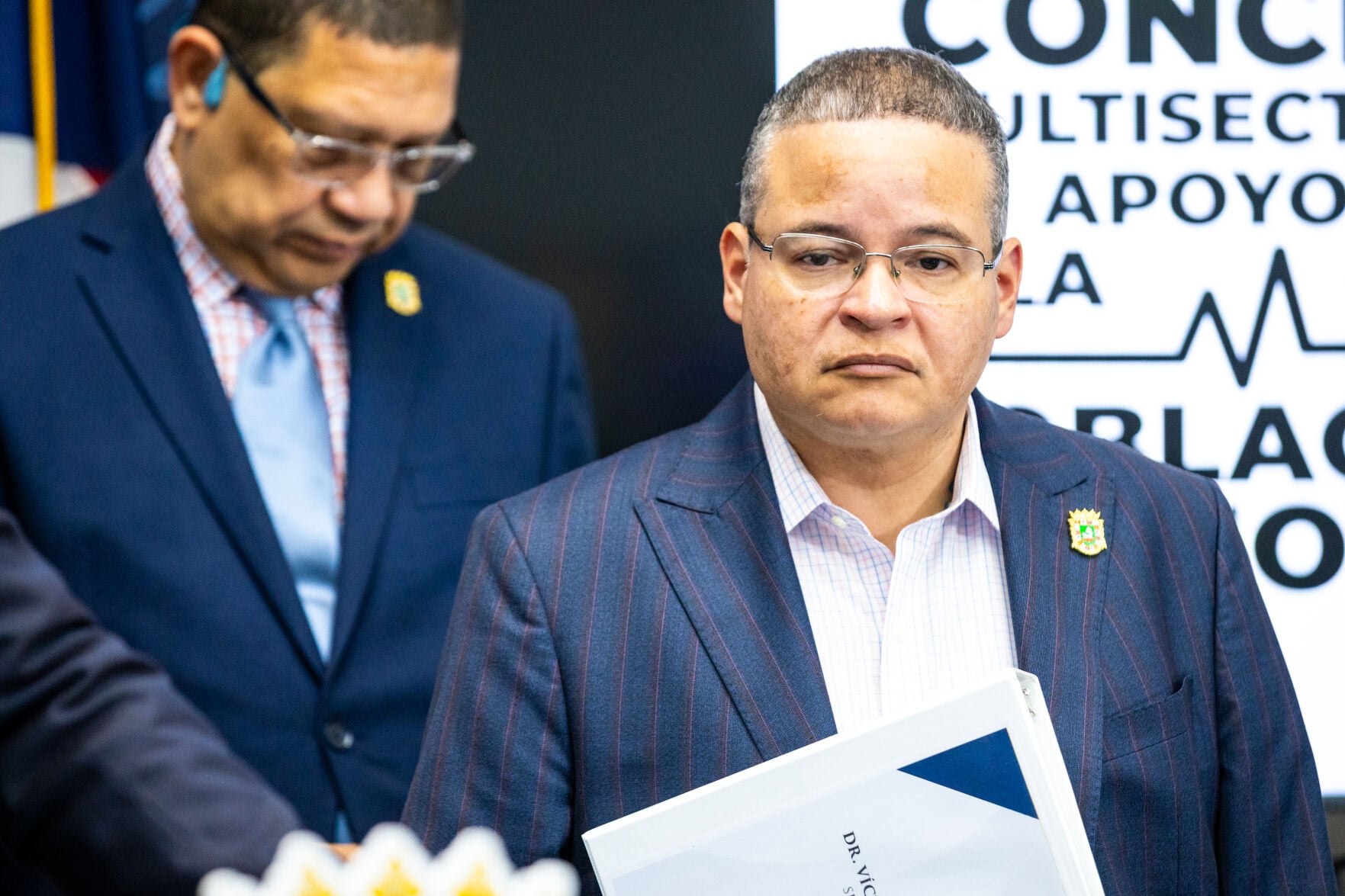
Puerto Rico's Department of Health activated surveillance protocols at the island's airports and ports this week, after a suspected pneumonic plague case killed a 28 year old Russian scientist and left hundreds of people under preventive quarantine in Russia, just as the United States goes through its worst measles surge in more than three decades. 1
Context
Health Secretary Victor Ramos Otero confirmed that the Puerto Rico government activated the same protocol already running at the federal level to monitor arriving passengers, vessels, or cargo that could carry a contagion risk. "CDC and the agencies in charge of entry into the United States through the ports are monitoring this... that includes Puerto Rico's airports and ports; that surveillance exists," the official explained. 1
The order follows reports from Russian authorities of the death of a researcher who may have contracted Yersinia pestis, the bacterium that causes plague, a disease that marked the Middle Ages but is treatable today with common antibiotics if caught early. Russia has not officially confirmed the cause of death, and Puerto Rico, alongside the federal government, has requested information about the causative organism, how far it may have spread, and whether the outbreak is contained to the location where it occurred. 1
At the same time, the United States is facing its largest measles resurgence across 38 states since the disease was declared eliminated from the country in the year 2000. 12 Puerto Rico has not reported a measles case since the 1980s, but keeps active surveillance in case an infected person arrives on the island from the mainland. 3
The numbers
- 3,887 confirmed measles cases in the United States so far in 2026, according to the CDC 2
- 47 U.S. jurisdictions with reported cases, including 46 states, Washington D.C., and New York City 2
- 42 new measles outbreaks identified this year; 95% of confirmed cases are linked to an active outbreak 2
- 92.4% MMR vaccination coverage among kindergarteners in the United States, below the 95% threshold needed for herd immunity 2
- 28 years old was the Russian scientist whose death triggered the plague alert 1
- Hundreds of people remain under preventive quarantine in the affected region of Russia 1
- 0 confirmed measles cases in Puerto Rico since the 1980s 3
What it means for you
For the average Puerto Rican family, this does not mean there is a confirmed case of plague or measles on the island, but rather that authorities have stepped up screening of people entering by plane or ship. Ramos Otero explained that if a passenger is suspected of carrying an infection, the protocol allows officials to hold the aircraft or vessel until a medical evaluation is completed. 1
The real risk to most Puerto Rican households remains low. But the episode is a reminder that the island depends on border surveillance, and that the measles vaccine, known as MMR, remains the most effective defense, especially since national vaccination coverage has dropped below the level that protects the whole community. 2 Anyone traveling to states with active outbreaks, or planning a trip to Eastern Europe in the coming months, should confirm their vaccination status before leaving the island.
How to act / Checklist
- Check your own vaccination card, or your children's: Puerto Rico requires two doses of MMR for school enrollment.
- If you are unsure of your vaccination history, call the Department of Health at (787) 765-2929 or email [email protected] to verify your record. 4
- If you will travel to a state with an active outbreak (the list is updated at cdc.gov/measles), ask your doctor whether you need a booster dose at least two weeks before the trip. 2
- Watch for measles symptoms: high fever, cough, conjunctivitis, and a rash that typically starts on the face; isolate and call your doctor right away if these appear after traveling.
- If you recently traveled to Russia, or had close contact with someone who did, tell your doctor about sudden fever, bloody cough, or trouble breathing, symptoms associated with pneumonic plague.
- Avoid going to the emergency room for general questions; contact your primary care doctor or the Department of Health's phone lines first, to keep ERs free for urgent cases.
What's next
The Department of Health is waiting for a formal response from Russian authorities about the organism that caused the scientist's death and the true extent of the contagion in that region. 1 Meanwhile, the CDC continues tracking the U.S. measles surge, which so far shows no sign of slowing down before the year ends. 2
Ramos Otero said the Biosecurity Program will keep providing updates at upcoming government press briefings, and that any suspected case detected at an airport or port on the island will be reported and investigated immediately. 13 For now, the official recommendation is the same one epidemiologists repeat year after year: keep vaccinations current, especially for children, and do not wait for an outbreak alert to check the family's vaccination record.
Sources
CoquiList summary and local context. Read the linked sources for the original reporting.
Ask about this story
Ask anything about this article — in English or Spanish.
Log in to ask about this story.
Comments (0)
Log in to join the conversation.
No comments yet — be the first.