Law 235-2026: LUMA and AAA must accept payment plans from a 5% down payment, with monthly payments capped at 5% of income
CoquiList · With information from El Vocero
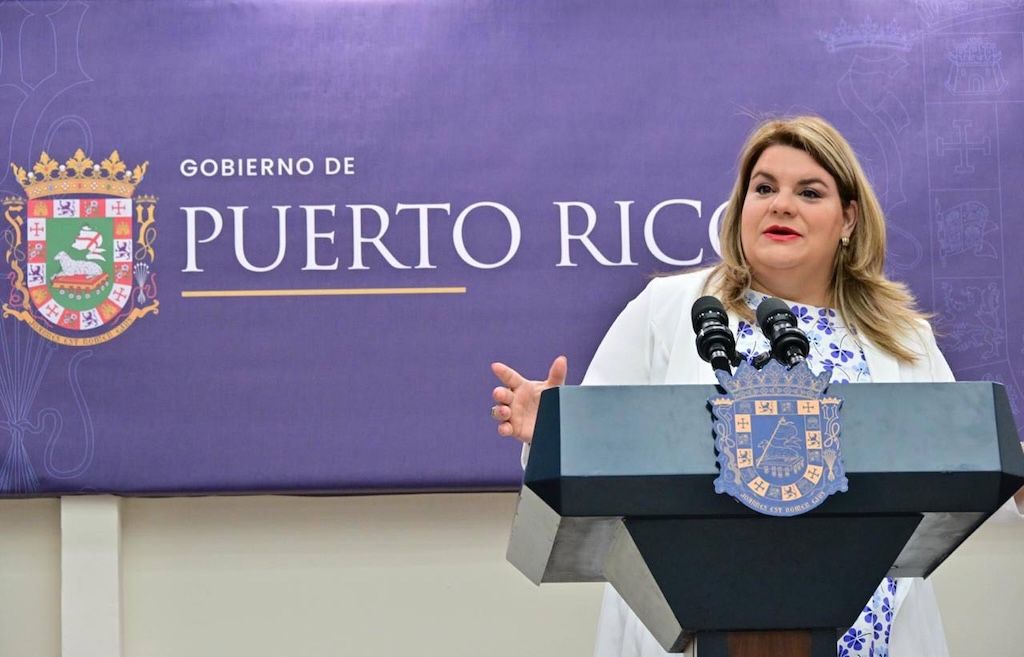
The government just put numbers on one of the debts that weighs hardest on Puerto Rican families: the light and water bill. Governor Jenniffer González Colón signed Law 235-2026, which requires LUMA Energy and the Aqueduct and Sewer Authority (AAA) to offer payment plans tied to each customer's ability to pay, and the signing was announced Thursday, November 19 12. The law takes effect 60 days after approval, so you cannot use it yet today, Saturday, November 21 13.
Background
The law began as House Bill 133, by Representative Jorge "Georgie" Navarro Suárez, and the Senate passed it in late October 23. Its official title is the "Payment Plans Law to Guarantee Continuity of Essential Services," and its goal is to prevent service cutoffs for customers who want to pay but cannot clear a debt in one shot 3.
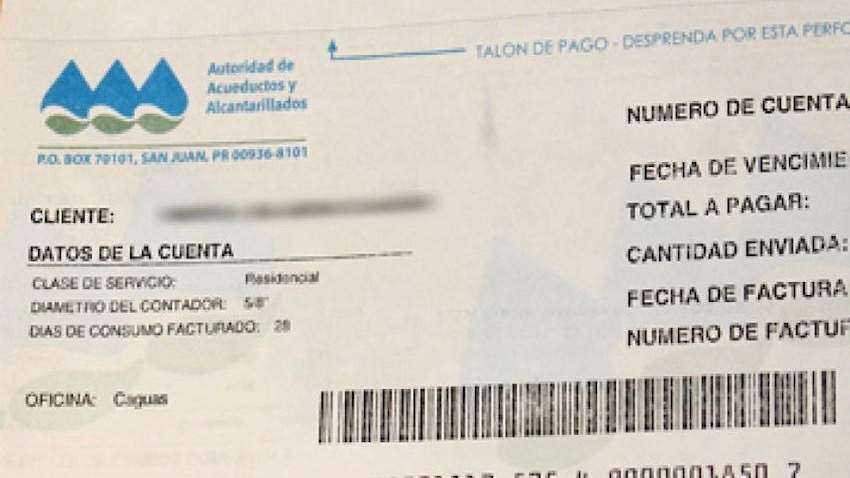
The starting point is tough. Today, to avoid suspension, LUMA demands 50% of the total debt before approving a payment plan 2. LUMA serves about 1.4 million residential customers and the AAA about 1.27 million subscribers 2. Both opposed the measure: the AAA objected to the cap on the initial payment, and LUMA called it a "temporary solution" that does not address the causes of high bills, warning that the documentation requirements could discourage customers from applying 23.
The numbers
For residential customers, the law sets 123:
- An initial payment of 5% to 20% of the debt, based on household economic capacity.
- Monthly installments that cannot exceed 5% of monthly household income.
- No interest on debts under $5,000 13.
- Proof of income that the provider may require: a tax return, pay stubs or an employer certification 13.
For small businesses (non-residential customers on the general service rate with connected load under 50 kVA), the rules differ 3:
- An initial payment of no more than 10% of the debt, not even required for those with at most one late payment in the prior 12 months 13.
- A term of up to 24 months, or up to 36 months if the debt exceeds $10,000 13.
- No interest during the first 12 months 1.
- While compliant, the business pays no late fees and faces no suspension over that debt 13.
- Missing two consecutive payments cancels the plan, though the provider must reinstate it once if the overdue amounts are paid 13.
There is also relief for the quarterly bill shock. When the fuel and purchased-power adjustments rise by three cents or more per kilowatt-hour from the prior quarter, small businesses may spread the increase over up to six equal monthly payments, with no interest or penalties 13. NotiCel's example: a business using 1,200 kWh saw its bill jump from $371.82 to $435.24 (17.1%) after a net increase of 5.2848 cents per kWh for October through December 2026 3. The Energy Bureau will have 90 days to evaluate a levelized billing option based on average consumption over the prior 12 months 13.
What it means for you
If you owe on electricity or water, the law changes the conversation with the utility: instead of asking for half of the debt, they will have to accept an initial payment starting at 5% and monthly installments tied to your income 2. For example, on a $2,000 debt the initial payment would fall between $100 and $400, and because it is under $5,000, you would pay no interest 13. A household earning $2,400 a month would pay no more than $120 monthly on the plan, based on the 5% cap 12.
Mind the limits. The law forgives no principal, applies only to requests filed after it takes effect and does not change agreements you already signed 13. It also must not undermine the Fiscal Plan certified by the Financial Oversight Board 3.
How to / Checklist
- Mark your key date: the law takes effect 60 days after approval, roughly mid to late January 2027, depending on the exact signing date 13.
- Gather proof of income now: latest tax return, recent pay stubs or an employer certification 13.
- Check your current debt. For LUMA, use your account at luma.energy or call its service center; for the AAA, use acueductospr.com or its customer service line (verify the number on your bill).
- If you already signed a plan, it does not change automatically; only new requests fall under the law 1.
- If you are offered a plan you believe violates the law, request an administrative review from the provider or from DACO, which must resolve it within 30 days 13.
- If you run a small business, ask about paying the fuel and purchased-power increase in up to six installments 13.
- Meanwhile, keep paying your current bills: the plan only protects you from suspension if you comply with it 3.
What's next
The 60-day clock is running. When it ends, LUMA and the AAA must implement the plans, and the energy provider must file semiannual reports with the Energy Bureau and the Legislative Assembly 3. The Bureau also has 90 days after the law takes effect to evaluate levelized billing 13. Watch whether the companies, which opposed the measure, seek clarifications or adjustments, and whether the documentation requirement LUMA criticized slows customers down 2. Follow announcements from both utilities and DACO in January.
Sources
CoquiList summary and local context. Read the linked sources for the original reporting.
Ask about this story
Ask anything about this article — in English or Spanish.
Log in to ask about this story.
Comments (0)
Log in to join the conversation.
No comments yet — be the first.