Senate permanently shields identities of minors under criminal investigation, even when tried as adults
CoquiList · With information from Senado de Puerto Rico
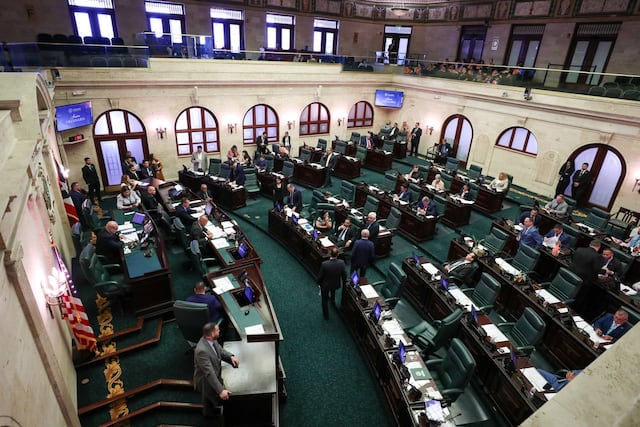
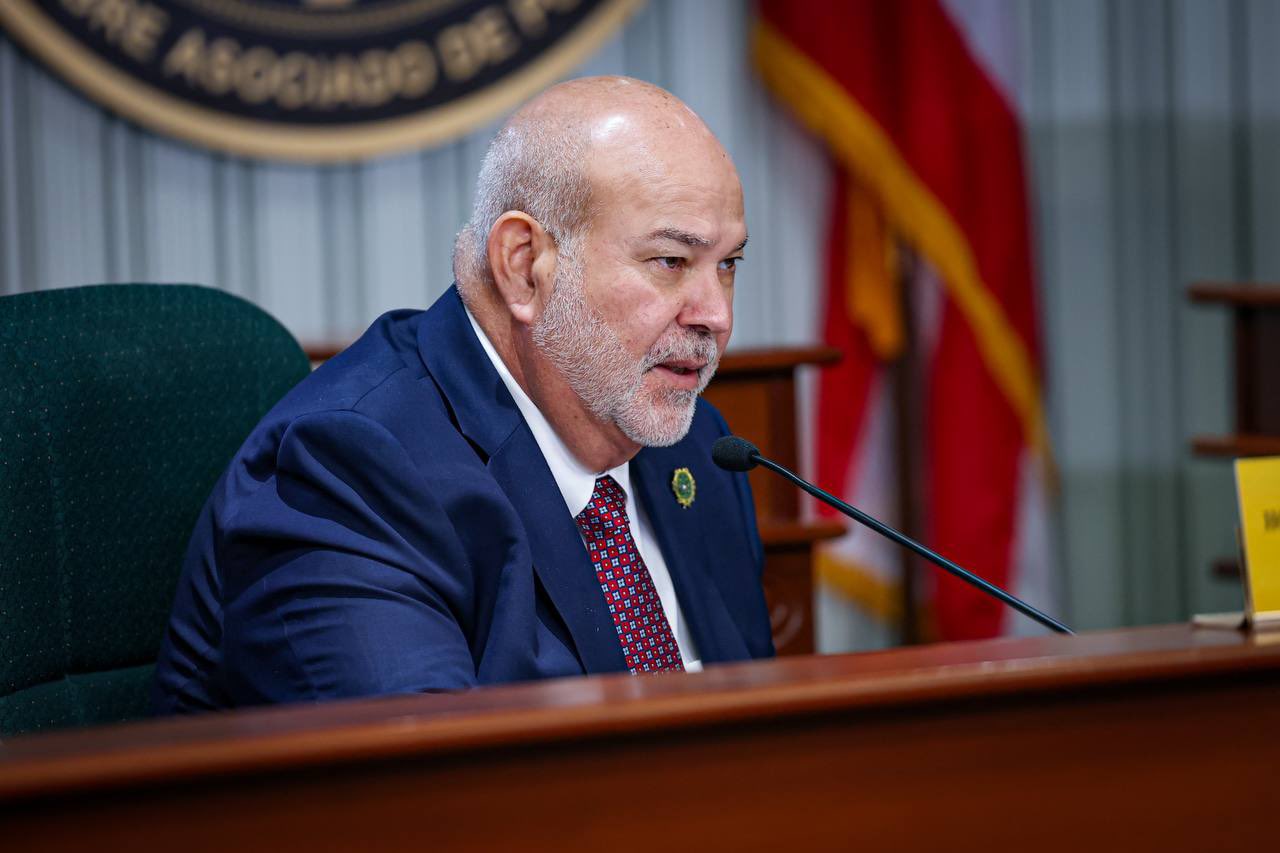
On September 11, 2026, the Puerto Rico Senate approved Senate Bill 1029 (Proyecto del Senado 1029), a measure authored by Senate President Thomas Rivera Schatz that permanently makes confidential the photographs and digital fingerprints taken from minors under 18 during criminal investigations — protection that remains in place even if that person later ends up prosecuted as an adult due to the severity of the alleged offense12.
What is behind the measure
Under current law, when police arrest or investigate a minor for a serious crime, they may take photographs and fingerprints for identification purposes. The problem, according to the legislative text itself, is that this information was not always clearly shielded once a case advanced through the judicial system, particularly in cases where a young person is referred or prosecuted under adult rules. PS 1029 closes that gap by expressly declaring that biometric and photographic material confidential, and by flatly prohibiting the publication of a minor's name, photograph, or fingerprints in any judicial proceeding, regardless of which court the case ends up in13.
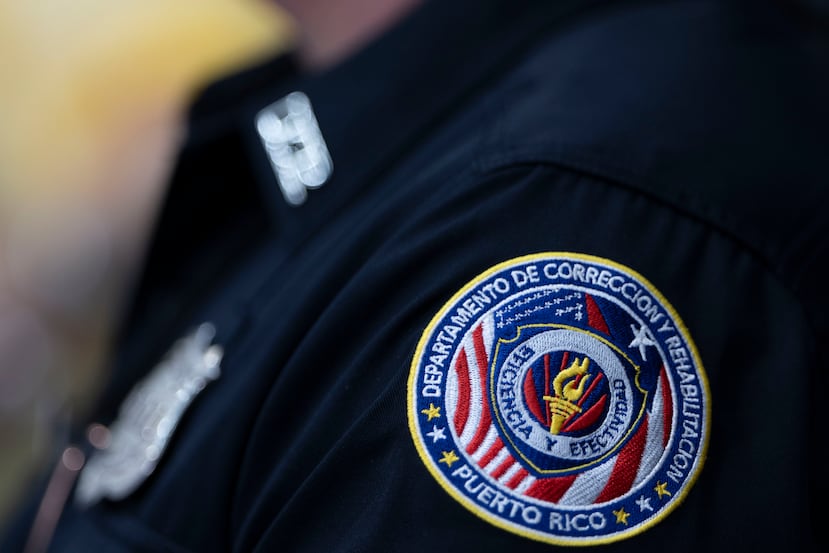
The bill does not create a brand-new law from scratch; instead it amends several existing statutes so they operate consistently with one another: the Law for Digital Fingerprints and Photographs for Serious Crimes, the Puerto Rico Minors Law, the Protocol Law to Guarantee Effective Communication Between the Security Components of the Commonwealth of Puerto Rico and the Criminal Justice Information System, and the Rules of Procedure for Minor Affairs13. That combination of amendments is meant to ensure agencies such as the Police, the Department of Corrections and Rehabilitation, and juvenile courts all handle a young person's biometric file under the same confidentiality standard, no matter which procedural door the case entered through.
The concrete facts and numbers
- The Senate approved PS 1029 on September 11, 2026, as part of that ordinary session's package of measures12.
- Confidentiality of photos and fingerprints expressly extends to minors under 18, and remains in effect even if the case is later processed as an adult case123.
- Use of the biometric material is restricted solely to criminal investigation purposes, not for public disclosure or media use23.
- Publishing the name, photograph, or digital fingerprints of a minor subject to a judicial proceeding can constitute contempt of court, with the legal consequences that finding carries123.
- The measure amends four separate legal or regulatory bodies to standardize how this information is treated across the criminal justice and juvenile justice systems13.
- The legislative text itself invokes the Government of Puerto Rico's compelling interest in promoting the integral development of minors and protecting their best interest as the basis for the measure2.
- PS 1029's approval occurred in the same session in which the Senate concurred with House amendments on other measures and approved legislation on loan access for artisans, economic incentives, and an updated definition of "political propaganda" in the electoral code3.
What this means for you
If you are a parent or guardian of a minor who at some point comes into contact with the criminal justice system — even in cases where authorities eventually decide to prosecute as an adult given the nature of the offense — this law gives you a concrete legal tool: that young person's photograph and fingerprints cannot circulate publicly or be used outside the investigative file. For journalists, media outlets, and even neighbors with social media access, the measure draws a clear red line around what can and cannot be disseminated when a minor is involved, no matter how high-profile the case becomes. And for the security agencies themselves, the law requires that biometric file be handled under a uniform confidentiality protocol, reducing the risk of leaks between security components that previously operated under different rules.
How to act / Checklist
- If you have a minor in your care facing a criminal investigation, ask your attorney or public defender to confirm in writing that the young person's photo and fingerprints are covered under the confidentiality established by PS 1029 once it becomes law.
- If you see a minor's name, photo, or identifiable information linked to a judicial case circulating on social media or in any outlet, report it: under this measure, that disclosure can constitute contempt of court.
- Check the bill's final status on the Sistema Único de Trámite Legislativo (SUTRA, sutra.oslpr.org) by searching "PS 1029" to confirm whether it has been sent to the House, signed by Governor Jenniffer González Colón, or is still pending.
- If you work in media or communications, update your internal editorial protocols to explicitly exclude photos, names, and fingerprints of minors from coverage of criminal cases, even when the case is being covered as one where the minor is "processed the same as an adult."
- If you are an official at a security agency (Police, Corrections, juvenile courts), confirm with your legal office how the internal protocol for handling minors' biometric files will be updated to comply with the four laws amended by PS 1029.
What's next
PS 1029 was approved in the Senate, but that does not automatically make it law: the measure still needs to complete the corresponding procedural steps, which typically include passage through the House of Representatives — if it was not handled there as a concurrent measure — and the final signature of Governor Jenniffer González Colón before it takes effect3. CoquiList will track the bill through the Sistema Único de Trámite Legislativo to confirm whether it receives House concurrence and when it reaches La Fortaleza for signature, as well as whether it is assigned a law number once enacted. In the meantime, the measure adds to another package of bills that Rivera Schatz has been pushing this term around minor protection, youth sports, and special education — a legislative agenda the Senate presidency has said it will keep prioritizing for the rest of this ordinary session.
Sources
1 Metro Puerto Rico, "Cámara y Senado aprueban varias medidas: ¿de qué tratan?", September 11, 2026 2 Senado de Puerto Rico, "Senado aprueba legislación del presidente senatorial para proteger datos de menores en investigaciones criminales" 3 El Sol de Puerto Rico, "Nueva ley blinda la identidad de menores aunque sean juzgados como adultos"
CoquiList summary and local context. Read the linked sources for the original reporting.
Ask about this story
Ask anything about this article — in English or Spanish.
Log in to ask about this story.
Comments (0)
Log in to join the conversation.
No comments yet — be the first.