House Votes to Delay Single-Use Plastics Ban Until 2031: DACO Fines Frozen
CoquiList · With information from El Vocero
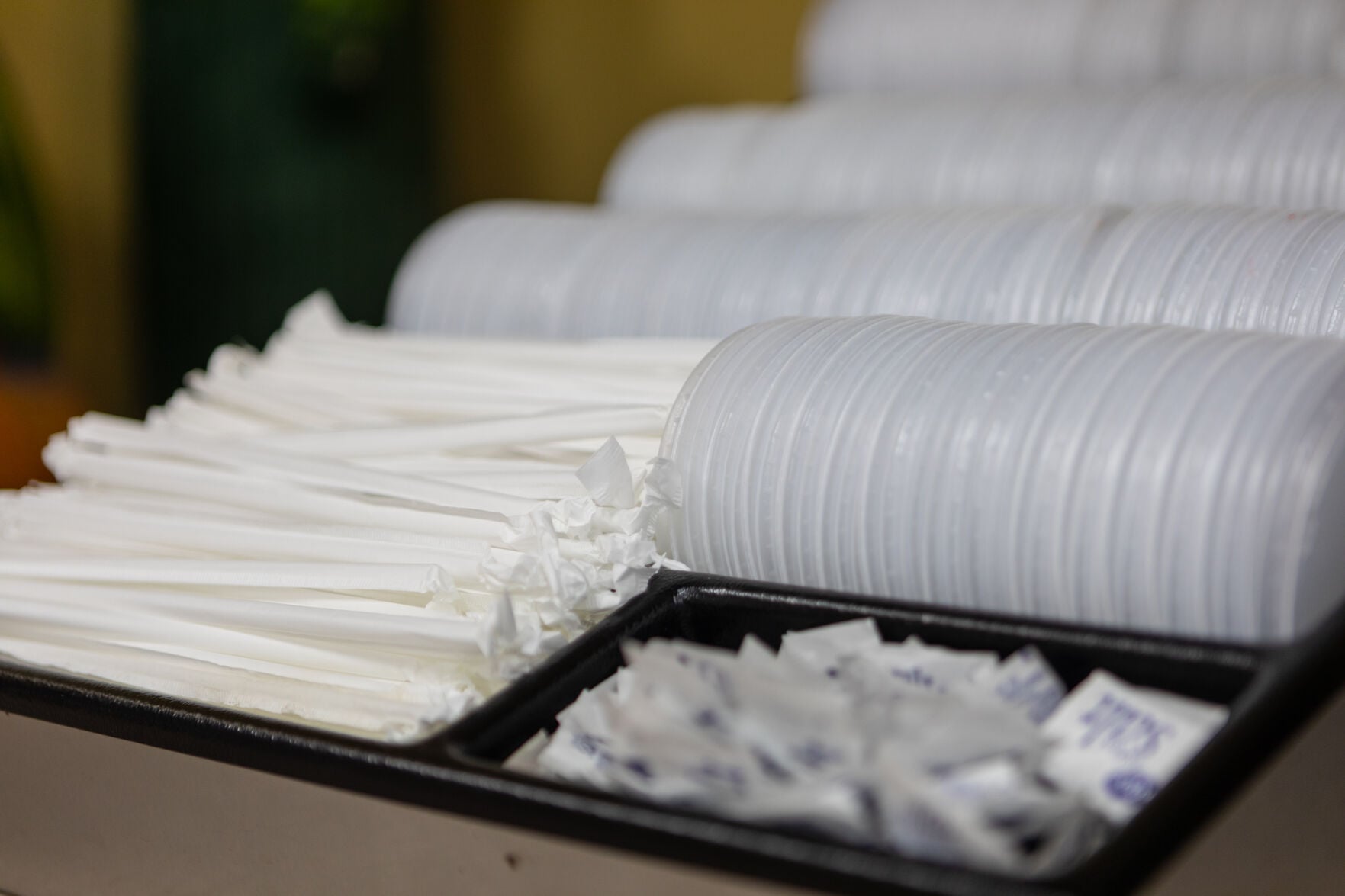
Puerto Rico's ban on single-use plastics, a law that has sat on the calendar for four years without taking effect for a single day, is about to be pushed back again, this time by five years. On Thursday, November 12, the House of Representatives approved Senate Bill 1551 by discharge vote, 28 to 24, postponing the bans and penalties of Law 51-2022 until December 31, 2031. The measure now heads to Governor Jenniffer González 12.
Background: a law that never started
Law 51-2022 was passed with the promise that, 24 months later, businesses would stop handing out certain disposable plastics. That never happened. The date has been moved repeatedly through administrative and legislative actions, and the most recent extension, Law 47-2025, set the moratorium through December 31, 2026, with penalties starting January 1, 2027 23. In other words, without a new law, the ban would have kicked in a little over seven weeks from now.
The Senate approved the bill on Wednesday, November 11, by voice vote and without debate, and the House cleared it the next day without amendments, so it does not have to go back to the Senate 3. The author is Sen. Nitza Morán Trinidad of the San Juan district. Her text argues that "short extensions have not worked" and that the effective date of a ban set by law should be fixed by the Legislative Assembly, not by an administrative order 23.
The numbers and the calendar
- New moratorium deadline: December 31, 2031. Articles 4 and 6 of Law 51-2022, which contain the prohibitions and penalties, would take effect January 1, 2032 12.
- House vote: 28 in favor, 24 against, one absent 1.
- Phase 1, through June 30, 2028: planning and regulation 23.
- Phase 2, July 1, 2028 to June 30, 2031: voluntary adoption and support for merchants 23.
- Phase 3, second half of 2031: guidance and notices, with no fines 23.
- Fines under Article 6: the Department of Consumer Affairs (DACO) can impose $500 for a first offense, $1,000 for a second and $5,000 for a third and subsequent ones. Those amounts would stay frozen until 2032 23.
One detail worth keeping in mind: a similar measure, House Bill 1501 by Rep. Carlos "Johnny" Méndez, proposed extending the moratorium only to December 31, 2028. The House approved it on October 29, but the Senate never took it up, and it is a different bill from the one now going to the governor 14.
The bill also states that the Legislative Assembly still does not have the recommendations of the committee created by Law 47-2025 to study how to implement the ban 2.
What it means for you
If you are a consumer, the most visible change is that nothing changes: on January 1, 2027 you will keep getting takeout in the same containers, bags and utensils you get today, as long as the governor signs the bill. If she does not sign it, or vetoes it, the ban and its fines come back into play on the Law 47-2025 timeline.
If you own a restaurant, kiosk, food truck or any food business, the extension gives you five years of room, but it does not remove the underlying question. Food-sector merchants have challenged the law and its regulation because it is unclear what counts as reusable or compostable, or how to prove the compostability level of a utensil 23. That uncertainty is the strongest argument heard for delay, and also the argument of critics: five years is a long time for a law that is already four years behind.
For your wallet, the delay avoids, for now, businesses having to pay for pricier alternatives and pass those costs on to menu prices. But there is no guarantee the picture will be clearer in 2028 when the regulation phase ends.
How to / Checklist
- Check the bill's status. Search "P. del S. 1551" on the Legislature's Sistema Único de Trámite Legislativo (sutra.oslpr.org) and see whether it appears signed, vetoed or pending with the governor 4.
- Do not change your purchasing yet if you are a merchant. Before ordering new inventory for January, wait for La Fortaleza's decision; if signed, December 31, 2026 stops being your critical date.
- Keep your paperwork. If you already bought compostable or reusable packaging, keep invoices and manufacturer certifications; they will be your proof when the regulation phase arrives.
- Write to DACO with questions. You can contact the Department of Consumer Affairs at daco.pr.gov to ask how the law will be interpreted and which products it will cover.
- Take part in the rulemaking. The planning phase runs through June 30, 2028; that is where the rules will be defined. Ask your merchants' association to file comments 23.
- As a consumer, note the date. The new date to remember, if it becomes law, is January 1, 2032.
What's next
The next step is the governor's signature. The sources consulted do not confirm, as of this writing, whether she has signed or announced her position, so watch for an announcement from La Fortaleza before year-end, because the current deadline expires December 31 2. If it becomes law, the Legislative Assembly would be the only body able to move the 2031 deadline again. Senators Ada Álvarez Conde, José Luis Dalmau, Adrián González Costa and María de Lourdes Santiago opposed it in the Senate, according to the published account, and environmental groups and opposition lawmakers are likely to keep pressing so implementation is not stretched any further 2.
Sources
CoquiList summary and local context. Read the linked sources for the original reporting.
Ask about this story
Ask anything about this article — in English or Spanish.
Log in to ask about this story.
Comments (0)
Log in to join the conversation.
No comments yet — be the first.