UPR Río Piedras Postpones Start of Classes to August 17 Amid Water Crisis
CoquiList · With information from El Nuevo Día
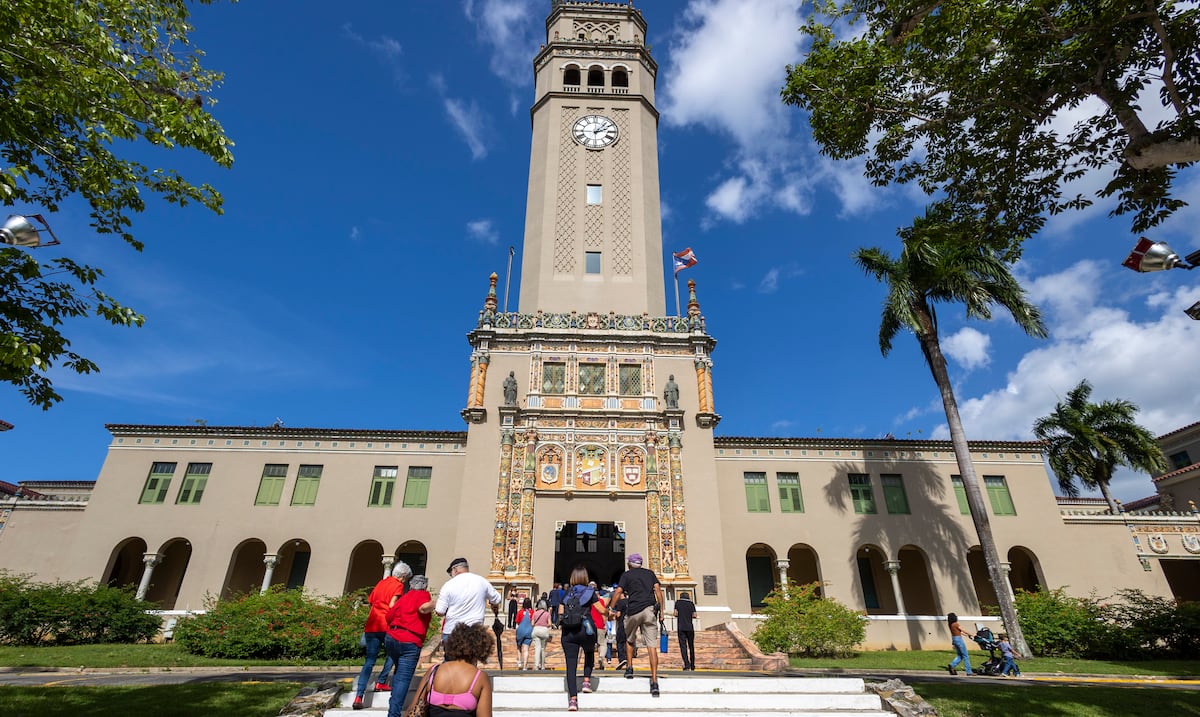
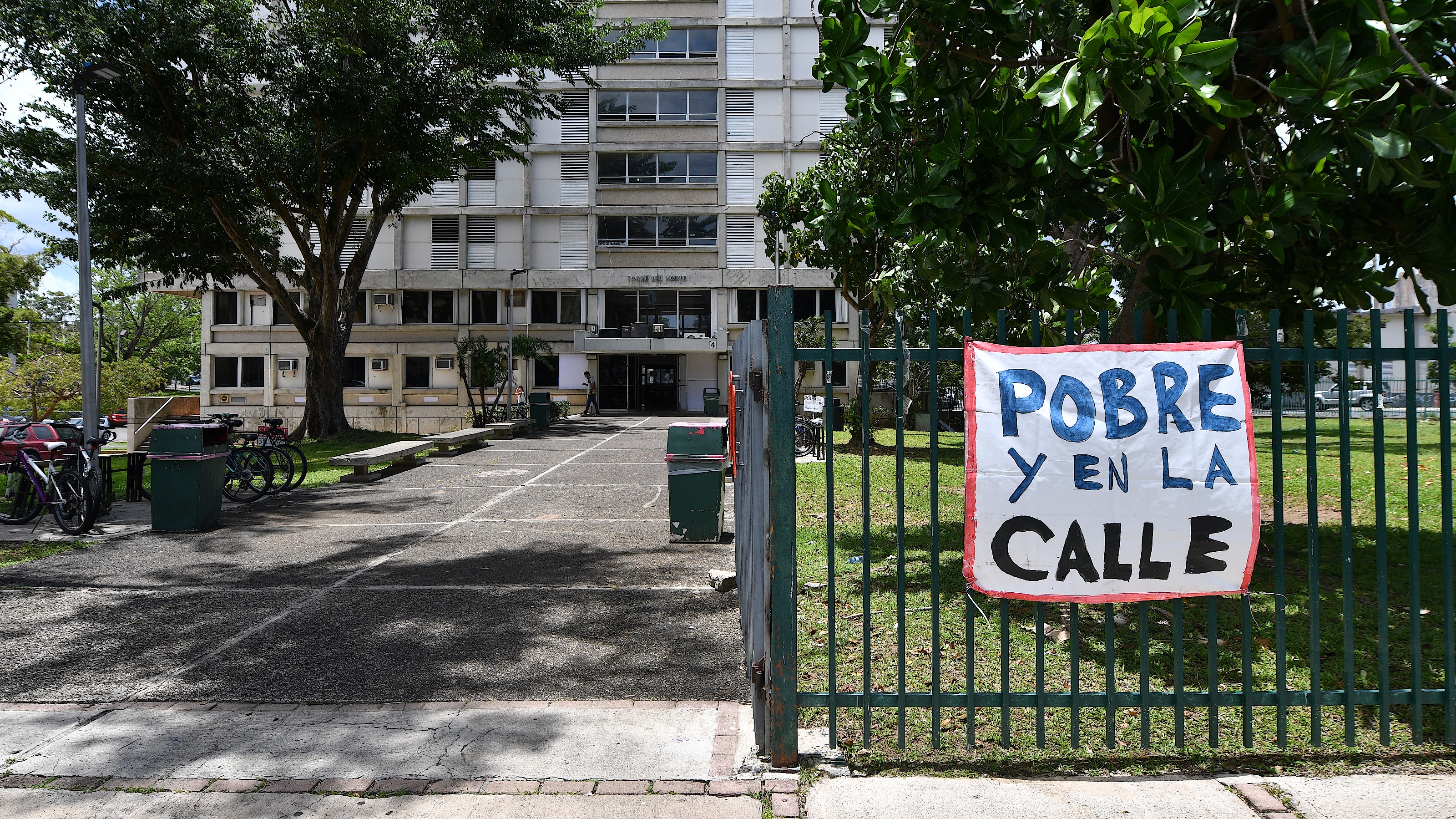
The University of Puerto Rico postponed the start of classes at its flagship Río Piedras campus from Wednesday, August 12 to Monday, August 17, after interim chancellor Mayra B. Chárriez Cordero declared a state of emergency over a lack of potable water threatening operations in at least 25 campus buildings 1. The move turned the system's largest campus, with more than 11,000 students, into the most visible face of the rationing crisis hitting the metro area this August.
The problem is both infrastructure and money. The Central Chilled Water Plant, which about 25 buildings depend on for climate control, needs a continuous water supply. But the campus can only store around 250,000 gallons, enough for one day of operation under the 48-hour rationing cycle the Puerto Rico Aqueduct and Sewer Authority (AAA) applies because of the drought affecting the Carraízo reservoir 2. "Alternatives to meet this need through external resources face two significant limitations: insufficient financial resources to sustain the high cost of acquiring and transporting water, and the market's limited capacity to continuously guarantee the roughly 250,000 daily gallons our operation would require," Chárriez Cordero wrote, citing Executive Order OE-2026-035 from Governor Jenniffer González Colón, which prioritizes potable water for the public and essential services 21.
The numbers behind the crisis
Río Piedras isn't the only campus at risk. Cayey, Humacao and Bayamón were starting classes on August 10, and Ciencias Médicas had already begun on August 4, all under the same rationing. According to Josué García Torres, the graduate student representative to the UPR Board of Governors, Río Piedras, Ciencias Médicas and Humacao are in phase two, the most severe, while Bayamón and Cayey face less risk for now 2.
García Torres estimated that keeping the cooling plant running under rationing would cost about $3 million more, an expense the administration can't absorb: Río Piedras is already carrying a $12 million cut to this fiscal year's budget, while the Fiscal Control Board still hasn't approved the system's general budget 2. It's part of a longer decline: state funding for UPR, which Law 2 of 1966 set at 9.6% of the General Fund, was frozen in 2015 and effectively scrapped after 2017, collapsing that allocation from $911 million that year to roughly $441 million in the most recent budget. Had the original formula held, UPR would receive close to $1,200 million a year 2.
Dyamar Cruz, president of Río Piedras' General Student Council, said student representatives had previously reached out to UPR president Zayira Jordán Conde and Board of Governors president Ricardo Dalmau to request a contingency plan before the crisis hit, without a concrete response 2. "This crisis also affects other students who come from different towns, from different parts of the archipelago, who need to at least be able to wash up when they get to the University," Cruz warned 2.
The campus resumed operations on August 17 using alternative teaching methods, without converting courses into permanent distance learning. That day, the administration confirmed enrollment of 11,216 students: 8,569 undergraduate and 2,647 graduate, with the enrollment period extended through August 19 and Saturday courses starting August 22 3.
What this means for you
If you study, work, or have family at any of the five affected campuses, this isn't an abstract infrastructure problem: it can mean last-minute changes to your class schedule, sections moved to alternative teaching methods, or disruptions tied to the AAA's rationing calendar for your area. The crisis also makes clear that UPR's budget cuts aren't just a number on a chart — they translate into less room to respond when a real emergency hits.
How to handle it / Checklist
- Check your campus's official channels (the UPRRP portal, institutional email, the Chancellor's social media) before assuming your class is still on its original schedule.
- If you're a new student at Río Piedras, confirm your enrollment before August 19 to keep your spot.
- Check the AAA's rationing calendar for your area at acueductospr.com and plan your household water use around cutoff days.
- If you're taking Saturday courses, remember they start August 22.
- If your professor announces an alternative teaching method, ask in writing how that portion of the course will be graded.
- Report any water or transportation access issues to your student representative or your campus's General Student Council; they're documenting the impact for the Board of Governors.
What's next
The state of emergency at Río Piedras remains in effect, and the chancellor's office warned the situation "will be continuously evaluated" as the AAA's interruption schedule changes, which could bring further schedule adjustments if rationing expands. The Fiscal Control Board still hasn't approved UPR's budget, so the five campuses at risk — Río Piedras, Ciencias Médicas, Humacao, Bayamón and Cayey — will keep operating without knowing how much money they'll have to handle both the water crisis and the rest of the semester. Students and Board of Governors representatives are now pushing for a permanent water contingency plan for the university system before the next drought hits.
Sources
CoquiList summary and local context. Read the linked sources for the original reporting.
Ask about this story
Ask anything about this article — in English or Spanish.
Log in to ask about this story.
Comments (0)
Log in to join the conversation.
No comments yet — be the first.