Your LUMA bill goes up again: what changed and how to fight back
CoquiList · With information from Negociado de Energía de Puerto Rico
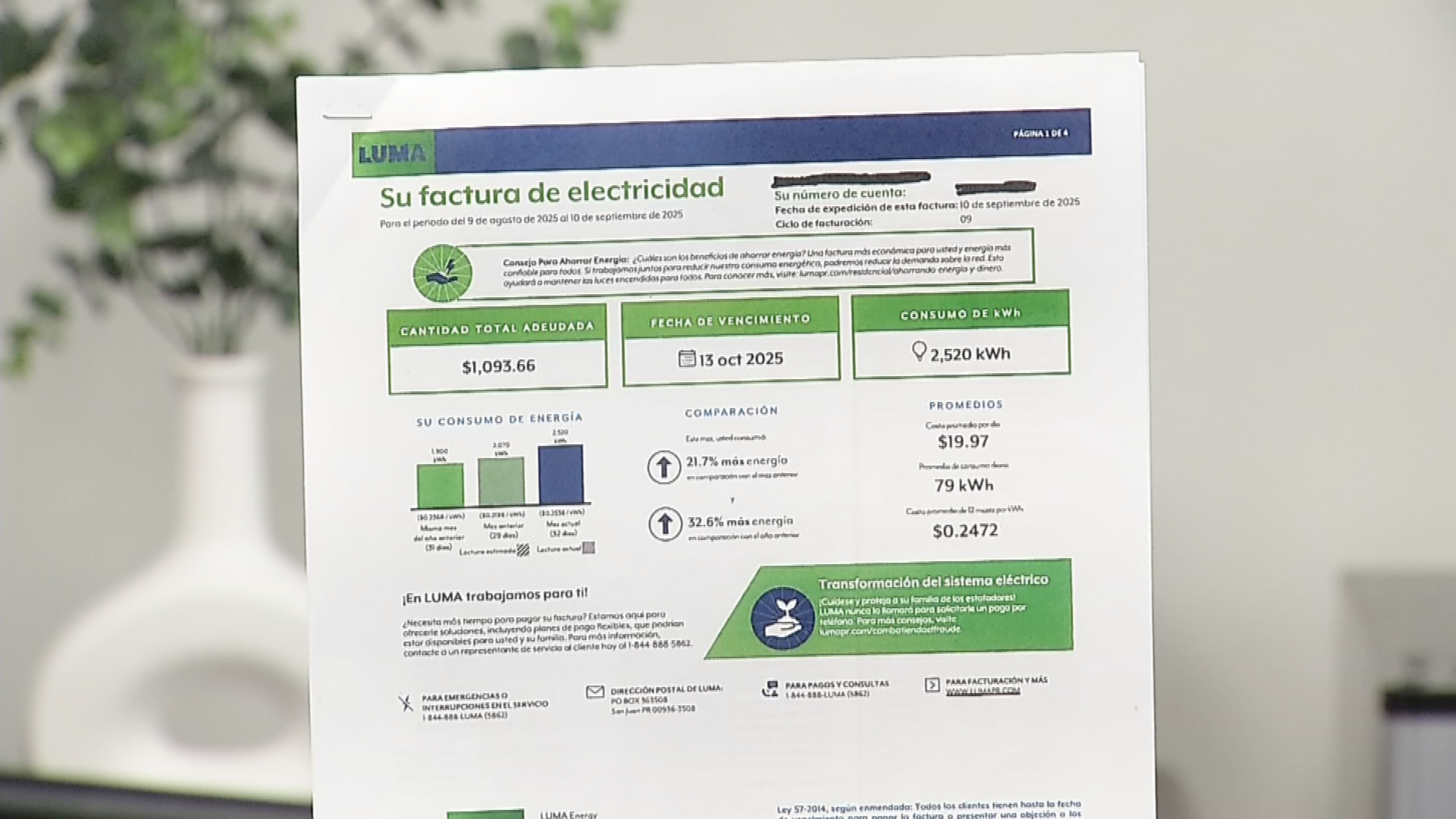
If you opened your electric bill and your heart skipped a beat, it wasn't your imagination. Puerto Rico's Energy Bureau (Negociado de Energía) approved a new quarterly adjustment that, for the April–June 2026 period, pushed the average residential bill from $209.85 to $217.84 a month —about $8 more— based on a typical 800 kilowatt-hour (kWh) usage.12
At CoquiList we read the full ruling so we could explain, in plain terms, what changed and what you can do about it.
Why your bill moves every three months
Your bill has two big parts. One is the base rate, which covers system upkeep and barely changes. The other is the fuel and purchased-power adjustment, which the Bureau recalculates each quarter based on what it actually cost to generate the electricity you used. That second piece is the one that rises and falls.
This time, the increase reflected fuel-cost adjustments driven partly by geopolitical factors —including the conflict in Iran, which rattled energy markets.2 The Bureau itself identified a $2.4 million reduction in fuel costs and ordered $12.28 million in credits returned to customers for purchase reconciliation.2 It also suspended roughly $55 million in deferrals tied to vessel changes at the liquefied natural gas terminal operated by New Fortress Energy, pending unresolved claims.2
Not the year's first warning
This adjustment comes after consumer groups warned in early 2026 that a separate LUMA proposal could raise bills by up to $40 a month for some households.3 Each move —the quarterly one and the long-term proposals— hits your wallet differently, which is why it pays to understand where each number comes from before you pay.4
What it means for you
- Find the "fuel adjustment" line. It's the one that swings the most. Compare this month's bill with the one from three months ago to see how much that specific item rose.
- Watch your usage, not just the rate. Air conditioning is the biggest kWh eater. Setting it to 78°F (25°C), cleaning the filters, and pairing it with a fan can trim the cost without leaving you hot.
- Switch to LED and unplug the "vampires." Chargers, coffee makers, and TVs on standby keep drawing power. A switched power strip kills them all at once.
- If you have solar panels or are considering them, net metering credits the energy you send back to the grid; with rising rates, the payback improves.
- If paying is a struggle, ask about payment plans and the subsidies available for low-income customers before the debt grows.
The best antidote to a rising bill is understanding it. Keep your receipts, compare quarter to quarter, and dispute any charge that doesn't add up: the Energy Bureau is the regulator where you can file complaints.1
Sources
CoquiList summary and local context. Read the linked sources for the original reporting.
Ask about this story
Ask anything about this article — in English or Spanish.
Log in to ask about this story.
Comments (0)
Log in to join the conversation.
No comments yet — be the first.