Puerto Rico Has Just 5 Pediatric Eye Doctors: Foundation Flies In U.S. Specialists for Free Screenings
CoquiList · With information from Primera Hora
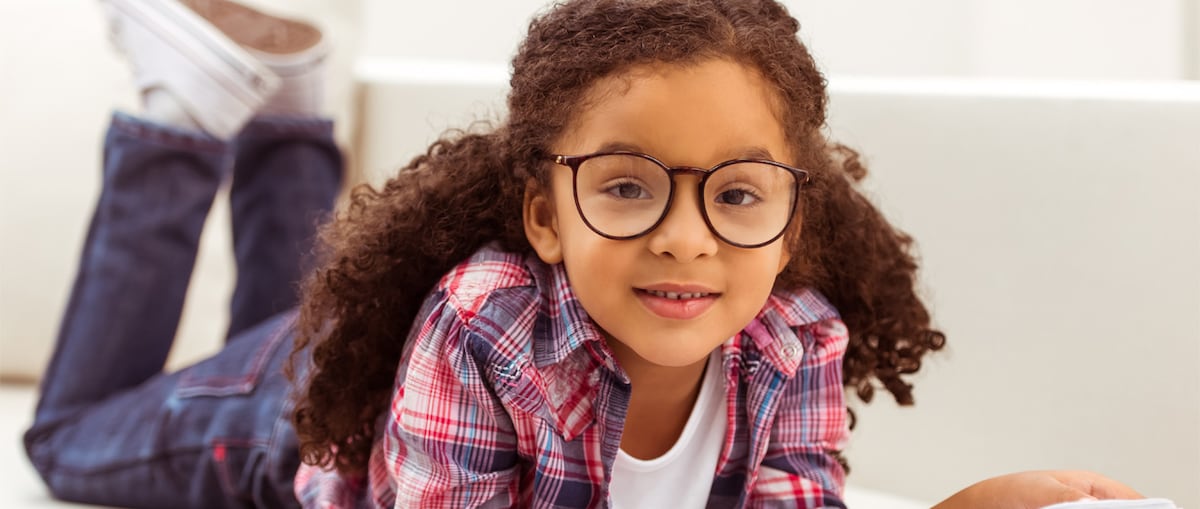
Puerto Rico has just five pediatric ophthalmologists to serve its entire child population — a ratio the medical community describes as alarmingly insufficient 1. Facing that reality, the Ponce Medical School Foundation launched the "Back to School with Healthy Vision" initiative, offering completely free vision evaluations to public and private school students on July 27 at Plaza Las Americas 1.
The big picture: a silent crisis behind the blackboard
The shortage of pediatric ophthalmology specialists in Puerto Rico is not new, but it rarely gets the attention it deserves. With only five doctors on the entire island trained to diagnose and treat visual conditions in children, thousands of families face months-long wait lists or the need to travel outside their municipality to get an appointment.
"Good visual health is fundamental for learning. Many times a child may struggle with reading, writing, or concentrating in class without parents or teachers identifying the root cause as a visual condition," explained Dr. Laura Domenech, senior medical officer of the Ponce Medical School Foundation 1.
The data becomes more urgent when viewed alongside the broader picture of child health on the island. According to the Department of Health, so far in 2026 there have been 6,124 emergency room visits for children ages 0-19 due to various injuries, of which 5,257 were head traumas — many with potential impact on vision 2. Health Secretary Victor M. Ramos Otero has acknowledged that "many summer emergencies are preventable" and that the island needs to strengthen preventive services for minors 2.
The numbers
- 5 pediatric ophthalmologists for the entire island — roughly one per region, with no guarantee of uniform coverage 1
- 6,124 emergency visits for children ages 0-19 due to injuries in 2026, per the Department of Health 2
- 5,257 of those visits were for head traumas 2
- 182 burns and 71 heat-related illnesses among minors 2
- The free evaluation took place on July 27, from 1:00 p.m. to 5:00 p.m., on the first level of Plaza Las Americas near Macy's 1
Who participated
The event was organized by the Ponce Medical School Foundation in collaboration with Ponce Health Sciences University (PHSU), the Puerto Rico Science, Technology & Research Trust, and the National Medical Association 1. To expand service capacity, they brought ophthalmologists and other eye care professionals from the mainland United States to join local specialists 1.
Students who showed the need for additional care during the evaluation received referrals for specialized clinical follow-up with doctors in Puerto Rico, ensuring continuity of care beyond the event 1.
What this means for you
If your child squints at the blackboard, holds books too close while reading, or gets headaches after doing homework, the problem may not be a lack of interest or attention deficit — it could be an undiagnosed vision problem. An untreated visual condition doesn't just lower grades; it can affect a child's social development, self-esteem, and even classroom behavior.
With only five pediatric ophthalmologists on the island, getting an appointment can take weeks or months. That's why events like the one at Plaza Las Americas represent a critical opportunity that Puerto Rican families can't afford to ignore. And with the 2026-2027 school year starting in August, the window to act is closing fast.
How to do it / Checklist
-
Schedule a vision exam before school starts. Contact your pediatrician for a referral to pediatric ophthalmology. You can also reach out to Ponce Health Sciences University (phsu.edu) for information about upcoming free screening events 1.
-
Watch for warning signs at home. Notice whether your child blinks excessively, tilts their head to watch TV, sits too close to screens, or frequently rubs their eyes. These are classic indicators of refractive problems.
-
Check with the school. Ask the guidance counselor or school nurse whether the campus has a vision screening program at the start of the year. Many school districts run basic screenings during the first weeks of classes.
-
Don't wait for the child to complain. Many children don't know their vision isn't normal because they've never seen well. A timely exam can detect myopia, astigmatism, amblyopia ("lazy eye"), and strabismus — all treatable conditions when caught early.
-
If they already wear glasses, verify the prescription. Children's vision changes quickly. Last year's prescription may be completely outdated by this August.
What's next
The Ponce Medical School Foundation announced it will continue coordinating free vision screening events in collaboration with PHSU and its national partners 1. The Department of Health, for its part, maintains its active "A Safe Summer: Let's Protect Our Children" campaign in coordination with the Puerto Rican Pediatric Society and the University Pediatric Hospital, which includes injury prevention recommendations for minors during summer 2.
With the return to school just days away, the reality is clear: five pediatric ophthalmologists cannot serve an entire island. If you missed the Plaza Las Americas event, don't sit on your hands — book an appointment now, because when 100,000 families call the same week in August, it'll already be too late.
Sources: 1 Primera Hora, "Ya tienes el uniforme y los libros, pero y el examen visual?" (July 2026) 2 Puerto Rico Department of Health, Press Release: Child Injury Prevention Campaign (July 3, 2026) 3 Ponce Health Sciences University (phsu.edu)
CoquiList summary and local context. Read the linked sources for the original reporting.
Ask about this story
Ask anything about this article — in English or Spanish.
Log in to ask about this story.
Comments (0)
Log in to join the conversation.
No comments yet — be the first.