Puerto Rico Launches Its First Rural Medicine Residency in Castañer
CoquiList · With information from El Nuevo Día
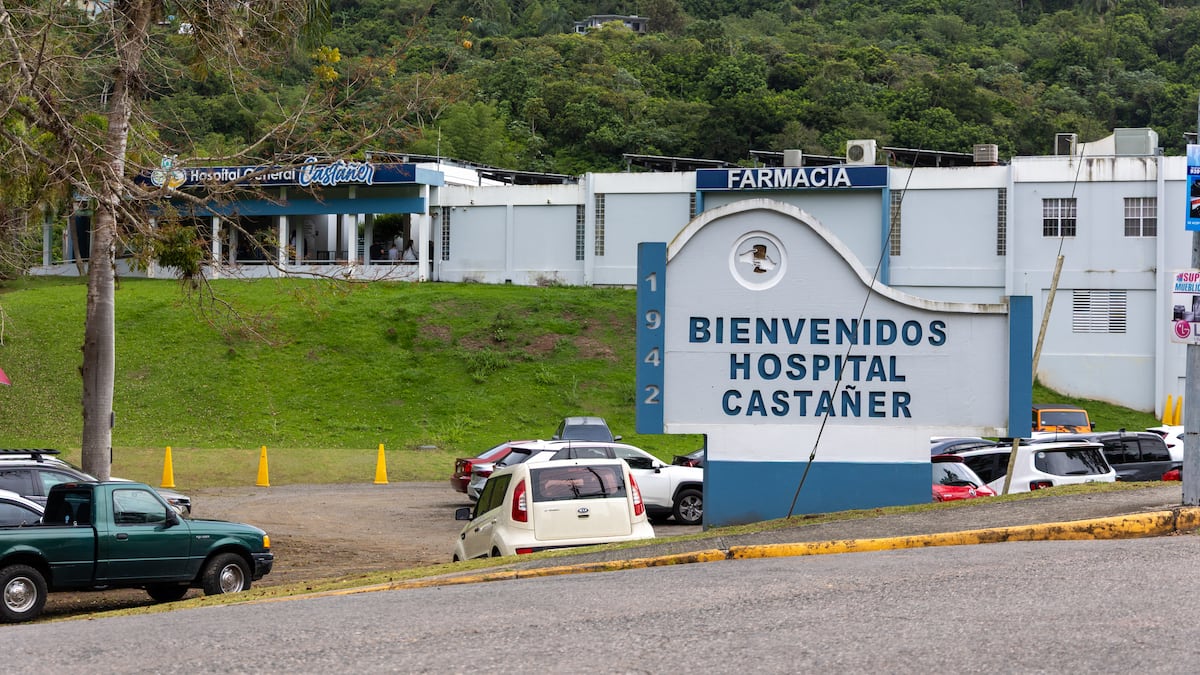
Puerto Rico just took a historic step in the fight against its rural health crisis: the island launched its first rural family medicine residency 1. The program, a partnership between Ponce Health Sciences University (PHSU) and Hospital General de Castañer, aims to train physicians prepared to practice in mountain communities where the shortage of healthcare professionals has become a silent emergency.
Hospital General de Castañer serves as the sole emergency services access point for residents of six municipalities in the central mountain range: Adjuntas, Jayuya, Lares, Maricao, Las Marías, and Yauco 1. Together, these towns are home to approximately 105,000 people 3, a population scattered across mountains and winding roads where reaching the nearest doctor can take over an hour.
The Context: An Island Losing Its Doctors
The residency arrives at a crítical moment. Puerto Rico has faced a continuous exodus of médical professionals that accelerated after Hurricane Maria in 2017, and mountain towns have borne the brunt of that loss. While metropolitan areas still manage to retain specialists, rural communities have watched their clinics close and their doctors emigrate to the mainland, drawn by better salaries and working conditions.
The federal Health Resources and Services Administration (HRSA) classifies multiple zones across Puerto Rico as Health Professional Shortage Areas (HPSAs) 4, and the central mountain municipalities consistently rank among the most affected. For communities like Maricao -- the island's second-least populated municipality with just 4,336 residents 3 -- a single departing physician can mean thousands of people left without primary care.
The Numbers That Matter
The residency is operated by PHSU, Puerto Rico's largest private médical school, with ACGME accreditation 2. The university, founded in 1977, has campuses in Ponce, San Juan, St. Louis (Missouri), and Tortola (British Virgin Islands), and enrolls more than 360 médical students 2.
The program's focus is deliberate: rural family medicine demands a different kind of training. Residents will learn to handle everything -- from deliveries to cardiac emergencies, mental health to chronic disease management -- because in the mountains there are no subspecialists ten minutes away. Castañer will be both their classroom and their laboratory.
The population depending on this health corridor includes:
- Yauco: 31,608 residents 3
- Lares: 27,744 residents 3
- Adjuntas: 17,994 residents 3
- Jayuya: 14,423 residents 3
- Las Marías: 8,638 residents 3
- Maricao: 4,336 residents 3
Every one of these towns has experienced population decline over the past decade, which only deepens the crisis: fewer residents means fewer patients, which makes it financially harder to sustain médical services -- a vicious cycle this residency seeks to break.
What This Means for You
If you live in Puerto Rico's central mountain zone, this residency could translate into something concrete: more physicians who know your community, understand the realities of rural life, and are trained to treat you without requiring an hour-long drive to Ponce or Mayagüez.
For young people studying medicine on the island, it represents an opportunity to train in an environment that desperately needs professionals -- and to do so with direct mentorship at a community health center that has served the mountains for decades.
How to Take Action / Checklist
- If you are a patient in the area: Contact Hospital General de Castañer to learn about available services and confirm office hours.
- If you are a médical student or about to complete your degree: Research the requirements for PHSU's rural family medicine residency through their academic portal at phsu.edu 2.
- If you are a healthcare professional who wants to contribute: Hospital General de Castañer welcomes professionals interested in clínical rotations and volunteer work in rural communities.
- If you represent an affected municipality: Coordinate with PHSU and Castañer to explore partnerships that could bring satellite clinics or telemedicine to your community.
- If you want to advocate for more resources: Contact your legislators to support legislation incentivizing rural médical practice through student loan forgiveness and salary bonuses.
What's Next
The success of this first residency will be key in determining whether the model can be replicated in other underserved regións of the island, such as the mountainous east or the island municipalities of Vieques and Culebra, which face similar healthcare access challenges.
At the federal level, programs like HRSA's Rural Residency Planning and Development Program 4 offer funding to expand rural residencies. If the PHSU-Castañer partnership delivers results, it could open the door to additional financing and position Puerto Rico as a model for territories facing similar médical access crises.
What began as a community hospital in the mountains is now becoming a médical school. Castañer, the town that for decades has been the central mountain range's lifeline, just took a step that could change the future of rural healthcare across the entire island.
Sources: 1 El Nuevo Dia, "Puerto Rico launches its first rural medicine residency," August 9, 2026. 2 Ponce Health Sciences University, institutional portal (phsu.edu). 3 US Census Bureau, 2025 population estimates. 4 HRSA, Health Professional Shortage Areas (data.hrsa.gov).
CoquiList summary and local context. Read the linked sources for the original reporting.
Ask about this story
Ask anything about this article — in English or Spanish.
Log in to ask about this story.
Comments (0)
Log in to join the conversation.
No comments yet — be the first.