Saharan dust and extreme heat: how to protect yourself this season
CoquiList · With information from Metro Puerto Rico
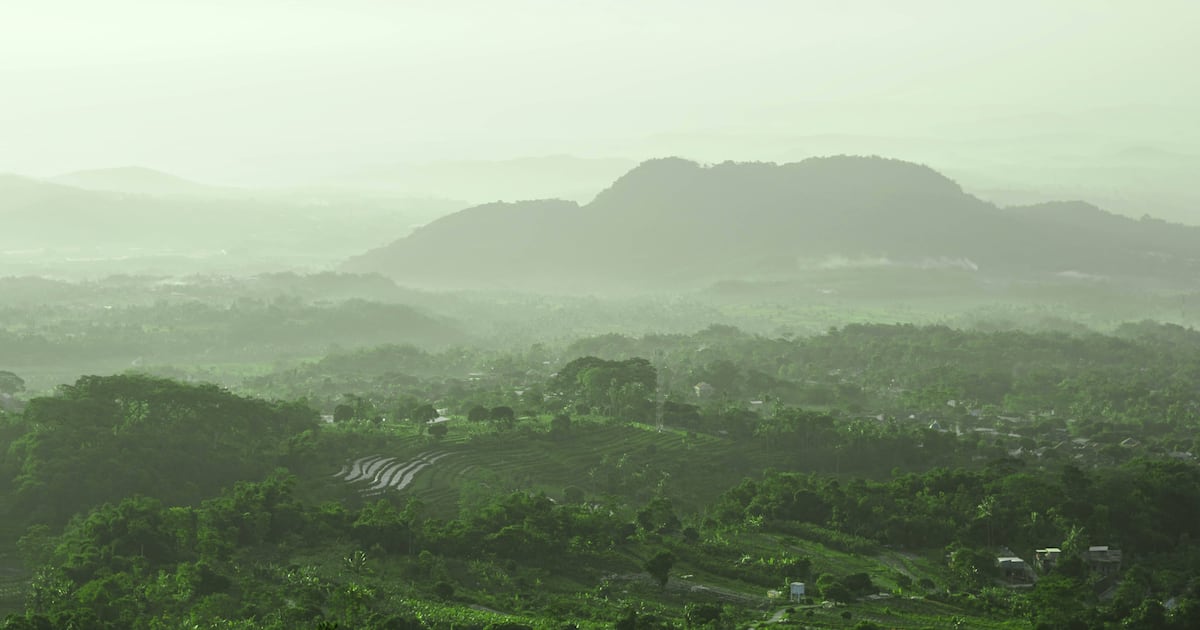
If you've noticed the sky looking milky white, sunsets turning extra orange, and your throat feeling scratchy, it isn't your imagination: it's Saharan dust combined with sweltering heat, the mix that defines Puerto Rico's summers. This month the National Weather Service reported moderate-to-high dust concentrations over the island, with hazy skies, reduced visibility, and poor air quality.12
At CoquiList we break down what this phenomenon is, how it affects you, and —most important— how to stay safe without hiding indoors all summer.
What Saharan dust is
Every year, between June and August, strong winds lift sand and fine particles from Africa's Sahara Desert and push them more than 5,000 miles across the Atlantic to the Caribbean. Meteorologists call that dry, dusty air mass the Saharan Air Layer (SAL).3 It has an upside: it dries out the atmosphere and often suppresses tropical cyclone formation. But it also worsens air quality and carries fine particles (PM2.5 and PM10) that we breathe.34
This season's numbers
- Heat first. The heat index has topped 100 °F, especially in coastal and urban areas, with the greatest risk on weekends.2 In intense events it can approach 108 °F.
- Unhealthy air for sensitive groups. The dust degrades air quality, and officials have asked for special attention to people with respiratory conditions.14
- Fire risk. Dry, windy conditions raise the danger of brush fires, especially across the southern coastal plains.2
How it affects your health
The combination of suspended dust and high temperatures hits the respiratory and cardiovascular systems hardest. People with asthma, allergies, or chronic lung conditions may feel coughing, congestion, itchy eyes, and shortness of breath. Scientific evidence links high exposure to these particles with asthma flare-ups and cardiovascular events.4 Children, older adults, and pregnant people are the most vulnerable.
What it means for you: your protection checklist
- Close doors and windows on the highest-concentration days and run AC on recirculate if you have it.
- Wear a mask (an N95 filters fine dust better) if you must be outside for long stretches.
- Keep your medications handy. If you use an inhaler or antihistamines, don't wait until you feel bad; follow the plan your doctor gave you.4
- Hydrate and avoid midday sun. Against the heat, drink water even if you're not thirsty and limit outdoor exercise to early morning or dusk.2
- Mind the fire risk. Don't burn brush or toss cigarette butts; a spark spreads fast in dry grass.2
- Clean with a damp cloth, not dry, so you don't re-launch the dust that settles in your home.
Tools to monitor it
Puerto Rico now has an air-quality warning system that gives up to three days' notice of incoming dust, developed with NASA's help.3 You can check the CARICOOS aerosol/dust forecast5 and air-quality apps (AirNow, IQAir) to see your area's AQI before planning outdoor activities.
What to expect
Dust episodes arrive in waves all summer and tend to be more frequent and intense from June through August, alternating hazy days with clearer ones.34 The good news: each plume passes within a few days. Keep an eye on the advisories, protect the most vulnerable people in your home, and adjust plans to the AQI. With a little information and a couple of simple precautions, the boricua summer is just as enjoyable.
Sources
CoquiList summary and local context. Read the linked sources for the original reporting.
Ask about this story
Ask anything about this article — in English or Spanish.
Log in to ask about this story.
Comments (0)
Log in to join the conversation.
No comments yet — be the first.