Federal Probe Requested: Municipalities Taxing Federally-Funded Reconstruction Projects
CoquiList · With information from El Vocero

A Washington-based advocacy organization is asking the federal government to investigate two Puerto Rico municipalities — Guayama and Humacao — for charging municipal taxes on reconstruction projects funded with federal disaster relief money 1. The move could put billions of dollars still available for the island's recovery at risk.
Frontiers of Freedom, led by its president George Landrith, sent formal letters to the inspectors general of the Department of Homeland Security (DHS), the Department of Energy (DOE), and the Department of Housing and Urban Development (HUD) requesting an investigation 1. In the letters, Landrith directly accuses both municipalities of treating federal recovery funds as "a source of general fund income."
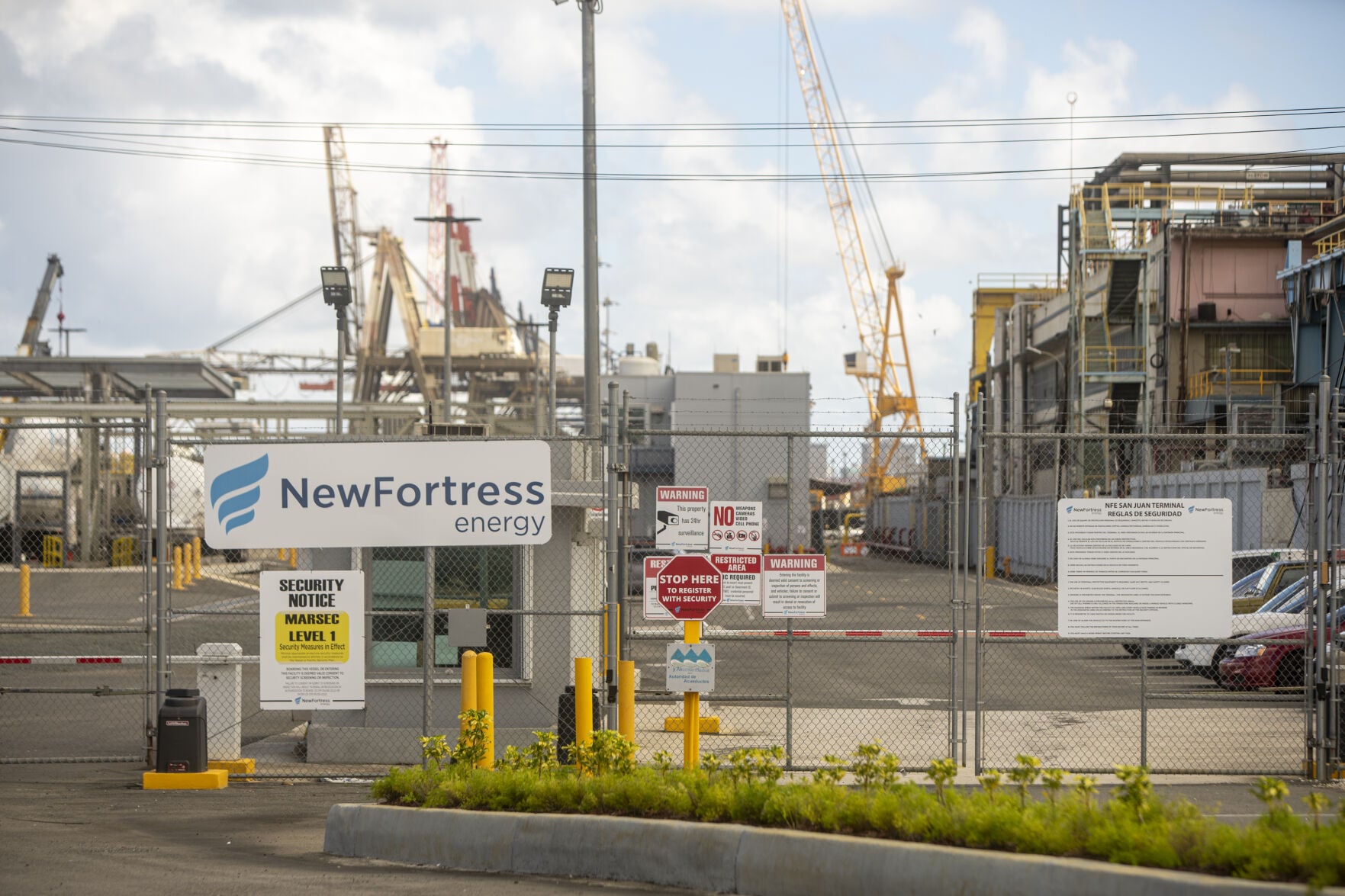
The issue centers on construction arbitrios — building permits, municipal licenses, penalties, and interest — that these municipalities charge contractors working on projects paid with federal money from FEMA and other agencies. Both municipalities went so far as to sue Cobra Acquisitions, the contractor tasked with restoring the electrical grid after Hurricanes Irma and Maria, seeking to seize the company's assets for unpaid construction permits and fees 1.
The Fiscal Oversight Board had already warned mayors' associations that implementing Law 215 of 2024 — which amended the Municipal Code regarding construction permit exemptions — could jeopardize billions in disaster relief funds 1. Federal regulations (CFR) prohibit state and local governments from including self-assessed taxes in cost estimates for federally-funded projects.
But here is where it gets complicated: FEMA and Puerto Rico's Central Office for Recovery, Reconstruction, and Resilience (COR3) officially authorize permit costs as project expenses 1. In other words, the municipalities argue they are charging the same fees they charge any project, public or private.
Guayama responded that "all projects, public or private, pay construction permits" 1. Humacao, for its part, says the tax is charged to contractors during the bidding process, not directly to federal funds, and that they have received no communication from federal agencies on the matter 1.
What It Means for You
This affects you even if you do not live in Guayama or Humacao. If municipalities are diverting money that should go toward reconstruction to cover their operating budgets, it means electrical grid repairs, road projects, and housing recovery efforts get delayed or become more expensive. Every federal dollar that goes to municipal fees is one less dollar fixing the infrastructure you rely on daily.
Moreover, if a federal investigation determines that funds were misused, the federal government could impose additional restrictions on how recovery money is disbursed — which would delay projects across ALL municipalities, not just the two being called out.
Law 215 of 2024 attempted to create exemptions for these situations, but the Fiscal Board warned its implementation carries risks. The tension between municipal fiscal autonomy and federal regulations creates a gray area that contractors and residents end up paying for.
How to Take Action
- Learn about projects in your municipality. Check whether your local government is charging construction fees on federally-funded reconstruction work. You can ask directly at the permits office.
- Review FEMA and COR3 projects in your area. Visit COR3's website (recovery.pr.gov) and look up projects assigned to your municipality to see what work should be underway.
- Attend municipal public hearings. Construction fee ordinances are discussed at municipal assemblies. Your voice matters when these rates are set.
- Report irregularities. If you suspect federal funds are being diverted, you can report it to FEMA's Inspector General (oig.dhs.gov) or HUD's Inspector General (hudoig.gov).
- Contact your legislator. Your district's representatives and senators can push for transparency in how municipalities handle reconstruction funds.
What Comes Next
The ball is now in the federal inspectors general's court. If they decide to open a formal investigation, Guayama and Humacao would have to open their books and demonstrate that their charges do not violate federal regulations. Meanwhile, the Fiscal Oversight Board continues to monitor the situation, especially the implementation of Law 215.
Other municipalities will be watching closely. If the probe concludes these charges are illegal, it could set a precedent forcing all 78 municipalities to return money or adjust their fiscal practices regarding federal projects. And if nothing happens, it could open the door for more mayors to do the same.
What is clear is that billions in recovery funds remain available for Puerto Rico, and how they are managed will define the speed of the reconstruction everyone is waiting for.
Sources: 1 https://www.elvocero.com/gobierno/solicitan-pesquisa-federal-sobre-impuestos-municipales-a-obras-de-reconstrucci-n/article_655eaa0f-c169-4991-ac30-4b0ca68ece81.html
Sources
CoquiList summary and local context. Read the linked sources for the original reporting.
Ask about this story
Ask anything about this article — in English or Spanish.
Log in to ask about this story.
Comments (0)
Log in to join the conversation.
No comments yet — be the first.