UPR receives $9 million NSF grant to build an artificial intelligence research ecosystem
CoquiList · With information from El Vocero
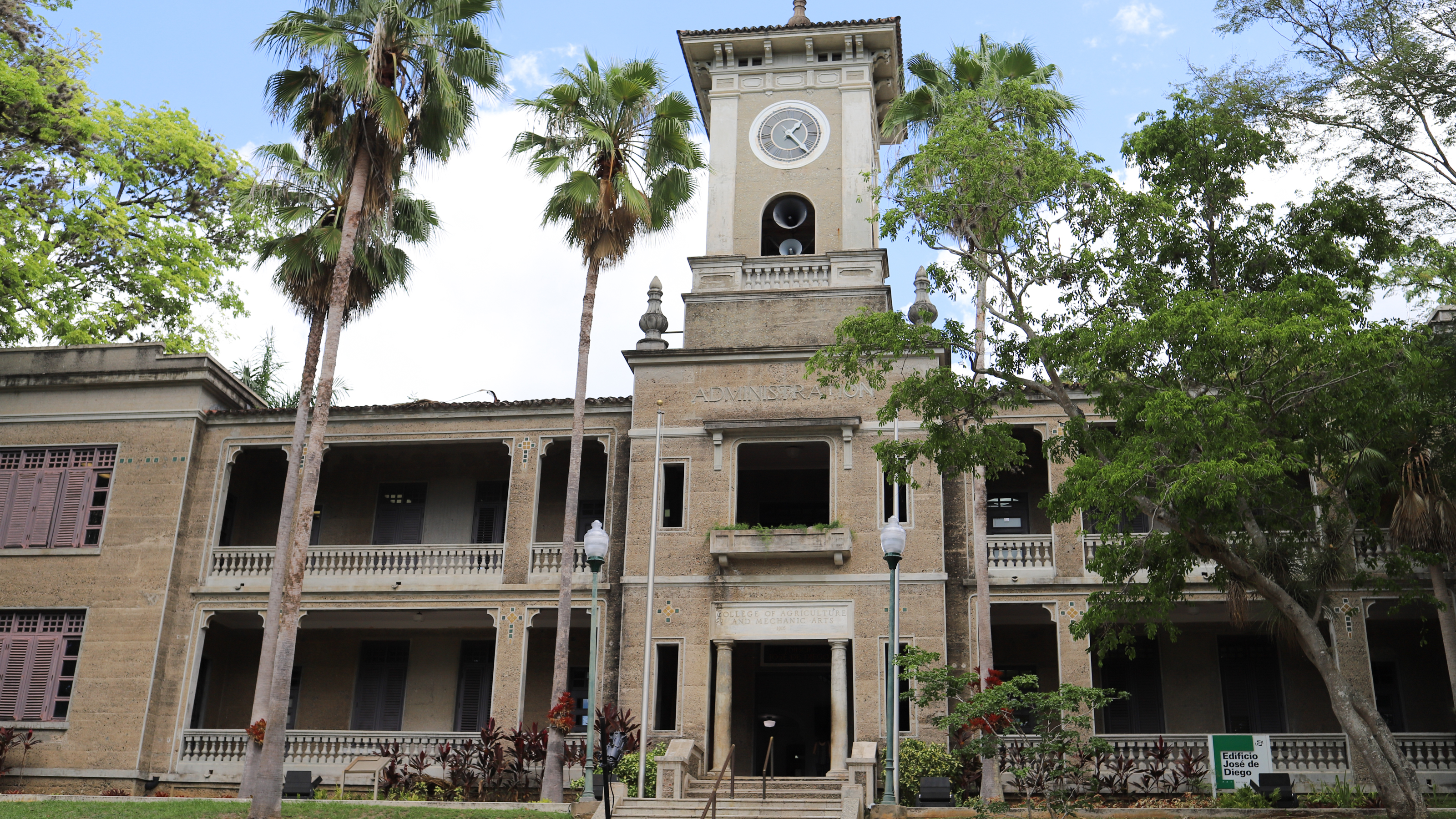
Ten University of Puerto Rico campuses and the Ana G. Mendez University System will join forces to develop artificial intelligence technologies thanks to a $9 million federal grant from the National Science Foundation (NSF), the largest recent investment in scientific infrastructure for the island 1.
The project, named RAIS-PR (Research Infrastructure for AI-based Sustainable STEM Technologies in Puerto Rico), was selected under the NSF's EPSCoR E-CORE (Collaborations for Optimizing Research Ecosystems) program, a highly competitive initiative designed to strengthen research ecosystems in historically underrepresented jurisdictions when it comes to federal funding 2.
The Mayaguez campus (RUM) leads the initiative. The other nine participating campuses are Rio Piedras, Aguadilla, Arecibo, Bayamon, Carolina, Cayey, Humacao, Ponce, and Utuado. The inclusion of virtually the entire UPR system, plus the private Ana G. Mendez university, makes RAIS-PR the broadest inter-institutional research collaboration assembled in Puerto Rico in recent years.
The principal investigator is Dr. Vidya Manian from RUM, joined by co-investigators Heeralal Janwa, Dibin M. George, Venkataramani Kumar, and Jesus A. Sanchez Perez 1.
Where the funds are going
The $9 million will finance five lines of work:
- Resilient energy systems — AI models to optimize power grids and renewable sources, a critical issue on an island still dealing with frequent blackouts.
- Quantum sensors — development of next-generation sensors with applications in precision agriculture and environmental monitoring.
- Secure communications — cybersecurity protocols enhanced with AI techniques.
- Advanced computing — access to supercomputing resources for researchers and students across all participating campuses.
- Sustainable technologies — applied solutions to the Caribbean's climate and environmental challenges.
From the total budget, 23 initial seed research awards will be granted to open new lines of study in these fields 2.
"Our objective is to establish a solid and collaborative research ecosystem that accelerates the development of AI-based technologies, strengthens collaboration between institutions, and prepares a new generation of researchers," explained Dr. Manian 2.
UPR President Zayira Jordan Conde highlighted the competitive significance of the achievement: "This $9 million investment confirms that the University of Puerto Rico has the talent, scientific capacity, and vision needed to compete successfully" at the federal level 1.
RUM interim rector Miguel A. Munoz Munoz added that the project will enable campuses to "share infrastructure, expand capabilities, and generate innovative solutions" — a departure from their historically siloed operations 1.
What this means for you
If you are a graduate or undergraduate student in STEM — engineering, computer science, physics, mathematics, agricultural sciences — this grant opens concrete doors. The 23 seed awards will need research assistants, and labs equipped with supercomputing resources will be available across ten campuses, not just Mayaguez or Rio Piedras.
For the business community, RAIS-PR explicitly seeks to foster partnerships between academia, government, and industry. Local companies in renewable energy, cybersecurity, agricultural technology, and advanced manufacturing could benefit from technology-transfer collaborations.
And for Puerto Rico as a whole, the project tackles a structural problem: the island receives a disproportionately low share of federal research funding compared to states of similar population size. Every competitive grant dollar won strengthens the case for future allocations.
How to get involved / Checklist
- Visit the RUM research portal at www.uprm.edu/research to learn about open calls for the 23 seed awards and eligibility requirements.
- Contact your campus department — if you study at Aguadilla, Cayey, Humacao, or another participating campus, ask your dean of academic affairs how to join RAIS-PR research groups.
- Review UPR's STEM graduate programs — the grant will expand funded research assistantships in fields like computer science, electrical engineering, and agricultural sciences.
- If you are a business owner in tech, energy, or agriculture, reach out to RUM's Office of Business Development to explore technology-transfer partnerships.
- Search for EPSCoR opportunities at nsf.gov if your institution qualifies — Puerto Rico is an eligible jurisdiction, and proposal cycles open regularly.
What comes next
The first 23 seed awards will be granted during the 2026-2027 academic year, with advanced computing labs coming online as equipment is acquired. The project envisions that the results from this first phase will position UPR to compete for even larger federal grants in upcoming NSF cycles.
Meanwhile, RUM marked another milestone this week by conferring its first fully online degree — a master's in Agricultural Economics — signaling a university system that, despite its fiscal challenges, continues expanding its academic and scientific reach 3.
Sources
CoquiList summary and local context. Read the linked sources for the original reporting.
Ask about this story
Ask anything about this article — in English or Spanish.
Log in to ask about this story.
Comments (0)
Log in to join the conversation.
No comments yet — be the first.