UPR Opens Enrollment July 30 With Professor Shortages at 10 Campuses and Over 1,000 Canceled Admissions
CoquiList · With information from Metro Puerto Rico
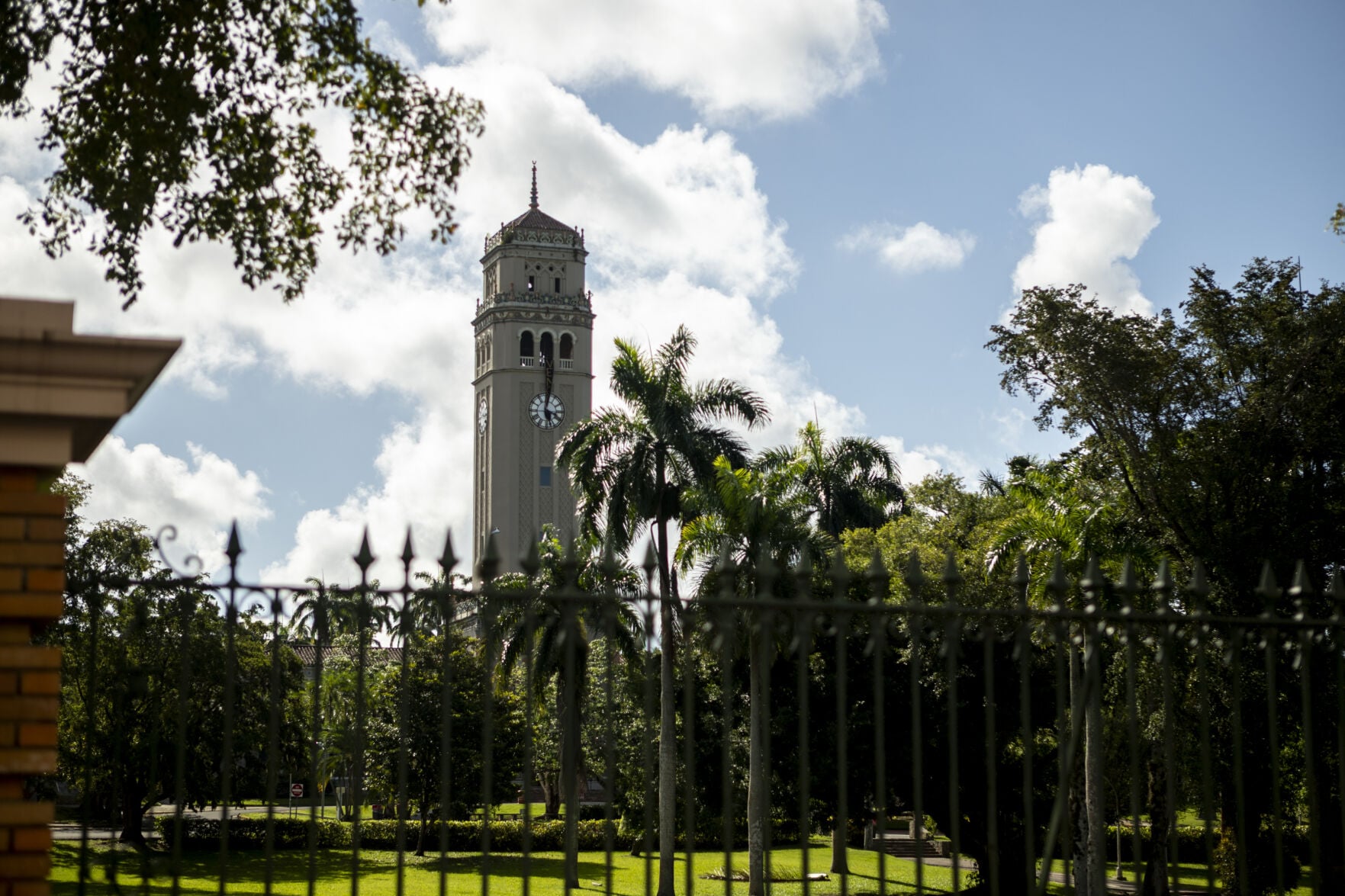
The University of Puerto Rico (UPR) will open enrollment for the first semester of 2026-2027 on July 30 at the Río Piedras campus, but it does so amid a faculty staffing crisis that touches nearly the entire public university system. Documents delivered to the Puerto Rico Senate by UPR President Zayira Jordán Conde confirm that ten of the system's eleven campuses operate with professor deficits and academic overload, calculated based on a 12-credit full-time teaching load 1.
Only the Medical Sciences campus — with 94.8% stable faculty — escapes the trend. At Río Piedras, the flagship campus, there are 113 vacant positions and a 211.4-credit academic overload 1. The pattern repeats, on a smaller scale, at Mayagüez, Bayamón, Cayey, Humacao, Arecibo, Aguadilla, Carolina, Ponce, and Utuado.
The context: a semester scarred by historic strikes
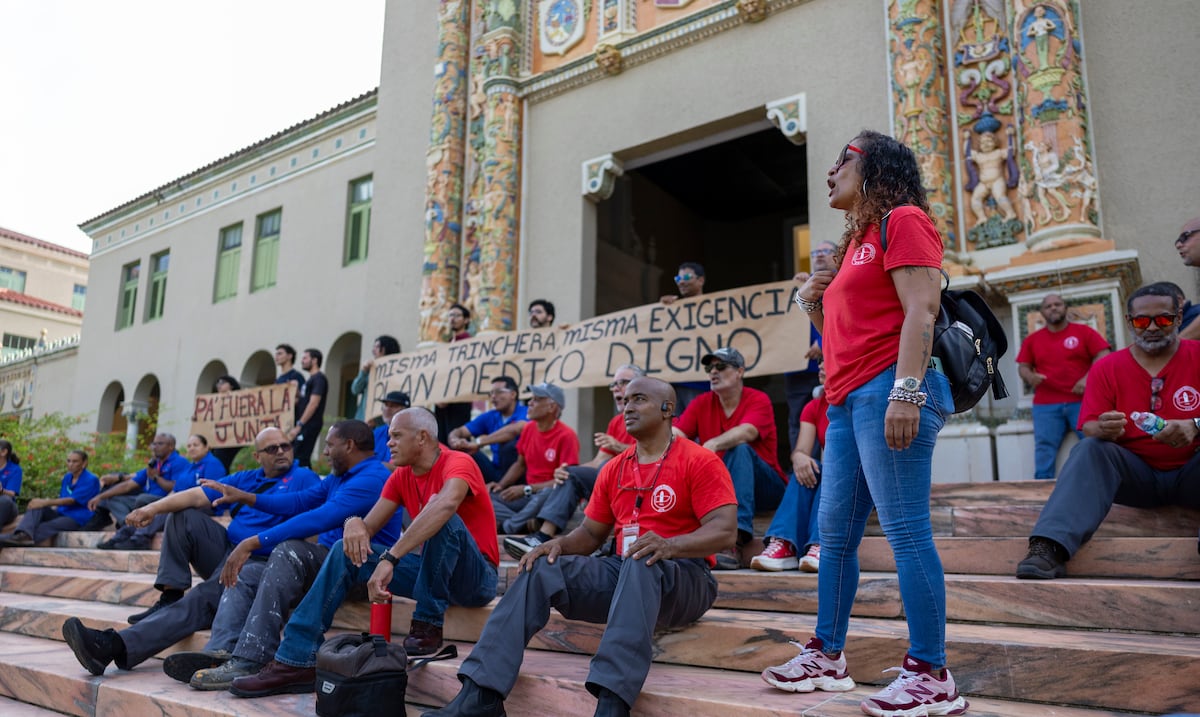
The faculty snapshot arrives after the most turbulent semester in years. Between March and June 2026, nine of the eleven campuses experienced student strikes or work stoppages that paralyzed academic activities for up to 72 days 3. The trigger was the removal of rectors at Río Piedras, Mayagüez, Bayamón, Ponce, and Aguadilla by the Board of Governors at Jordán Conde's request.
The stoppages began on March 28 and peaked with indefinite strikes at Río Piedras (from April 27) and Mayagüez (from April 13). Humacao was the last campus to close that chapter on June 7 3. Classes at Río Piedras were completed through "alternative methods" — meaning remotely — with final exams held May 15-22 4.
The numbers that matter
Canceled admissions: During the strikes, 1,147 admitted students canceled their applications — an increase of 337 over the 810 cancellations recorded at the same point the prior year. Of the 11,700 applications received, 9,975 were accepted, but only 8,789 confirmed they would enroll 3.
Contract faculty vs. permanent positions: The UPR has been steadily reducing permanent faculty positions and replacing them with temporary contracts. According to APPU organizer Raúl Santiago Bartolomei, this dynamic erodes research capacity and institutional competitiveness 1.
Stalled collective bargaining: Negotiations between APPU and university administration for the faculty's first collective bargaining agreement have been ongoing for more than two years — they began in March 2024 — and have been paralyzed since mid-2025 2. APPU attributes the impasse to "reasons attributable to institutional management."
Budget: The Fiscal Oversight Board rejected the UPR's budget for fiscal year 2026 and continues pushing for tuition increases, while Jordán Conde has insisted her administration will not impose tuition hikes on students 1.
Expert perspective: Economist José Caraballo Cueto warned that the professor deficit damages research capacity and institutional prestige, undermining Puerto Rico's competitiveness in attracting foreign investment. "If you expect more students to arrive under Law 113's automatic admission, under what conditions will they arrive? Do we have enough professors?" asked Santiago Bartolomei 1.
UPR Fest: an attempt to rebuild confidence
Against that backdrop, on July 18 the UPR held its first-ever UPR Fest 2026, a free event at the Río Piedras campus tower that brought together the academic offerings of all 11 campuses in a single venue 4. Attendees could explore undergraduate and graduate programs, speak with admissions staff, and complete applications and FAFSA forms with on-site assistance. The event also featured food trucks, artisan vendors, campus mascots, and a "Prepa Justas" recreation zone.
What it means for you
If you are a current or prospective UPR student, enrollment for the first semester 2026-2027 opens July 30. The professor shortage could translate into limited course sections, faster-filling classes, and greater reliance on contract faculty. If you are the parent of an admitted student who is still undecided, active participation in orientations and direct communication with the campus can clarify your options. For university professors, collective bargaining remains pending, and APPU continues advocating for working conditions that retain talent.
How to do it
- Confirm your enrollment on time. If you are an admitted student, verify your enrollment window on your campus admissions portal before July 30.
- Check your FAFSA. If you haven't completed it yet, do so at studentaid.gov as soon as possible — federal funds are allocated on a first-come, first-served basis.
- Review course offerings. Access your campus enrollment system to see available sections and plan alternatives in case your preferred section fills up.
- Contact admissions directly. If you canceled your admission during the strikes and are reconsidering, reach out to your campus admissions office. The UPR has an "intensive recovery plan" for cancellations.
- Register at linktr.ee/AdmisionesUPR for centralized information from all 11 campuses 4.
What comes next
Enrollment for the first semester 2026-2027 runs July 30 through August 5 at Río Piedras, with similar dates at other campuses. President Jordán Conde projects a "similar" number of enrolled students for August, but the cancellation figures and faculty tensions put that projection to the test. APPU has demanded that collective bargaining negotiations resume before the start of classes. And the fundamental question — whether the Fiscal Oversight Board will eventually impose tuition increases that the administration has promised to avoid — remains unanswered.
CoquiList summary and local context. Read the linked sources for the original reporting.
Ask about this story
Ask anything about this article — in English or Spanish.
Log in to ask about this story.
Comments (0)
Log in to join the conversation.
No comments yet — be the first.