Drought Drives Up Feed Costs and Threatens Puerto Rico's Coffee Harvest
CoquiList · With information from El Vocero de Puerto Rico
Nearly eight out of every ten acres of land in Puerto Rico are under drought conditions, and that dry meteorological statistic is already translating into dollars and cents for farmers, ranchers, and anyone buying milk, meat, or coffee at the supermarket. Forage and hay production has collapsed to a fraction of normal levels, and coffee growers warn that this year's harvest — and potentially the next three to four years — could come out smaller and lighter than expected.
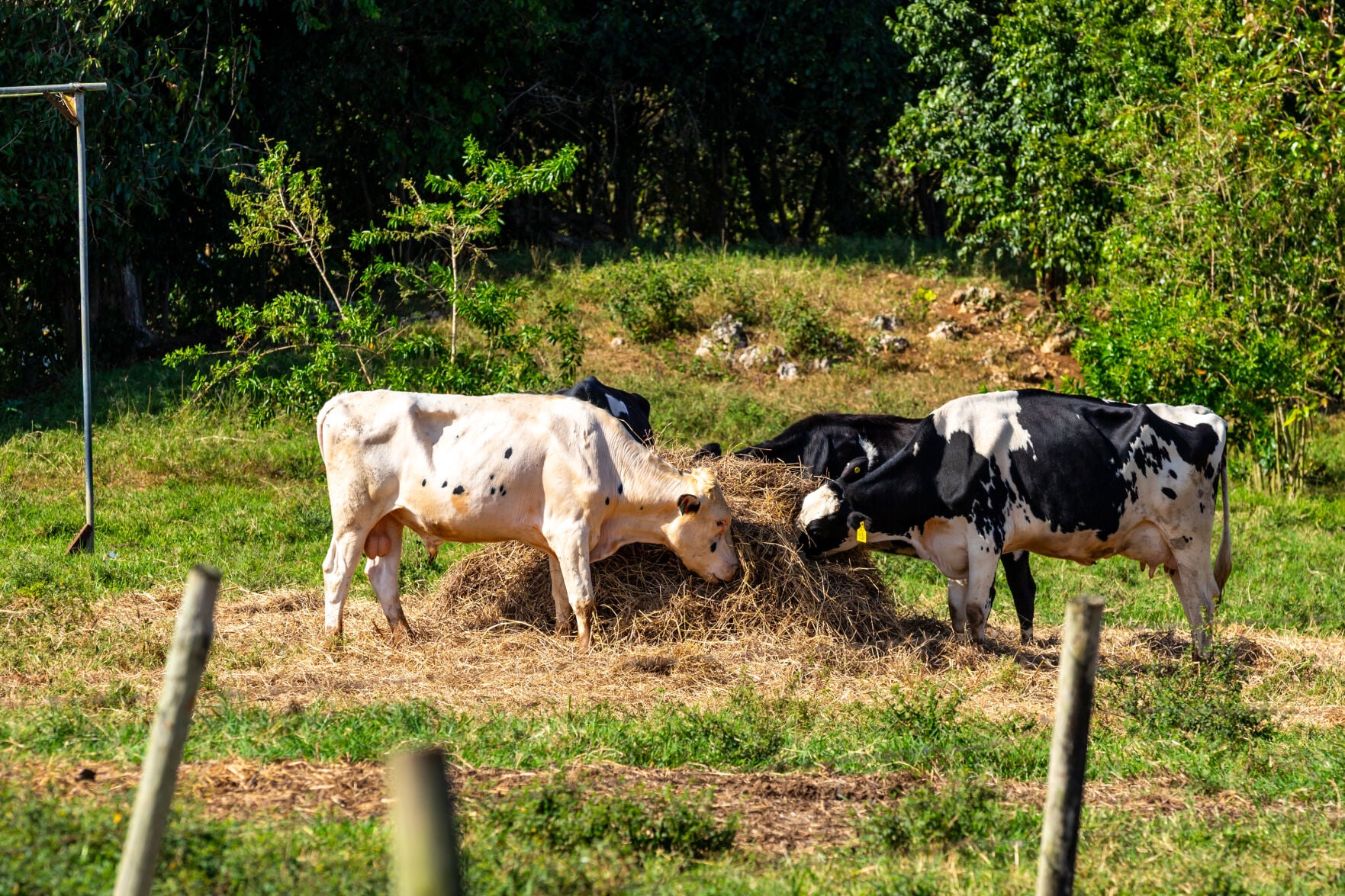
According to Ivan Cordero, president of the Puerto Rico Forage Producers Association, weekly production that normally runs between 5,000 and 9,000 hay rolls, plus 20,000 to 25,000 bales, has dropped to just 1,200 to 1,500 rolls and about 5,000 bales per week 1. On top of that, the nutritional value of available grass fell 30% to 40%, forcing ranchers to buy more supplemental feed.
The hit to the wallet is direct. A bale of hay imported from the United States costs $18.20, and an imported alfalfa roll runs $25.50 — compared to the $7 to $9 a bale normally costs when produced on the Island outside of drought season 1.
78.94% of Puerto Rico's territory is under some drought classification, from D0 to D3 1. The 2015 drought left total agricultural losses of $12.2 million, including $4.6 million in grass losses and $3 million in forage and pasture losses 1. Rafael Mejia Garcia, an agricultural economist with the Monte Azul Foundation, warned that the current pattern could exceed that precedent if rainfall doesn't normalize soon.
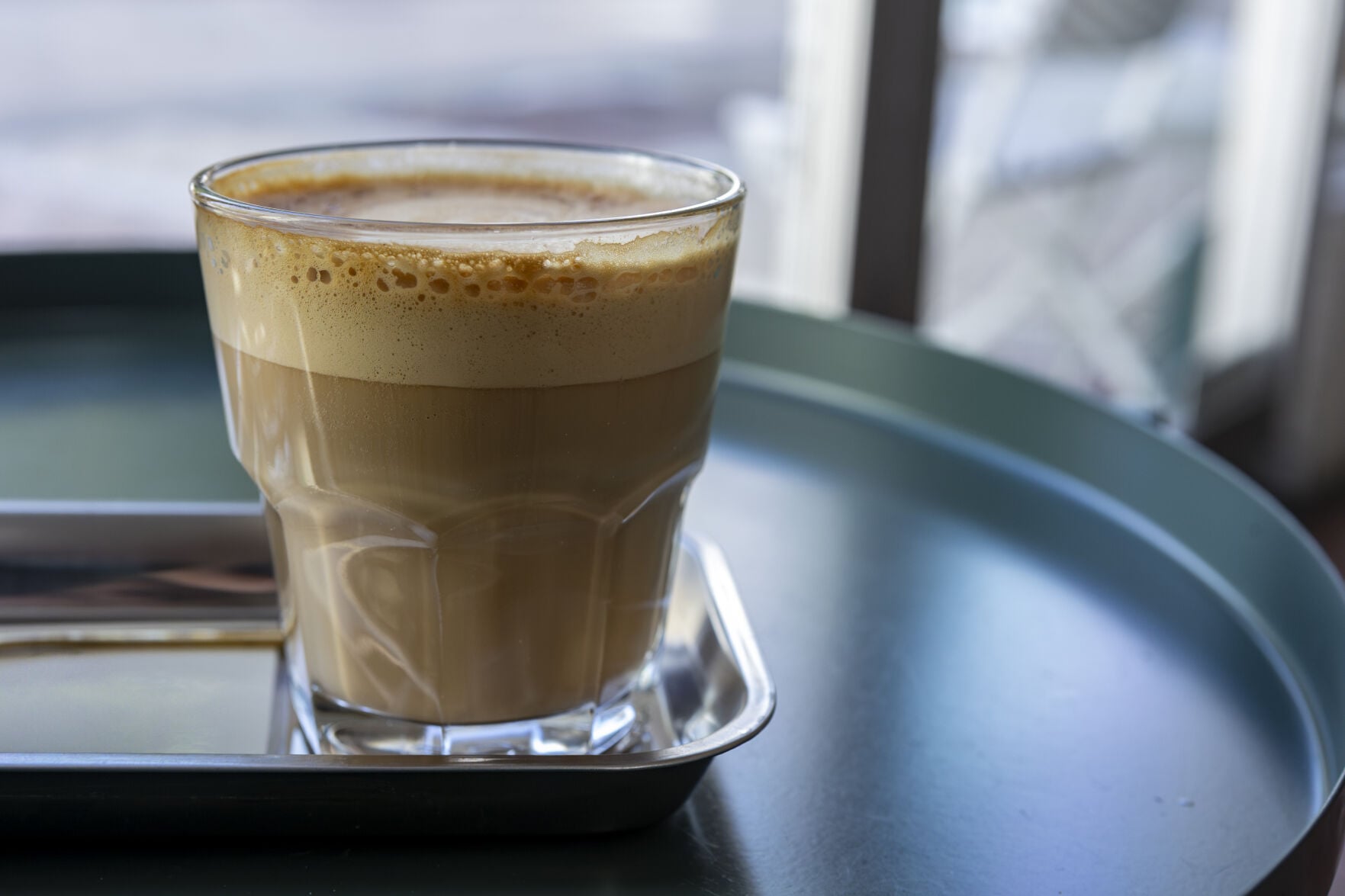
Coffee isn't spared either. Iris Jannette Rodriguez, president of the Farmers Association and Procafe, explained that lack of rain during critical growing stages is delaying plant development, potentially resulting in smaller, lighter beans. Mejia Garcia added that damage to young coffee plants can take three to four years to overcome 1.
What this means for you
If you run a farm, dairy, or livestock operation, your feed costs have already gone up and will likely keep climbing. If you're a consumer, brace for milk, cheese, beef, and eventually Puerto Rican coffee to reflect these higher production costs.
How to handle it / Checklist
- Livestock and forage producers: document your production losses week by week for federal assistance applications.
- Apply for USDA assistance: local infrastructure programs offer up to $12,000 per producer and centralized projects up to $500,000 1.
- Coffee growers: check with the Department of Agriculture about priority irrigation protocols.
- Consumers: compare dairy and meat prices across supermarkets now.
- Food businesses: if you depend on local coffee or dairy, talk to your suppliers about availability and pricing.
What's next
Agriculture Secretary Irving Rodriguez and Governor Jenniffer Gonzalez Colon face pressure to speed up federal emergency funds before the coffee harvest advances further. All eyes are on whether the coming weeks bring enough rain to stabilize forage production before the damage becomes permanent.
Sources 1 El Vocero de Puerto Rico — "Sequia reduce produccion de forraje y amenaza cosecha de cafe en Puerto Rico" — August 11, 2026
Sources
CoquiList summary and local context. Read the linked sources for the original reporting.
Ask about this story
Ask anything about this article — in English or Spanish.
Log in to ask about this story.
Comments (0)
Log in to join the conversation.
No comments yet — be the first.