Fiscal Oversight Board Tightens Grip on Education: Demands 23 Documents by October 30 After 18 Months of Non-Compliance
CoquiList · With information from Metro Puerto Rico
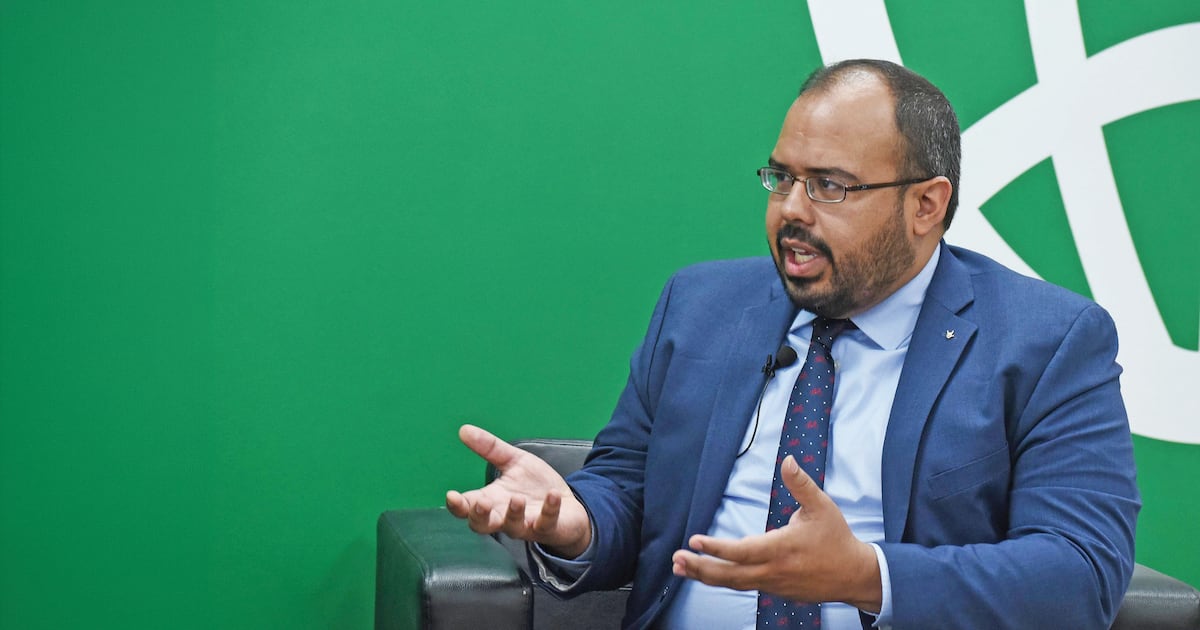
The Financial Oversight and Management Board (FOMB) sent a new letter to the Department of Education (DEPR) on September 16, 2026, demanding 23 categories of documents and policies by October 30 — the latest in a string of requests the agency has left only partially answered for more than a year. FOMB Executive Director Robert Mujica warned that the board could take action if Education does not comply this time 12.
Background
The dispute traces back to May 16, 2025, when the FOMB formally asked DEPR for a five-year fiscal plan with detailed projections for fiscal year 2027 and the five years after. The original deadline was May 23, 2025, but Education never delivered the complete document 4. More than a year later, on April 27, 2026, the Board sent a second formal information request. DEPR responded on May 6, 2026, but the Board deemed that response incomplete 12.
September 18, 2026 marked the most recent deadline the Board had set for Education to deliver the five-year financial plan, according to a September 4 report by Microjuris al Día 5. Two days before that deadline, on September 16, the Board sent another letter, this time demanding 23 distinct categories of policies and documents, with a new deadline of October 30, 2026 12.
The numbers
The September 16 letter demands, among other things, all proposed policies and amendments on school organization and operations, regulations and administrative directives with fiscal implications tied to the Certified Fiscal Plan, circular letters, school transportation regulations, a breakdown of the program that purchases services from private educational entities, and details on supplier payment problems 12.
That last demand is not incidental. On September 14, 2026, El Nuevo Día reported that the Board requested detailed information on payments to private institutions providing specialized services to roughly 2,500 special education students. According to Mujica, the purchase of those private services has increased by more than 36 percent over the past three years — a jump the Board wants explained, since it questions why certain students receive services at private institutions when public schools cannot provide them 3.
Education Secretary Eliezer Ramos Parés responded publicly that he is surprised to receive new correspondence requesting more information when, in his view, the two teams meet practically every day, and that much of the requested documentation is already available on the Department's digital platforms. He also said that if, after years of continuous meetings, the two sides keep returning to previously discussed matters, it is worth asking what could be done differently — and said he is weighing a direct meeting with Board members to gauge the effectiveness of that years-long collaboration 12.
What this means for you
If you have children enrolled in the public school system, especially in special education programs or those relying on school transportation or privately contracted services, this administrative standoff could directly affect school-year planning. An Education Department under audit pressure without a certified fiscal plan carries a higher risk of delayed payments to transporters and suppliers, something that has already happened in prior years according to the Board itself 4. On top of that, the lack of transparency around how temporary federal funds are spent on recurring programs is a warning sign for any family that depends on those services long-term.
How to check / Checklist
- If your child receives special education services through a private provider contracted by DEPR, request written confirmation that provider's contract is active and current on payments.
- Check the Legislative Services portal (oslpr.org) or the SUTRA portal to see whether any bills related to Education's financing have been filed.
- If your municipality or school depends on contracted school transportation, ask the school principal directly whether any payment delays to transporters have been reported.
- Follow the Financial Oversight and Management Board's press releases (oversightboard.pr.gov), where official letters sent to agencies — including this one to DEPR — are published.
- If you work as a supplier or contractor for the Department of Education, document any payment delays and consult the Comptroller's Office if you suspect irregularities in the contracting process.
What's next
October 30, 2026 is the new deadline the Board set for Education to deliver the 23 categories of documents demanded in the September 16 letter. Mujica has warned the Board could take action if the Department fails to comply, though he has not publicly specified what kind of measure it is considering. Ramos Parés, for his part, is weighing a request for a direct meeting with Board members before that date to try to resolve the disagreement over what information has already been shared. If no agreement is reached, the dispute is likely to escalate toward a more formal process, similar to other cases in which the Board has used its powers under PROMESA to compel compliance from central government agencies.
Sources
1 Metro Puerto Rico 2 NotiCel 3 El Nuevo Día 4 NotiCel 5 Microjuris al Día
Sources
CoquiList summary and local context. Read the linked sources for the original reporting.
Ask about this story
Ask anything about this article — in English or Spanish.
Log in to ask about this story.
Comments (0)
Log in to join the conversation.
No comments yet — be the first.