Puerto Rico Inflation Eases to 4.0% in July, but Gasoline Is Still 26.9% Pricier Than a Year Ago
CoquiList · With information from Sin Comillas
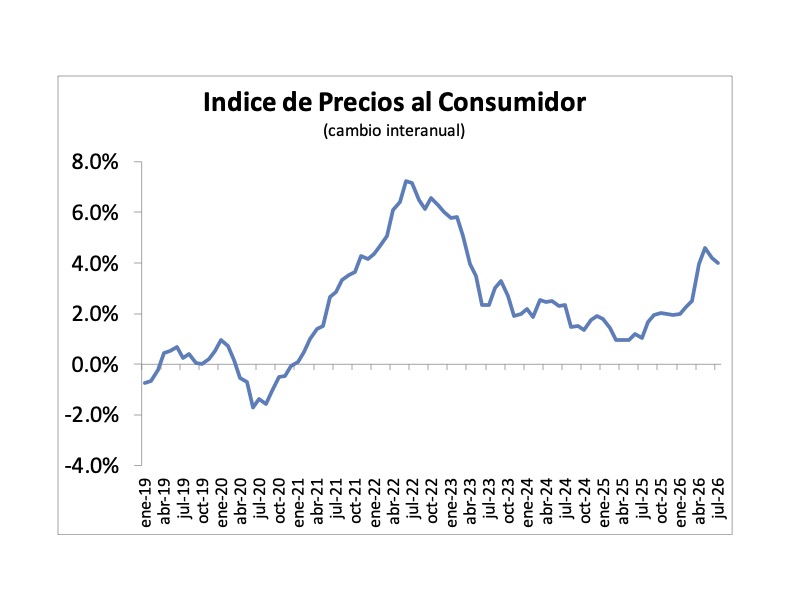
Prices in Puerto Rico are still climbing, but finally at a less aggressive pace. Inflation came in at 4.0% in July 2026, according to the latest Consumer Price Index (CPI) data produced by the Department of Labor and Human Resources (DTRH) 12. Compared with June, the index rose just 0.1%, and the annual rate came in below the 4.6% peak recorded in May, when oil and gasoline hit highs driven by the closure of the Strait of Hormuz 2.
The news cuts both ways. The good: the pressure on household budgets is easing month by month. The bad: 4.0% is still a high rate for the island, and the relief depends almost entirely on what happens with fuel, a factor Puerto Rico does not control 2.
To put the number in context, 2025 closed with average inflation of just 1.5%, the lowest since 2020 2. Before that, the annual rate was 2.0% in 2024 and 3.4% in 2023, while in 2022 it reached 6.1%, its highest level in more than 15 years 2. In other words, this year's spike broke a streak of relatively stable prices, and the main culprit has a first and last name: gasoline.
The key numbers
Fuel remains the engine of the increase. In July, gasoline was 26.9% more expensive than in July of last year, though well off the 44% year-over-year jump seen in May 2. In fact, between June and July the price of gasoline fell 5.0%, and that drop is the main reason overall inflation is moderating 2.
The rest of the basket also rose, but with less force. Food was up 2.6% over the year, with a detail anyone who shops at the market or supermarket has already noticed: fresh vegetables were 18% more expensive than a year ago 2. Housing rose 2.0%, apparel 3.2%, medical care 3.1%, recreation 4.4%, and the education and communication category 1.4% 2. The official CPI data, with detailed tables by category, is available through the Puerto Rico Institute of Statistics 3.
What it means for you
If you fill the tank every week, that is where the biggest difference in your budget lives: even though gasoline dropped 5.0% between June and July, you are still paying more than a quarter extra compared with last summer 2. A tank that cost $40 a year ago now runs around $50, and that hit repeats every single week.
At the supermarket, the overall 2.6% increase in food hides big differences between products: fresh vegetables, with their 18% jump, are the line item that punishes the grocery bill the most 2. Anyone renting or apartment hunting faces housing that is 2.0% more expensive, and families with recurring medical expenses are paying 3.1% more than a year ago 2. In short: the pace of the increases is slowing, but prices are not falling, except gasoline in the short term 2.
How to do it / Checklist
- Compare gasoline prices between stations before filling up; in a market that fell 5.0% in one month, the gap between one station and another can be several cents per liter 2.
- When shopping, temporarily swap the priciest fresh vegetables for frozen or canned options while the 18% spike lasts 2.
- Review your monthly budget with the real 4.0% rate in mind: if your income did not rise by that percentage over the past year, you lost purchasing power and it pays to adjust spending 12.
- Before renewing a lease, negotiate using the data: the housing category rose 2.0% on average, not more 2.
- If you spot an increase that looks abusive or unjustified, keep the receipt and file a complaint with the Department of Consumer Affairs (DACO) at daco.pr.gov or by calling 787-722-7555.
- Check the official CPI tables at estadisticas.pr to verify how the specific category that affects you has risen 3.
What's next
The August figure, which the DTRH publishes with roughly a one-month lag, will confirm whether the moderation continues into the fall 12. The key will remain oil: the truce in crude prices after the Strait of Hormuz crisis is what allowed the rate to fall from 4.6% to 4.0% in two months, and any new geopolitical shock could reverse it 2. On the local front, the drought affecting the island threatens to put even more pressure on the prices of fresh agricultural products, precisely the category that has already piled up an 18% increase 2. What does seem certain is that 2026 will close with average inflation well above the 1.5% of 2025 2.
Sources
- Department of Labor and Human Resources — Consumer Price Index — trabajo.pr.gov
- Sin Comillas — Inflation eases to 4.0% in July but stays high on gasoline — sincomillas.com
- Puerto Rico Institute of Statistics — Consumer Price Index (CPI) — estadisticas.pr
Sources
CoquiList summary and local context. Read the linked sources for the original reporting.
Ask about this story
Ask anything about this article — in English or Spanish.
Log in to ask about this story.
Comments (0)
Log in to join the conversation.
No comments yet — be the first.