FDA to add a vision-loss warning to all GLP-1 drugs such as Ozempic, Wegovy and Mounjaro: what to ask your doctor
CoquiList · With information from Primera Hora
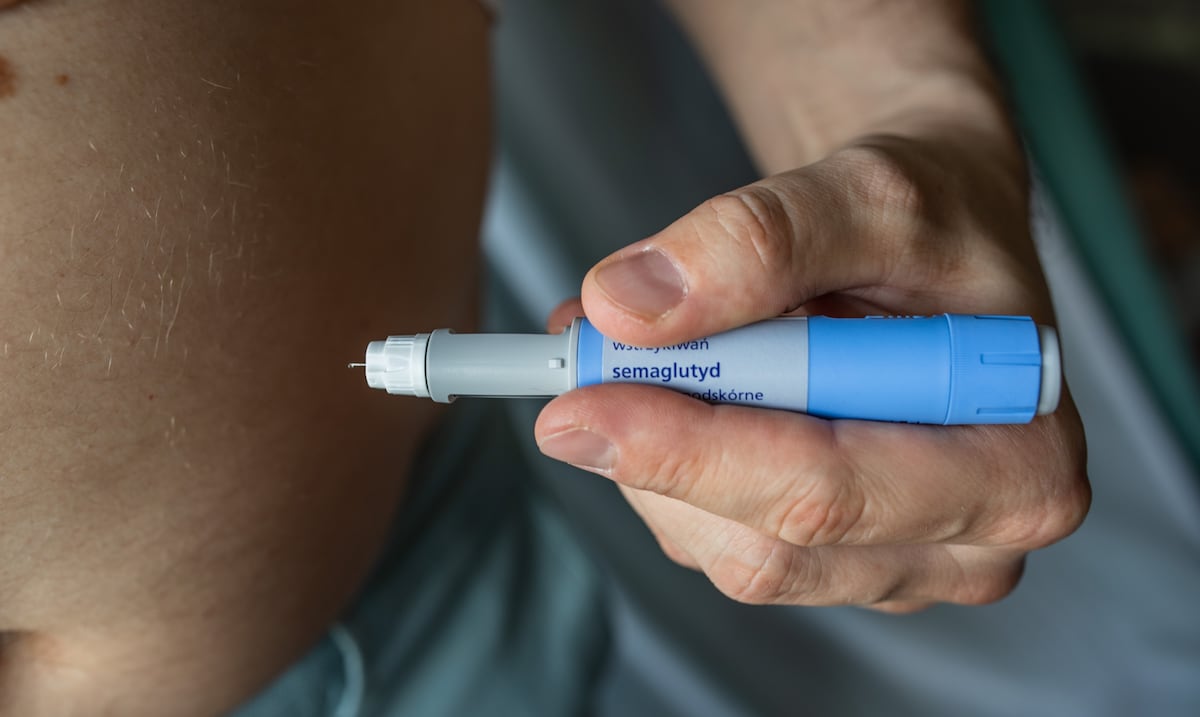
The U.S. Food and Drug Administration (FDA) announced on Monday, November 9, that all drugs in the GLP-1 class will carry a new label warning about a rare side effect, non-arteritic anterior ischemic optic neuropathy, known as NAION, which can sometimes cause permanent vision loss 12. The measure covers Ozempic, Wegovy, Zepbound and Mounjaro, among about a dozen injectable and oral products 13.
The core data comes from the agency's own analysis. After reviewing more than 125 clinical trials, FDA scientists found NAION in roughly 6 of every 100,000 patients who took a GLP-1 drug for at least a year. Among people given a placebo or other glucose-lowering drugs, the rate was under 4 per 100,000 123. The agency also found reports of the problem in its adverse event reporting system 1.
Why it matters in Puerto Rico: these drugs are prescribed for type 2 diabetes and weight management, and many patients on the island take them daily. This is not a call to stop treatment on your own, but to know the warning signs and talk to whoever prescribes them.
Background
The FDA opened its review after a 2024 medical article linked the condition to some patients taking semaglutide, the active ingredient in Ozempic 12. Since then the agency has evaluated clinical trial data and the reports it receives from patients and professionals. According to the FDA, NAION occurs when blood flow to the optic nerve drops, and the underlying cause is still not fully understood 13. The agency said the problem has been reported with all GLP-1 medications, not just one 3.
The numbers
- Date of the announcement: Monday, November 9, 2026 1.
- Drugs covered: the whole GLP-1 class, about a dozen injectable or oral products, including Ozempic, Wegovy, Zepbound and Mounjaro 13.
- Clinical trials reviewed: more than 125 123.
- Incidence with GLP-1 drugs used at least a year: about 6 per 100,000 patients 123.
- Incidence with placebo or other glucose drugs: under 4 per 100,000 123.
- Symptoms: blurred vision, blind spots, distorted color perception and other visual changes 12.
The numbers put the risk in perspective. This is an uncommon condition, but the gap between 6 and fewer than 4 per 100,000 was enough for the agency to order the label change. And because the vision loss can be considerable and in some cases permanent, the FDA asks anyone who notices symptoms to contact a health professional right away 23.
What it means for you
If you use Ozempic, Wegovy, Zepbound, Mounjaro or another GLP-1, the first rule is not to stop the medication on your own. Quitting abruptly can unbalance your blood sugar if you take it for diabetes. What you should do is watch for any change in your eyesight, such as blurred vision, spots or blind spots, or colors that look different 12. If something like that appears, the FDA's instruction is to contact a health professional immediately 23.
If you have a history of eye problems, it is worth telling your doctor before your next prescription. The FDA announcement as reported does not detail which patients are at higher risk, so an individual conversation with your doctor is the right step.
How to / Checklist
- Check which drug you take. Look at the box or the prescription: Ozempic, Wegovy, Zepbound and Mounjaro are all included in the warning 13.
- Do not stop without consulting. Any change of dose or treatment is discussed with the doctor who prescribed it.
- Write down the visual symptoms to watch for: blurred vision, blind spots, color distortion or other changes 12.
- If you notice any, call your doctor or a health professional right away, as the FDA advises 23. If you cannot reach anyone, go to an emergency room.
- At your next visit, ask for an eye exam if you have a history of eye problems, and tell your doctor every medication you use.
- Ask your pharmacist whether updated label information has arrived. The change was announced on November 9 and manufacturers will need to incorporate it into the inserts 1.
- If you suffer an adverse effect, you can report it to MedWatch, the FDA's reporting system, at fda.gov/medwatch.
What's next
The FDA said it will add the warning to the labels of the entire class 12. The published reports do not specify when the updated labels will reach pharmacies, so ask at your pharmacy and your doctor's office. It also has not been explained why NAION occurs, and the agency acknowledges that the cause is still not fully understood 3. Watch for any further guidance from the FDA or medical organizations on who should be monitored more closely.
Sources
CoquiList summary and local context. Read the linked sources for the original reporting.
Ask about this story
Ask anything about this article — in English or Spanish.
Log in to ask about this story.
Comments (0)
Log in to join the conversation.
No comments yet — be the first.